Description
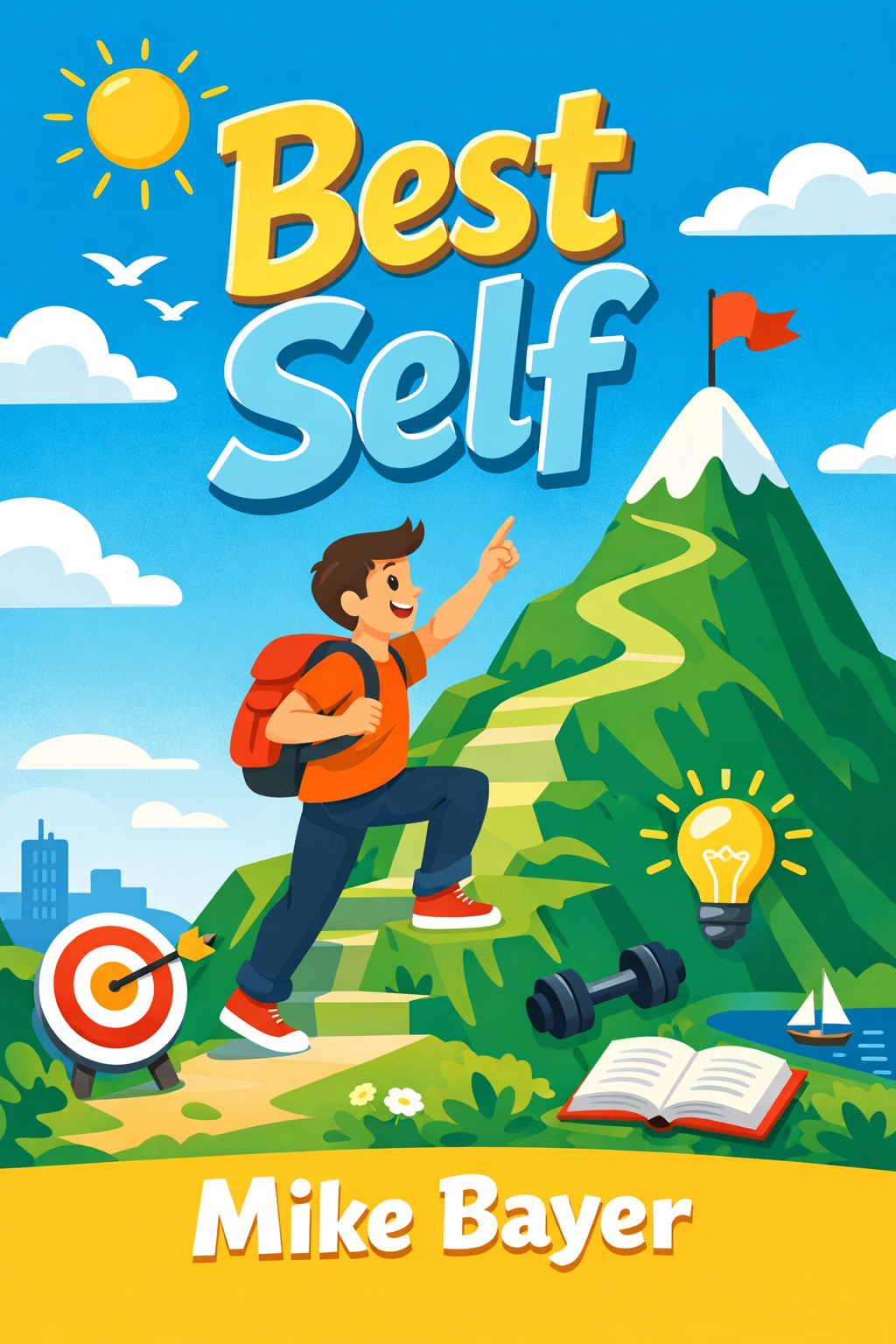
Many of us move through life with a nagging sense that we are not living up to our full potential. We feel stuck in patterns that don’t serve us, held back by fears, and disconnected from our true selves. The central idea of this guide is that we all operate from two core identities: a Best Self and an Anti-Self. Your Best Self is the authentic, positive version of you that acts with intention, kindness, and courage. Your Anti-Self is the reactive, fear-driven persona that emerges under stress, leading to choices you later regret. The path to a better life isn’t about becoming a completely new person, but about learning to recognize which self is in the driver’s seat and consciously choosing to empower your Best Self.
The journey begins with a clear definition of who your Best Self truly is. This requires moving beyond vague aspirations and creating a tangible, almost character-like representation of your highest qualities. Start by listing the positive traits you value but don’t always express—such as being patient, creative, or resilient. Then, give this collection of attributes a name and a visual form. It could be an animal, a mythical figure, or a simple symbol. Sketch it and place this representation where you can see it daily. This act makes your aspirational self feel real and provides a constant, gentle reminder of the person you are choosing to become. Conversely, you must also identify your Anti-Self. This is the exaggerated caricature of your worst impulses. Think of moments you “lost it”—times of jealousy, irrational anger, or paralyzing self-doubt. Name this character, draw it in a ridiculous way, and list the triggers that bring it to life. By personifying these two forces, you externalize the internal battle, making it easier to spot when your Anti-Self is taking over and consciously invite your Best Self back into control.
A primary fuel for your Anti-Self is fear, which often masquerades as a protective friend but is ultimately a liar that distorts reality and limits your life. To dismantle fear, you must drag it into the light. Write down the specific fears that have held you back from making important changes. Then, subject them to rational scrutiny by creating a simple three-column plan: name the fear, identify what it is stopping you from doing, and outline a practical step to prevent that feared outcome. For instance, if fear of financial instability stops you from changing careers, your plan might be to save a specific buffer fund before making the leap. Another powerful tool is visualization. When anxiety strikes, mentally gather all your swirling fears, compress them into a small box, and imagine hurling them into a vast canyon. This symbolic act can create real psychological distance, allowing your logical, Best Self mind to re-engage.
While this work is deeply internal, human beings are inherently social creatures, and our well-being is inextricably linked to the quality of our connections. Meaningful social interaction is not just enjoyable; it is cognitively enriching and emotionally vital. To nurture this, you must actively build time for connection into your life, both with existing loved ones and by seeking new relationships. For those who find socializing challenging, practical strategies can help. Prepare a few conversation starters based on recent experiences or learnings to ease initial awkwardness. Practice active listening by paying close attention to details and asking thoughtful questions. Remember that your body language communicates more than your words, so maintain open posture and eye contact to signal engagement and presence.
A crucial, often misunderstood, element of being your Best Self for others is the necessity of radical self-care. You cannot pour from an empty cup. Caring for yourself is not an act of selfishness but the fundamental maintenance required to be a supportive partner, parent, friend, or colleague. This involves developing daily practices to manage stress and maintain balance. Simple techniques like mindful breathing—taking three or four deep, intentional breaths when feeling overwhelmed—can instantly calm your nervous system. Regular physical exercise, even just a daily 30-minute walk, is a proven method for clearing mental clutter and boosting resilience. By establishing these non-negotiable habits, you ensure you have the energy, patience, and clarity needed to show up meaningfully for the people who matter to you.
Ultimately, applying these principles transforms your most intimate relationships. It dispels common myths, such as the idea that love means never having conflicts or that your partner should intuitively know your needs. Your Best Self approaches relationships with honesty and clear communication, expressing needs directly and listening without defensiveness. It understands that helping others sometimes means setting healthy boundaries. This journey of becoming your Best Self is ongoing, a daily practice of awareness and choice. It is about forgiving yourself when your Anti-Self wins a round, celebrating when your Best Self shines through, and continually recommitting to the vision of the authentic, empowered, and connected person you are capable of being. The power to build that life resides entirely in the choices you make each moment.