Description
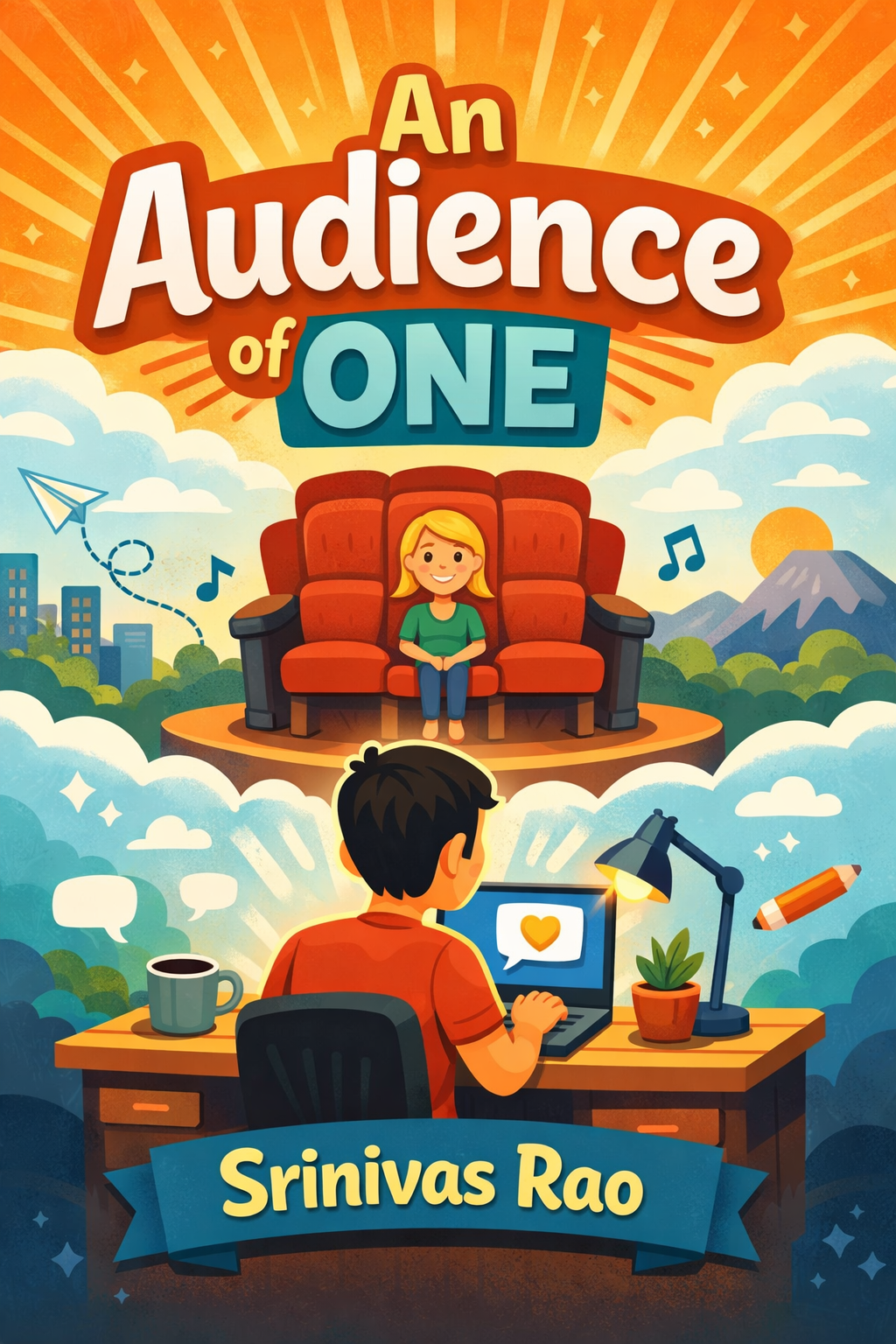
At its heart, “An Audience of One” presents a liberating and counterintuitive argument: the path to a deeply satisfying creative life is to ignore the audience altogether. The book challenges the pervasive pressure to monetize, popularize, and seek validation for creative work. Instead, it posits that the greatest reward lies in the process of creation itself—in turning a personal vision into reality. When you create primarily to please others, you hand over control of your happiness to external forces you cannot command, such as critical reviews, sales figures, or fleeting fame. This pursuit of extrinsic rewards is a recipe for dissatisfaction and often leads to work that feels compromised and inauthentic. The real joy, the book insists, is found in the act of making something for its own sake, for the sole audience member who truly matters: you.
This philosophy dismantles the dangerous myth of “making it.” The idea that there is a finish line where one can finally relax, validated and successful, is an illusion. In today’s fast-paced world, attention is fickle. By focusing on the end goal of recognition, you miss the enduring value of the creative journey. When you shift your focus to creating for yourself, you grant yourself the freedom to experiment, to fail, and to grow without fear of judgment. This space is essential for developing a strong, unique creative voice. Paradoxically, it is this very authenticity—work born of genuine personal expression rather than calculated appeal—that often resonates most powerfully and attracts a devoted audience. The book uses examples like David Bowie and Daft Punk, artists who prioritized artistic integrity and personal exploration over fame, to illustrate how creating for an “audience of one” can lead to work that is both personally fulfilling and broadly influential.
To cultivate this practice, the book guides you through the essential art of listening. The first and most crucial form is listening to yourself. This begins with trusting your own instincts and values. What angers you? What brings you joy? What unique experience do you want to convey? Answering these questions helps solidify your creative foundation. Furthermore, you must learn to be fully present, setting aside anxieties about the future or harsh self-criticism that can stifle the creative flow. Cultivating solitude is key here—creating deliberate space for uninterrupted thought, whether through meditation, quiet walks, or simply sitting with your ideas, allows your inner voice to emerge clearly and confidently.
Listening also extends to your physical body, an often-overlooked partner in creativity. A healthy mind requires a healthy body. Prioritizing sleep is not unproductive; it is essential, as dreams can be a wellspring of inspiration. Nutrition matters; fueling your brain with wholesome foods supports cognitive function and sustained energy. Regular exercise is another powerful tool, not only boosting overall brain health and creating new neurons but also providing another form of moving meditation where ideas can surface and connect. By tuning into your body’s needs and rhythms, you build a resilient foundation for your creative work.
The next layer of listening involves your environment. Your physical workspace is not a neutral container but an active participant in your creative process. The sights, sounds, and even smells around you can either drain or nourish your focus. A cluttered, chaotic, or uninspiring space can subconsciously weigh on you. The book advocates for taking critical control of this environment. This means designing a space that feels conducive to your work, whether through organization, personal artifacts that inspire you, or controlling auditory distractions. The goal is to shape an external world that supports and reflects the internal clarity you are seeking, making it easier to enter a state of deep, productive flow.
Finally, to sustain this creative life, you must actively prune distractions and toxic influences from your daily routine. This means setting boundaries with technology, such as turning off non-essential notifications and carving out phone-free periods. It also involves assessing the people and inputs you allow into your life. Energy-draining relationships or a constant diet of negative media can cloud your mind and stifle your voice. Replacing these with supportive communities and uplifting content creates a fertile ecosystem for your creativity to thrive. By combining this mindful curation of your external world with the deep internal listening of trusting yourself, being present, and caring for your body, you build a sustainable practice. The result is a creative life driven not by the noise of the world, but by the authentic signal of your own unique voice.