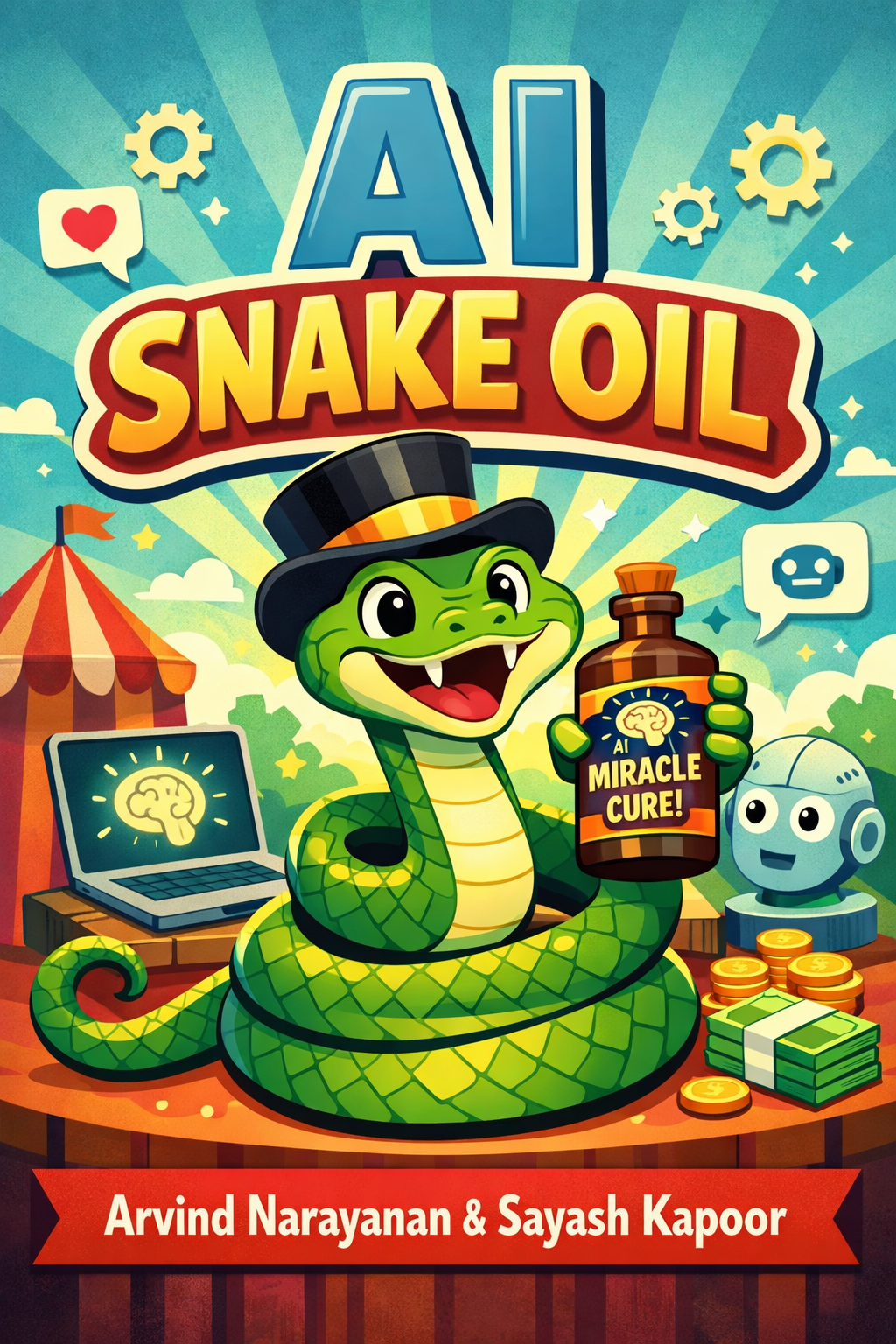
Description
Artificial intelligence is often presented as a revolutionary force destined to transform every aspect of our lives. Yet, beneath the glossy promises lies a more complex and often problematic reality. This book serves as a necessary corrective, peeling back the layers of exaggeration to scrutinize what AI can and cannot do. It argues that a clear-eyed understanding of the technology’s limitations is just as crucial as appreciating its potential, urging us to move beyond blind faith and toward responsible implementation.
The journey begins with generative AI, the branch that creates text, images, and video. While tools like chatbots and image generators capture public imagination, their inner workings reveal significant concerns. These systems are built on vast datasets often scraped from the internet without the consent or compensation of the original creators, raising profound questions about creative ownership and copyright. Furthermore, their output, though convincingly fluent, is fundamentally a statistical prediction of the next word or pixel, not an act of understanding. This leads to a propensity for generating plausible falsehoods, making them unreliable for factual tasks. The book also highlights the hidden human labor behind these seemingly autonomous systems, from low-wage data labelers to the artists whose work is used without permission, reminding us that AI is not a magic box but a product of specific, and often exploitative, human choices.
Next, the focus shifts to predictive AI, the modern-day oracle that claims to forecast future events from job performance to health outcomes. The allure of certainty is powerful, but the reality is fraught. Predictive models are inherently backward-looking, trained on historical data that often encodes societal biases. When deployed, they risk automating and amplifying existing inequalities, particularly against vulnerable groups. A critical flaw is their frequent failure to account for how their own predictions change the environment they are trying to forecast, a problem known as Goodhart’s Law where a measure becomes a target and ceases to be a good measure. This makes them easy to game, as seen when job applicants tailor resumes to please an algorithm rather than showcase genuine skills. The book cautions against automation bias—the dangerous over-reliance on these systems—and argues that in many domains, accepting inherent uncertainty leads to better decisions than trusting flawed predictions.
The analysis then turns to the digital gatekeepers: content moderation AI. On social media platforms flooded with millions of daily posts, AI appears to be the only scalable solution for enforcing community standards. However, its application is a blunt instrument. These systems notoriously lack nuance and cultural competence, struggling to interpret context, satire, or reclaimed language. They can over-censor legitimate speech, a phenomenon called collateral censorship, as platforms err on the side of removal to avoid legal risk. Meanwhile, they constantly chase evolving online slang and tactics, requiring relentless and expensive retraining. The book emphasizes that content policy is ultimately a human and political endeavor, involving deep debates about free speech and safety. Delegating these complex judgments to algorithms, which cannot grasp the subtleties of human communication, leads to inconsistent and often unfair outcomes.
The path forward outlined is not one of rejection, but of rigorous and ethical integration. It calls for a shift in mindset from seeing AI as an autonomous problem-solver to treating it as a tool that requires careful governance. This involves demanding transparency in training data and algorithms, implementing strong protections for creators and workers in the AI supply chain, and designing systems with human oversight built-in, not as an afterthought. Ultimately, the goal should be to create AI that complements human intelligence and judgment, not one that seeks to replace it. By confronting the myths and demanding accountability, we can steer these powerful technologies toward truly serving the public good, ensuring they augment our humanity rather than undermine it.