Description
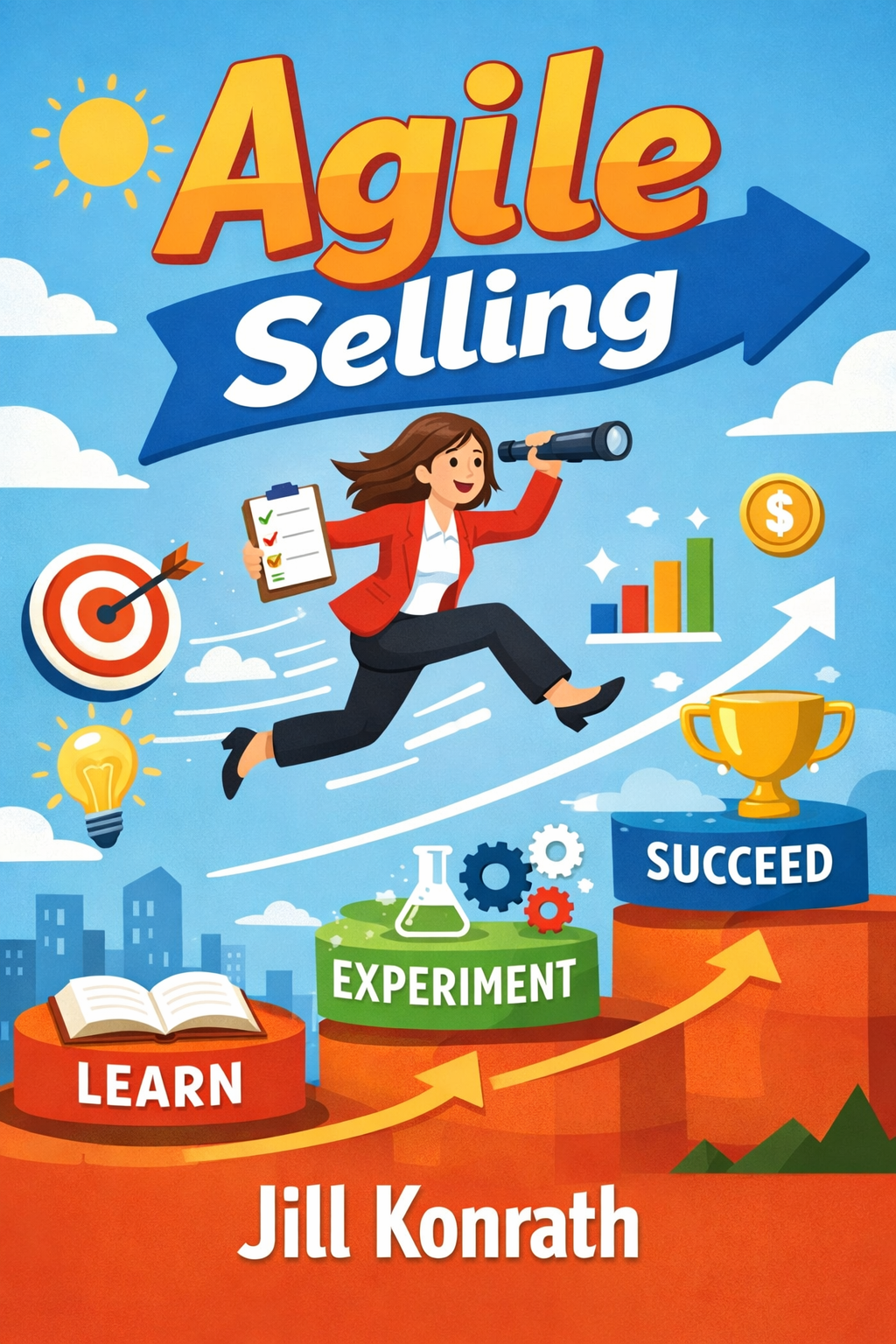
In today’s rapidly shifting business landscape, the traditional, rigid sales playbook is a recipe for obsolescence. The core philosophy presented is that success is no longer about mastering a single, perfect pitch and sticking to it indefinitely. Instead, it hinges on a salesperson’s capacity for agility—the ability to learn, unlearn, and relearn at the speed of the market. This approach transforms selling from a static skill into a dynamic, continuous process of adaptation, where the most valuable asset a professional possesses is a growth mindset geared toward constant improvement.
The journey begins with a fundamental dismantling of the fixed mindset. Many seasoned professionals falter because they cling to what worked yesterday, viewing new methodologies, technologies, or customer behaviors as threats to their hard-earned expertise. The first step is to embrace the role of a perpetual beginner. This means cultivating curiosity, actively seeking feedback without defensiveness, and viewing every customer interaction, successful or not, as a data point for learning. It involves setting aside ego to experiment with new scripts, tools, and channels, understanding that failure in a small experiment is far less costly than the failure of irrelevance.
With this mindset established, the focus turns to the mechanics of rapid skill acquisition. The modern sales environment is a barrage of information: new software platforms, evolving social media algorithms, fresh market research, and changing competitive tactics. The key is not to try to absorb everything at once, which leads to overwhelm, but to adopt a strategy of “just-in-time” learning. This involves identifying the one skill or piece of knowledge that would most impact your immediate performance—perhaps understanding a new feature before a big demo or learning the basics of a prospect’s industry—and dedicating focused, short bursts of effort to master it. The goal is to build a personal “toolkit” that is ever-evolving, where old tools are discarded without sentimentality when better ones emerge.
This agility must then be applied to the sales process itself. Rigid, linear pipelines are often ineffective because they don’t account for the unique journey of each modern buyer, who conducts vast independent research before ever speaking to a salesperson. The adaptive salesperson learns to map their process to the buyer’s journey, not the other way around. This requires keen listening and diagnostic skills to quickly ascertain where a prospect is in their own decision-making cycle and what they need next. It might mean providing educational content instead of a price quote, connecting them with a customer story instead of a feature list, or pausing the pursuit entirely if the timing isn’t right. Flexibility becomes the defining characteristic of the process.
Central to this adaptive approach is the concept of micro-innovation. Instead of waiting for annual sales kick-offs to launch a new strategy, successful salespeople become scientists of their own craft. They run small, controlled experiments daily or weekly. This could be testing a new subject line in email outreach, trying a different opening question on discovery calls, or sharing a novel piece of content on LinkedIn. The critical follow-up is measurement and analysis. By tracking what moves the needle on key metrics—reply rates, meeting bookings, conversion—they build a personal body of evidence for what works in their specific market, creating a competitive advantage that is uniquely theirs and constantly refined.
None of this is possible without resilience. An agile path is inherently uneven, filled with small setbacks, rejected experiments, and the discomfort of frequent change. Building emotional and professional resilience is therefore not a soft skill but a core competency. Techniques for managing rejection, maintaining motivation outside of traditional quota-carrot structures, and practicing self-compassion are essential. This resilience fuels the persistence needed to continue learning and adapting when results aren’t immediate, creating a virtuous cycle where adaptability reduces fear of change, which in turn fosters greater agility.
Ultimately, this book makes the case that the future of sales belongs not to the most persuasive talker, but to the most resourceful learner. It provides a framework for building a career that is antifragile—one that gains from volatility, uncertainty, and change. By adopting the principles of agile selling, professionals stop being victims of market shifts and start becoming their architects, capable of navigating complexity with confidence and turning the relentless pace of change into their greatest professional advantage.