Description
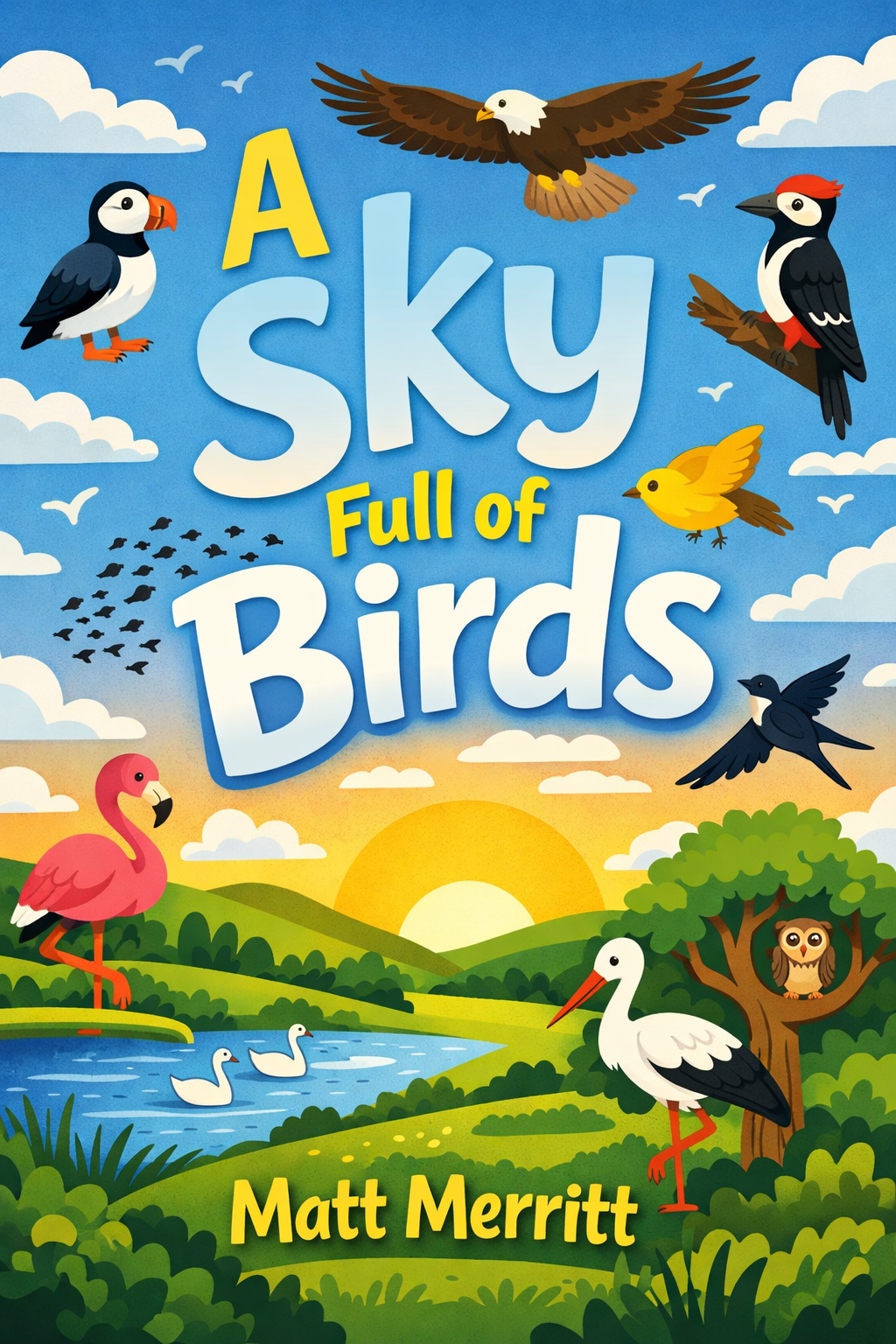
A Sky Full of Birds invites you to look up and appreciate the remarkable avian world that thrives across Britain. This journey begins with the intricate and often dramatic performances birds stage in the name of love. Beyond simple song, the courtship rituals of British birds are astonishingly varied. The great-crested grebe engages in an elegant, synchronized water ballet with its potential mate, a delicate dance of precision and grace. In the Scottish pine forests, the rare capercaillie, a bird resembling a handsome turkey, relies on a bold display of strutting in forest clearings known as leks. Here, too, the black grouse gathers, where males engage in pacing, peculiar bubbling calls, and even physical combat, all under the watchful eyes of evaluating females, showcasing a raw and competitive side to avian romance.
As night turns to day, Britain is treated to one of the planet’s most magnificent natural symphonies: the dawn chorus. This daily event evolves with the seasons, starting with a solitary voice in winter and swelling into a rich, multi-species crescendo by spring. To appreciate this complexity, one must learn to distinguish between the short, functional calls that signal alarm or food, and the more elaborate songs that declare territory and identity. The blackbird offers a fluid, melodious tune, a classic refrain of the hedgerow. In contrast, the song thrush acts as a jazz improviser, repeating loud, inventive phrases and constantly adding new snippets learned from other birds. The master collagist, however, is the marsh warbler, a summer visitor that weaves together phrases from dozens of other species into a single, ever-changing composition during its breeding season.
The cast of this aerial theatre changes dramatically with the seasons, thanks to the ancient rhythm of migration. Britain’s location and relatively mild climate, tempered by the Gulf Stream, make it a crucial destination for countless birds. Some, like the swallow, are classic summer visitors, arriving from Africa to raise their young. Others, like various ducks and geese, seek out British wetlands as a hospitable winter refuge from the Arctic freeze. The concept of migration is itself fluid; many birds are “partial migrants,” where only some individuals from a population journey south. The common blackbird exemplifies this, with some leaving chilly eastern Britain for the southwest, while their places are taken by blackbirds from even colder Scandinavia, for whom Britain is a welcome respite. The black-tailed godwit demonstrates further complexity, with different populations breeding in Iceland, wintering in Iberia, and using Britain as both a breeding ground and a vital pit-stop, some even commuting daily across the country in search of food.
Among Britain’s birds, the raptors command a unique blend of awe and historical controversy. These masters of the hunt, from the wind-hovering kestrel with its ultraviolet vision to the peregrine falcon—the fastest creature on Earth—have long inspired human fascination. Yet, they have also faced severe persecution from gamekeepers and farmers over perceived threats to livestock and game, threats often greatly exaggerated. The peregrine’s plight was particularly acute during the Second World War, when they were culled for preying on carrier pigeons used for wartime communication. Their remarkable recovery in recent decades is a conservation success story, with these formidable birds now adapting to nest on urban skyscrapers and cathedral spires, bringing a touch of wild majesty to city skylines.
No spectacle captures the mysterious beauty of flocking birds quite like the starling murmuration. These vast, swirling clouds of thousands of birds, gathering before roost, create living, shifting sculptures in the sky—a sight that has stirred poets for centuries. The sheer scale and coordinated complexity of these aerial ballets, with each bird mirroring the movements of its nearest neighbors to avoid collision, is breathtaking. Ironically, the ultimate purpose of this dazzling, energy-intensive display remains one of ornithology’s charming puzzles, as it seems to contradict the usual stealthy logic of avoiding predators.
If starlings are linked to poetry, the corvid family—encompassing ravens, crows, and jackdaws—is steeped in myth and folklore, often bearing sinister labels like a “murder” of crows. This association with omens and darkness, however, overshadows their proven and extraordinary intelligence. Scientific studies have revealed corvids as adept problem-solvers, capable of using tools, planning for the future, and recognizing individual human faces. Their complex social structures and cunning adaptability challenge our superstitions, presenting them not as harbingers of doom but as some of the most clever and resourceful birds in the skies.
Finally, birds are deeply woven into the fabric of British culture and legend. The mute swan, for instance, is cloaked in royal mythos, while the bright green ring-necked parakeets thriving in London’s parks are subjects of modern urban folklore, their origins often whimsically attributed to escapes from film sets. From the intricate dances of grebes to the intelligent gaze of the raven, A Sky Full of Birds reveals that the birds sharing our landscapes are not merely background creatures. They are performers, migrants, survivors, and thinkers, leading complex lives that intertwine with our own history and imagination, offering endless wonder right above our heads.