Description
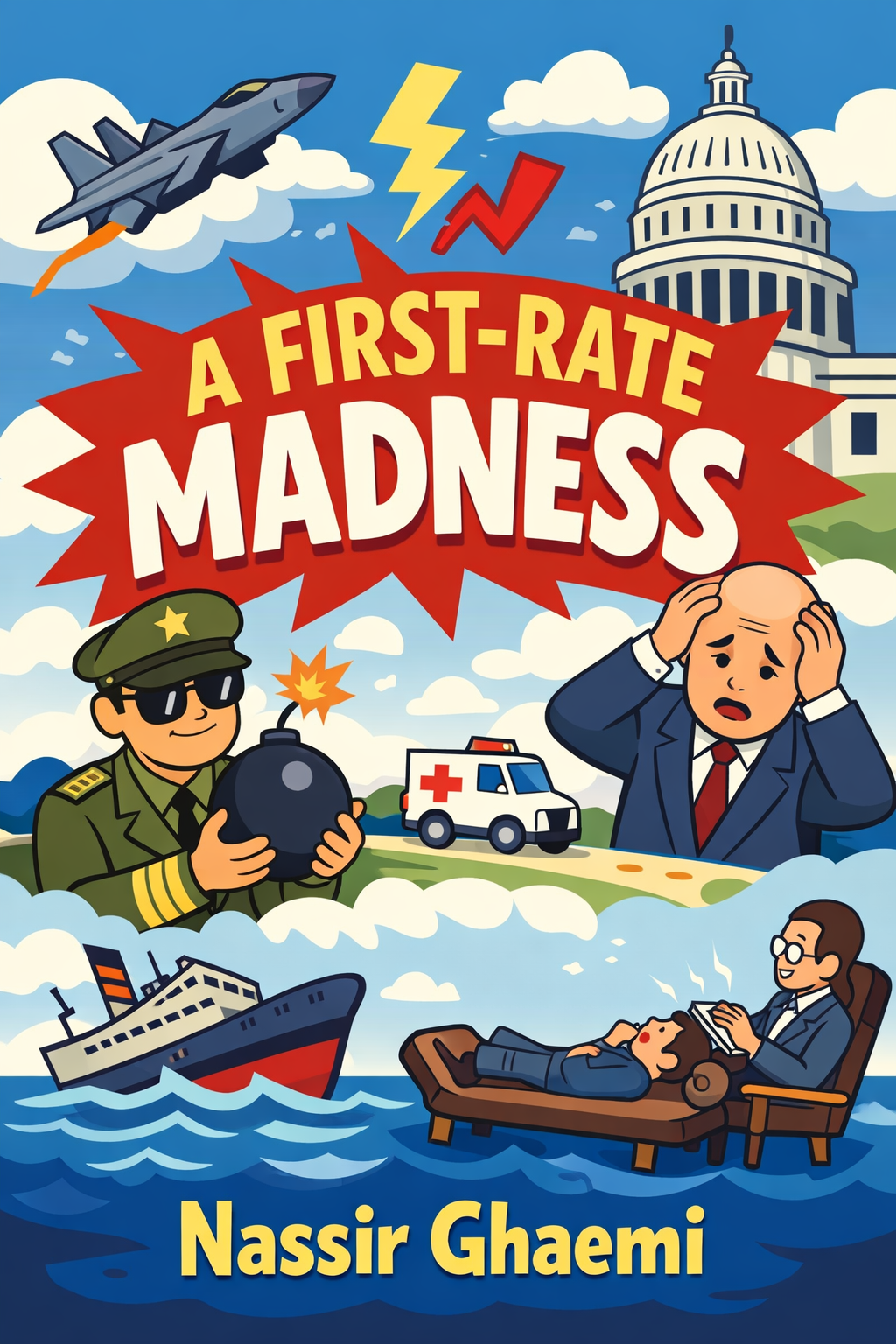
The common perception of mental illness is one of pure deficit, a flaw to be hidden or cured. Yet history reveals a provocative counter-narrative: some of the most transformative and effective leaders in modern times were shaped by psychological struggles. This exploration argues that conditions like depression and bipolar disorder can, under specific circumstances, cultivate precisely the traits needed for exceptional leadership during crises. By examining the lives of pivotal figures, we can challenge deep-seated stigmas and recognize that what society often dismisses as madness can sometimes be a first-rate asset.
The core idea is that certain psychiatric conditions foster abilities inaccessible to the neurotypical mind. Major depression, far beyond mere sadness, often breeds a profound empathy and a realistic, even pessimistic, understanding of human suffering. Those who have traversed its depths gain an intimate knowledge of struggle that can translate into a deeper connection with the plight of others. Bipolar disorder and its milder cousin, hyperthymia—a persistent temperament of high energy and confidence—can fuel creativity, resilience, and the ability to see unconventional solutions. Conversely, the “mentally healthy” mind, often optimistic and rigid in its thinking, can falter in a crisis, clinging to flawed plans and unable to perceive grim realities or innovative paths forward.
This dynamic is powerfully illustrated in the lives of revolutionary peacemakers. Both Martin Luther King Jr. and Mahatma Gandhi, icons of hope, privately battled severe depression from a young age, with each making suicide attempts in their youth. Their political philosophy of radical, non-violent resistance can be seen as a form of applied empathy, a direct outgrowth of their psychological experience. Their intimate familiarity with profound inner pain allowed them to conceptualize a form of protest that demanded understanding rather than hatred for the opponent. They did not seek to vanquish but to convert, a strategy that required a depth of compassionate insight arguably forged in the crucible of their mental anguish.
In times of existential threat, the realistic pessimism of depression and the creative daring of hyperthymia become critical. Winston Churchill, likely living with a form of bipolar disorder, stood virtually alone in the 1930s in recognizing the dire threat of Nazi Germany. While his politically “normal” colleagues embraced appeasement and optimistic denial, Churchill’s depressive realism allowed him to see the horrifying truth and prepare for the coming storm. His manic energy then fueled the relentless leadership required during Britain’s darkest hour. Similarly, President John F. Kennedy, a man with a hyperthymic temperament, demonstrated extraordinary crisis leadership during the Cuban Missile Crisis. Surrounded by advisers urging military action, his ability to resist groupthink, tolerate uncertainty, and devise a creatively indirect solution—a naval blockade—averted nuclear war. His mental wiring provided the flexibility and risk tolerance that cooler, more conventional minds lacked.
However, the relationship between mental illness and leadership is not a straightforward blessing. The same forces can lead to catastrophe when fused with toxic ideology and a lack of constraint. Adolf Hitler, who also exhibited symptoms of bipolar disorder, channeled the energy and grandiosity of mania into a demagogic, murderous vision. His psychological state was further poisoned by heavy methamphetamine use, which amplified his paranoia, rage, and detachment from reality. This serves as a crucial reminder that while certain conditions can enhance leadership capacities, they are morally neutral; the outcome depends profoundly on the character and ideas of the individual.
The limitations of so-called “normal” mental health in leadership are starkly revealed in the comparative cases of Prime Minister Tony Blair and President George W. Bush. Following the 9/11 attacks, both leaders reacted with the predictable, linear thinking of the mentally healthy mind faced with a threat: a desire for decisive, retaliatory action. Convinced of a link between Saddam Hussein and the attacks, they marshaled dubious evidence to justify the invasion of Iraq. Crucially, they then exhibited the hallmark rigidity of normative cognition: an inability to pivot or admit error as the mission faltered and the intelligence proved false. A leader with a depressive realist’s skepticism might have questioned the flimsy evidence. A leader with a hyperthymic’s creative disinhibition might have conceived an alternative response. Bush and Blair’s sound minds, trapped in conventional thought patterns, led them into a strategic and moral quagmire.
Ultimately, this perspective invites a profound cultural shift. Recognizing the potential strengths woven into neurodiversity is a vital step in dismantling the stigma surrounding mental illness. It suggests that in selecting leaders, especially for times of crisis, we should not instinctively favor the seemingly stable and optimistic. The empathy of the depressive, the creativity of the hyperthymic, and the realism of both may be the very qualities that guide us through darkness. By reframing these experiences not as disqualifications but as potential sources of insight and resilience, we can begin to appreciate the complex, and often paradoxical, ingredients of truly great leadership.