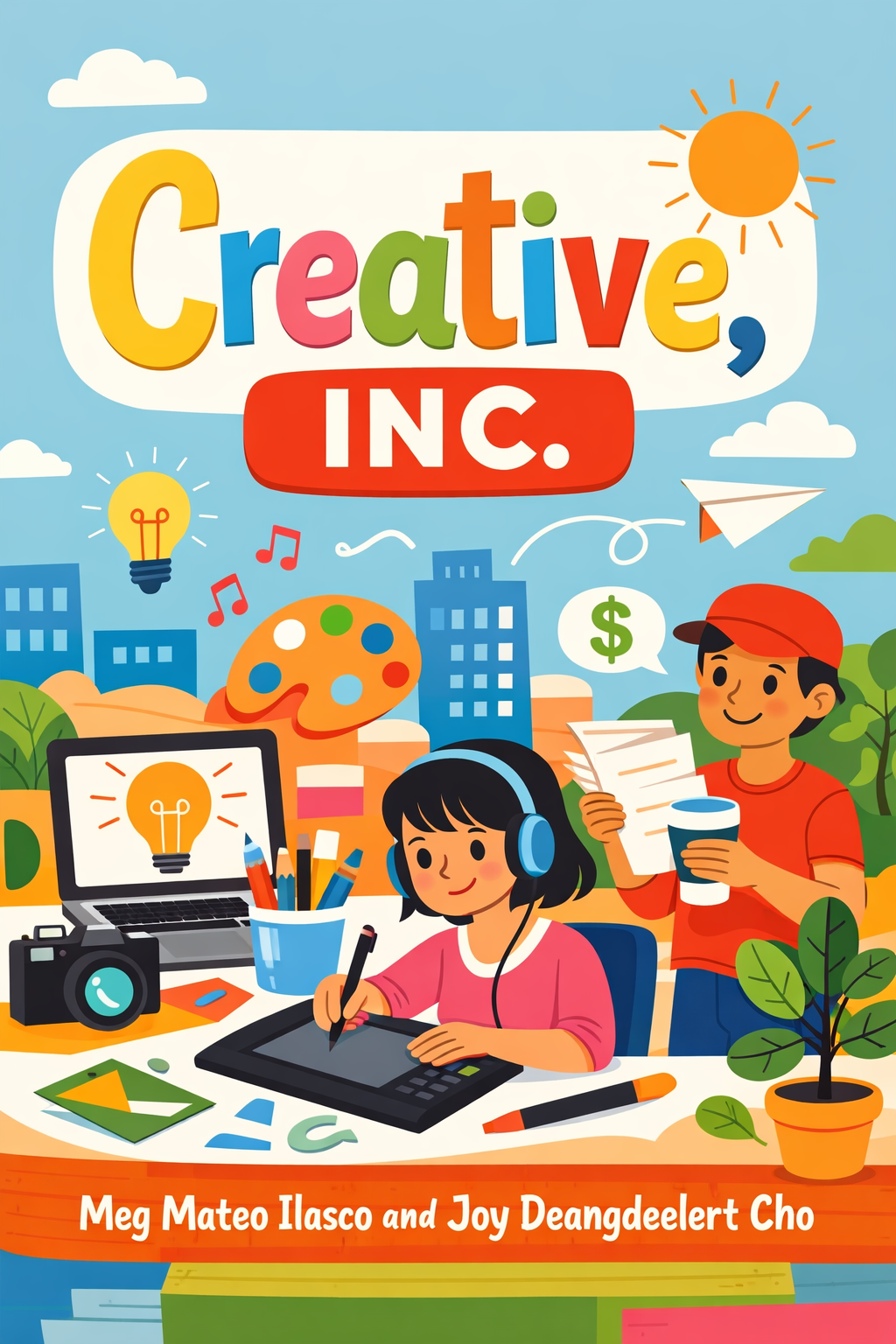
Description
The journey from a passionate creative to a successful business owner is filled with unique challenges, requiring a blend of artistic vision and entrepreneurial grit. This book serves as an essential roadmap for illustrators, designers, writers, and other independent artists who want to transform their talent into a viable and fulfilling career. It moves beyond simple inspiration to deliver actionable strategies, addressing the fundamental business realities that often get overlooked in the pursuit of creative work. The core philosophy is that creativity and commerce are not opposing forces; when managed wisely, they can fuel and sustain each other, allowing you to make a living without sacrificing your artistic integrity.
A foundational step is moving from a scattered, project-to-project mindset to establishing a professional identity. This begins with defining what you do and, more importantly, who you do it for. Clarifying your unique style, your preferred types of projects, and your ideal clients creates a magnetic focus. It’s about moving from saying “yes” to every opportunity out of fear, to strategically saying “yes” to the right opportunities that align with your goals and “no” to those that drain your energy and dilute your brand. This professional framing extends to every touchpoint, from a polished portfolio that tells a cohesive story to a streamlined process for client interactions that sets clear expectations from the outset.
Financial stability is the bedrock that allows creativity to flourish without the constant shadow of anxiety. The guide demystifies the business side, offering straightforward advice on setting rates that reflect your true value and expertise, not just your time. It advocates for moving away from an hourly wage mentality toward value-based pricing where possible. Creating simple systems for invoicing, tracking expenses, and saving for taxes transforms financial management from a dreaded chore into an empowering tool. Understanding your cash flow, planning for dry spells, and knowing your monthly nut—the income you need to cover basic expenses—provides the freedom to make thoughtful choices about the work you take on.
No creative business is an island, and the book emphasizes that building a supportive network is a professional necessity, not a luxury. This involves cultivating genuine relationships with fellow creatives, which can lead to collaborations, referrals, and invaluable peer support. Furthermore, it guides you in working effectively with representatives like agents, if that path is right for you, ensuring that partnership is beneficial and aligned. Perhaps most critically, it provides a blueprint for client relationships, teaching you how to attract good clients, communicate professionally, set boundaries, and handle difficult situations with grace and firmness.
Ultimately, the goal is sustainability—building a practice that doesn’t lead to burnout but to long-term growth and satisfaction. This requires mastering the art of balancing multiple projects, deadlines, and administrative tasks without letting the creative spark dim. It involves learning when to outsource tasks, how to manage your time and energy, and the importance of carving out space for personal projects that recharge your passion. The book reassures that the path of the creative entrepreneur is a marathon, not a sprint. By implementing these foundational business principles, you build a resilient structure around your talent, creating not just a job, but a thriving, self-determined career that fully supports the life you want to lead, both in and out of the studio.