Description
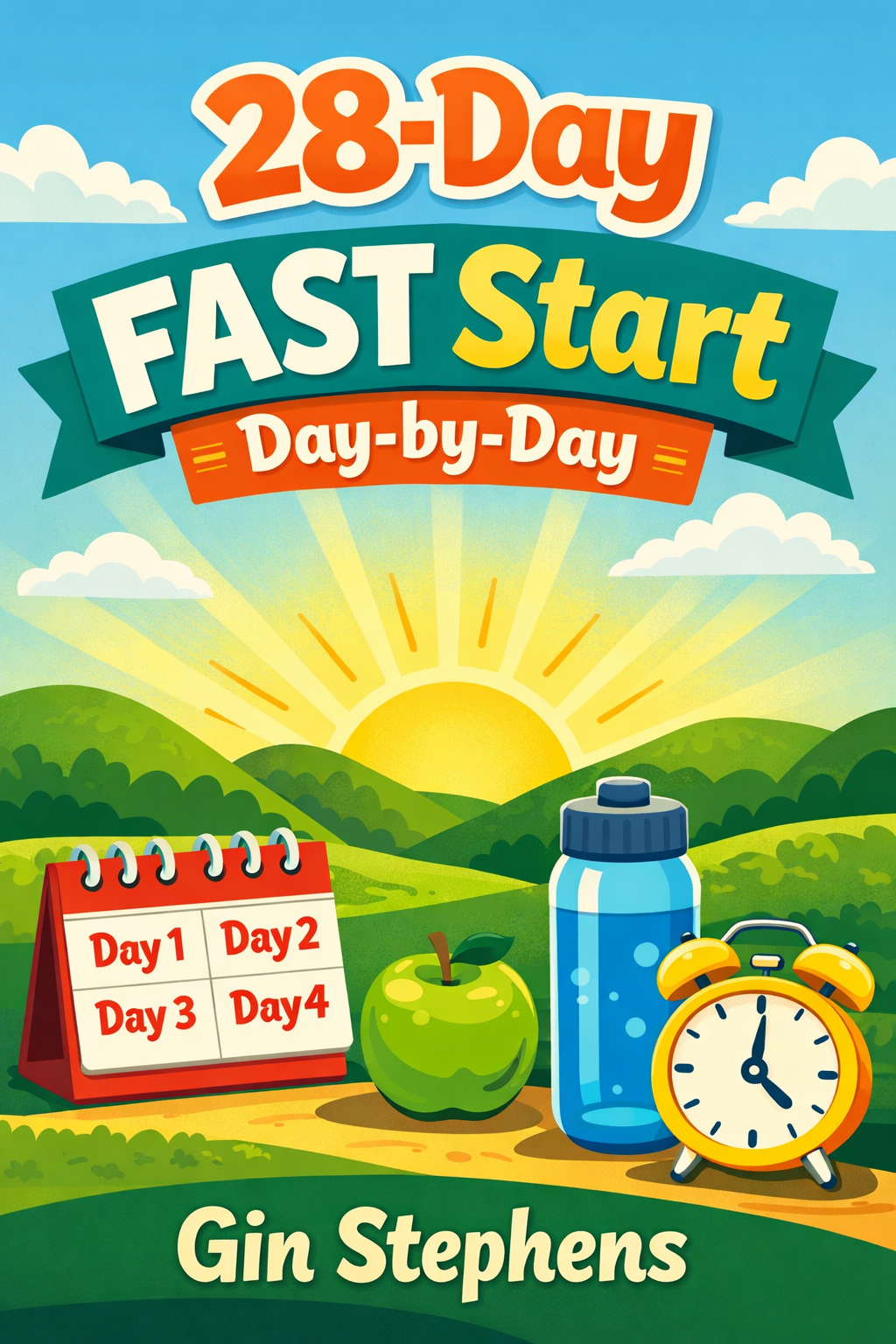
Embarking on a dietary transformation can feel overwhelming, but this book provides a clear, day-by-day roadmap to make the journey manageable and sustainable. It demystifies the practice of fasting, moving beyond trendy headlines to present it as a flexible tool for health, not a rigid punishment. The core philosophy is that fasting is less about deprivation and more about creating a new, conscious rhythm for eating that aligns with the body’s natural cycles. The 28-day framework is designed to systematically guide a beginner from curiosity to confidence, building knowledge and resilience step by step.
The first week acts as a gentle onboarding process, focusing on mental preparation and minor adjustments rather than drastic change. Readers are encouraged to examine their current eating patterns, understand their personal “why” for fasting, and begin shifting their diet toward whole, nutrient-dense foods. This foundation is critical; the book argues that jumping into fasting without addressing food quality first is like building a house on sand. Practical tasks include simple hydration goals, adjusting meal times by small increments, and starting a journal to track hunger cues, energy levels, and mood. This reflective practice helps to separate true physiological hunger from habitual or emotional eating.
As the program progresses into the second and third weeks, the structure introduces short fasting windows, such as the popular 16:8 method, where eating is condensed into an eight-hour period. Each day presents a specific focus: one day might delve into the science of insulin and fat-burning, another might offer a collection of simple, satiating recipes for breaking a fast, and another could provide strategies for managing social situations or caffeine cravings. The guidance is holistic, addressing common physical sensations like initial hunger pangs and offering gentle remedies, while also tackling the psychological hurdles such as boredom or the fear of missing out.
A standout feature is the book’s compassionate and flexible tone. It consistently emphasizes listening to one’s body, allowing for adjustments, and avoiding an all-or-nothing mindset. If a day goes off-plan, the next day’s entry is about resetting without guilt, reinforcing the message that this is a long-term practice, not a perfect 28-day sprint. The middle weeks also explore variations, suggesting how to experiment with slightly longer fasts or how to combine fasting with different types of physical activity for synergy, always stressing the importance of proper hydration and electrolyte balance.
The final week of the plan is dedicated to integration and looking ahead. By this stage, the reader has not just completed a challenge but has experienced the potential benefits firsthand—perhaps improved mental clarity, more stable energy, or a changed relationship with food. The book guides them in solidifying these new habits, creating a personalized, sustainable fasting protocol that can fit into their life beyond the 28 days. It discusses how to maintain results, what signs might indicate a need for a break, and how to cycle fasting with periods of regular eating for long-term health.
Ultimately, this guide serves as a supportive coach. It packages complex physiological concepts into digestible daily readings, pairs them with actionable tasks, and provides the motivational framework to navigate the inevitable challenges. The goal is not just to get through a month of fasting, but to equip the reader with the understanding and self-awareness to use intermittent fasting as a lifelong tool for well-being, empowering them to take control of their health in a simple, structured, and sustainable way.