Description
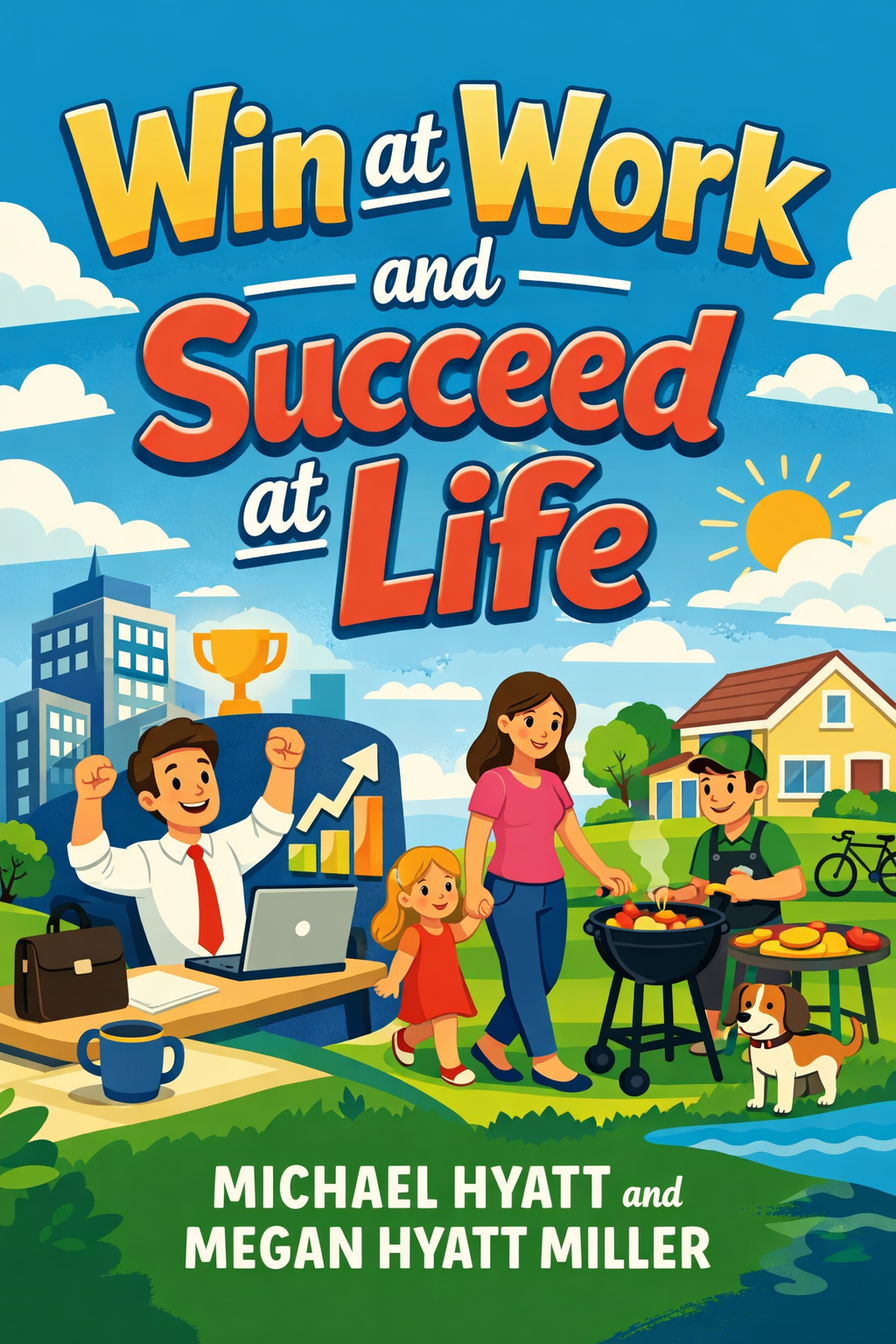
In a world that often demands we choose between professional ambition and personal well-being, this book presents a compelling argument that such a choice is a false dichotomy. The true path to a meaningful and satisfying existence lies not in compartmentalizing our lives into competing spheres, but in weaving them together into a cohesive and supportive whole. The central premise challenges the outdated notion of “work-life balance,” which suggests a constant, stressful teetering between two opposing forces. Instead, the author introduces the concept of “work-life integration,” a more fluid and sustainable approach where professional achievements and personal joys are not enemies, but allies in crafting a fulfilling narrative.
The journey begins with a fundamental shift in mindset. It requires moving away from seeing time as a finite pie to be sliced and divided, and towards understanding energy as the core currency of a successful life. The book delves into the science of personal energy management, explaining how our physical, emotional, mental, and spiritual reserves are depleted and renewed. Practical techniques are offered for auditing one’s energy drains and identifying activities that serve as catalysts for renewal. This is not about squeezing more tasks into a day, but about strategically aligning high-energy periods with high-impact work and ensuring deliberate recovery is built into the rhythm of life, much like an athlete trains and rests.
A significant portion of the text is dedicated to redefining success on one’s own terms. The author guides the reader through an exercise of core value identification, urging a move beyond societal benchmarks of promotions and paychecks. What truly matters? Is it autonomy, creativity, family connection, contribution to a community, or continuous learning? By clarifying these personal anchors, every professional decision and personal commitment can be evaluated through a new lens: does this move me closer to my authentic vision of success, or does it pull me away? This clarity becomes a powerful filter, reducing the noise of external expectations and enabling more confident, aligned choices.
With a clarified purpose, the book then provides a toolkit for designing a life structure that supports this integration. This involves setting boundaries not as rigid walls, but as informed gates—clearly communicating availability and unavailability to colleagues and loved ones alike. It explores the art of strategic prioritization, teaching how to distinguish between the urgent and the truly important, and how to delegate or decline tasks that do not serve one’s core objectives. Technology, often a source of fragmentation, is reframed as a potential tool for integration when used intentionally, with strategies for managing digital communication to prevent it from encroaching on sacred personal time.
The narrative powerfully addresses the inevitable conflicts and trade-offs. Perfection in all areas simultaneously is revealed as a myth. The practice of “conscious compromise” is introduced, where short-term sacrifices in one domain are made with full awareness and as a strategic choice to support a long-term goal in another. The importance of presence is emphasized—being fully engaged in the work at hand when working, and being truly available to family and self during personal time. This quality of attention, the author argues, is far more valuable than the mere quantity of hours logged.
Finally, the book looks outward, examining how leaders and organizations can foster cultures that enable integration for their teams. It argues that companies supporting holistic employee well-being are not being merely altruistic; they are investing in sustainable productivity, innovation, and loyalty. For individuals, building a supportive “life team”—a network of partners, family, friends, mentors, and even paid help—is presented as essential. Success is not a solo endeavor, and learning to rely on and support one’s circle is a critical component of thriving.
Ultimately, this work is a manifesto for a more humane and effective way of living. It asserts that winning at work and succeeding at life are not separate destinations on a map, but interconnected parts of the same journey. By integrating our ambitions with our values, managing our energy with intention, and designing a life with purpose, we can build a legacy of achievement that feels not like a burden, but like a genuine expression of who we are. The goal is to stop striving for a perfect balance and start creating a harmonious blend where professional growth and personal fulfillment fuel each other, leading to a richer, more resilient, and profoundly satisfying life.