Description
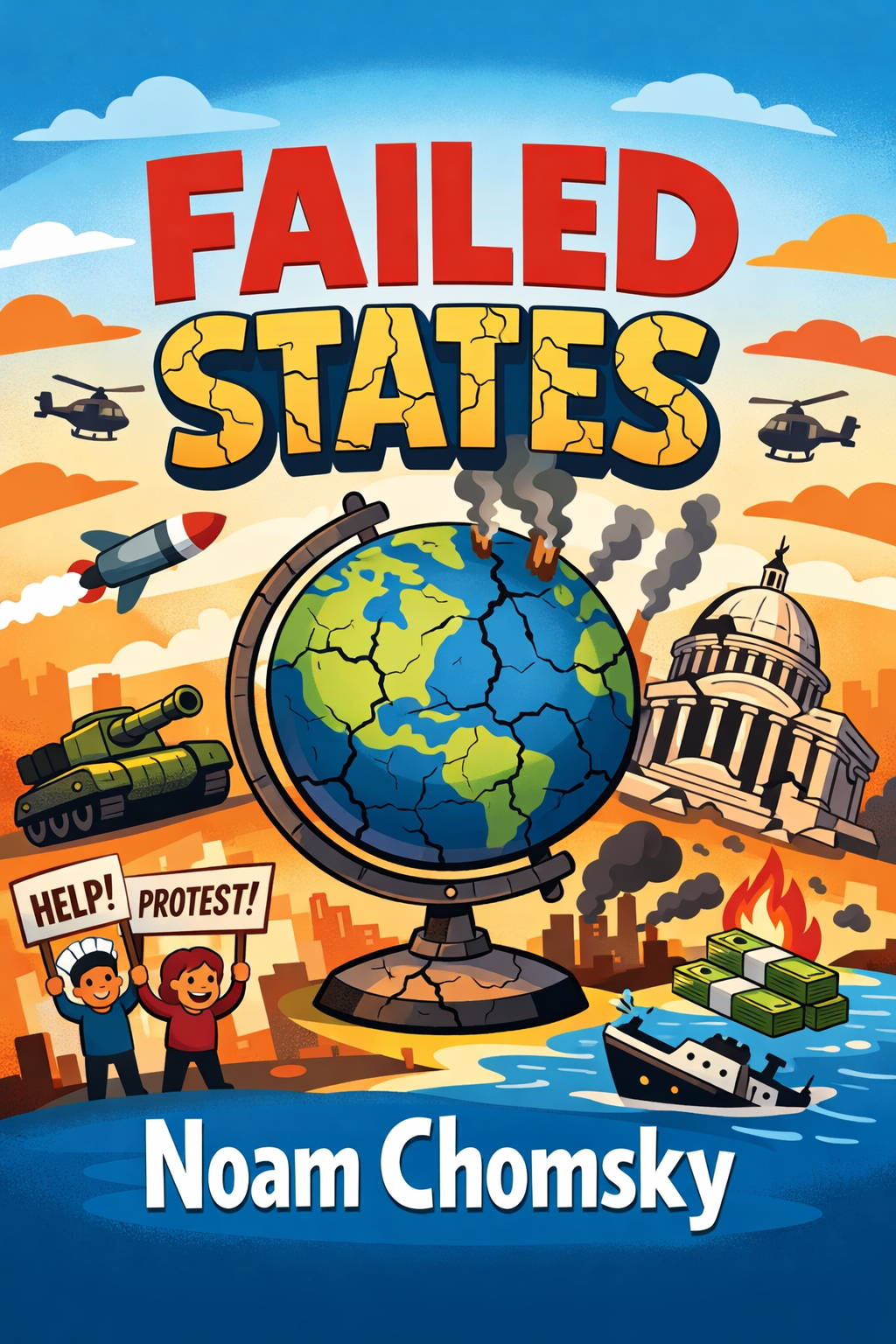
The common narrative portrays the United States as the world’s indispensable nation, a benevolent guardian of freedom and democracy. This book presents a starkly different reality, arguing that through its actions, the U.S. has frequently become an obstacle to global peace, justice, and stability. It systematically dismantles the myth of American exceptionalism, revealing a pattern of behavior where self-interest, economic gain, and a desire for dominance consistently override professed values. The analysis suggests that by ignoring international law, provoking conflicts, and undermining democratic processes abroad, the United States exhibits the very characteristics it claims to oppose, raising profound questions about its role on the world stage.
A cornerstone of this critique is the American approach to international law and institutions. The nation positions itself as uniquely exempt from the rules it expects others to follow. This is evident in its manipulation of United Nations mechanisms, where its permanent seat on the Security Council is used not just for influence but as a shield against accountability. The book highlights how definitions, even of grave concepts like torture, are contorted to permit actions condemned globally. This creates a dangerous double standard, where the pursuit of perceived enemies operates outside any consistent legal framework. The doctrine of “anticipatory self-defense” is exposed as a thinly veiled justification for offensive wars, a logic that, if universally applied, would legitimize chaos. Historical examples, such as covert operations in Cuba long before the 1962 missile crisis, illustrate that American actions themselves could be construed as acts of aggression warranting a defensive response from others.
This disregard for collective security is matched by a chilling negligence toward existential threats that require global cooperation. The book argues that on the two paramount dangers of our time—nuclear annihilation and climate catastrophe—U.S. policy is paralyzed by economic priorities. Rather than leading disarmament efforts, it perpetuates a nuclear status quo fraught with risk. Similarly, when confronted with urgent scientific consensus on climate change, American leadership has chosen delay and denial, prioritizing the profits of entrenched industries over the future of the planet. This suggests a governing calculus where immediate financial and strategic advantage trumps the long-term survival and wellbeing of humanity, a myopia that endangers everyone.
The case study of Cuba serves as a potent example of relentless hostility driven not by a genuine threat, but by a refusal to submit to American hegemony. For decades, an intense campaign of economic warfare and covert sabotage has been waged against the island nation, far disproportionate to any real danger it posed. The allocation of enforcement resources reveals the true priority: immense effort and funding are directed toward punishing Cuban transactions, while the financial networks of actual terrorist groups receive comparatively scant attention. This obsession demonstrates that the primary goal is enforcing political obedience, not combating genuine security threats. The suffering inflicted on the Cuban population is framed not as a byproduct, but as an intentional tactic to foment discontent, a stark contradiction to the rhetoric of promoting democracy and human rights.
Indeed, the promotion of democracy is revealed as a selectively applied doctrine, consistently overruled by economic and strategic interests. The U.S. celebrates democratic movements only when they align with its own goals. In practice, support is frequently extended to autocratic regimes that guarantee resource access or strategic alignment, from oil-rich monarchies to military juntas. The construction of major energy pipelines through repressive states, hailed as diplomatic achievements, lays bare this contradiction. Democracy becomes a convenient narrative to sell military interventions or destabilize unfriendly governments, rather than a consistent principle. This instrumental approach has fueled cynicism and resentment, undermining genuine democratic actors abroad who are tainted by association with an agenda perceived as hypocritical and self-serving.
Nowhere is this gap between rhetoric and reality more tragic than in the Middle East. The book contends that the U.S. desire for a stable region is conditional, secondary to ensuring American dominance and control over resources. This has led to a decades-long imbalance in the Israeli-Palestinian conflict, where overwhelming financial and military support for one side is paired with ineffective diplomacy, perpetuating occupation and injustice. The invasion of Iraq is presented as the ultimate embodiment of this failed approach: a war launched on fabricated premises, in violation of international law, which resulted in catastrophic loss of life, the birth of new terrorist movements, and regional destabilization. It stands as a monument to the consequences of unchecked power acting on flawed intelligence and ideological fervor.
Ultimately, the book makes the provocative case that these foreign policy failures are symptoms of a deeper domestic malady. By measuring a state’s health by its responsibility to its citizens and to the international community, it argues the United States suffers from a profound “democracy deficit.” When a government is captured by corporate power, unresponsive to public opinion on major issues like war and peace, and systematically violates the rights of both its own people and others, it begins to fail in its fundamental purpose. The projection of power abroad becomes a way to compensate for and distract from internal decay. Therefore, the greatest threat posed by the United States may not be its specific actions in Cuba or the Middle East, but the example it sets: a model of a society where democracy is eroded from within while its language is used to justify domination abroad. The conclusion is a sobering call to reevaluate the foundations of American power, not from a position of anti-American sentiment, but from a desire to see the nation live up to its own highest proclaimed ideals before it is too late.