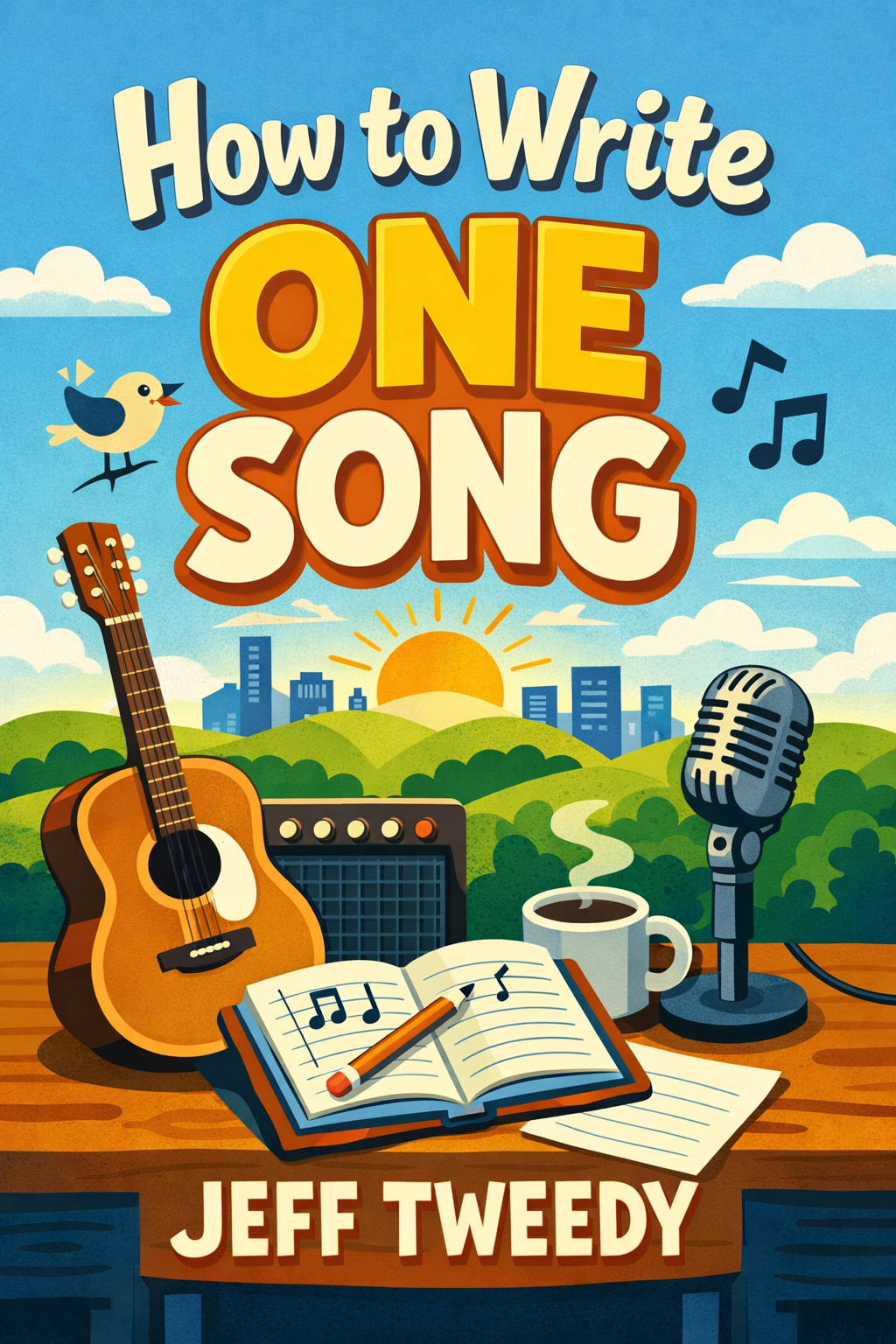
Description
The journey into songwriting often feels shrouded in mystery, reserved for a gifted few struck by lightning bolts of inspiration. This book dismantles that myth completely, presenting the craft as a natural, accessible, and profoundly human activity. At its heart is a liberating invitation: to write just one song. This singular focus removes the overwhelming pressure of building a career or a catalog and brings the process down to a manageable, joyful scale. The path outlined is not one of theoretical music theory, but of practical, hands-on exploration designed to awaken the innate creativity within anyone willing to try.
The first and perhaps most crucial step is to dismantle the biggest barrier to creation: perfectionism. The desire to write something profound, polished, and complete on the first try is a paralyzing force. Instead, the philosophy here champions the act of making itself—the messy, playful, and often surprising process of simply getting ideas out of your head and into the world. Techniques like setting a short timer and writing without judgment, or using random words as creative prompts, are designed to bypass the inner critic. This shift from evaluating a finished product to engaging in the creative process is freeing. It allows you to treat words and melodies as toys, to be rearranged and experimented with without the weight of expectation.
With the critic quieted, you can begin to play with language in unconventional ways. Words are not just vessels for literal meaning but raw material for sonic and emotional texture. Exercises like building “ladders” of verbs—moving from “walk” to “saunter” to “perambulate”—expand your lyrical palette. Creating lyrical collages from random phrases cut from magazines can spark unexpected connections and imagery that your conscious mind might never arrange. The book encourages exploring rhyme beyond the obvious, using slant rhymes and assonance to create a more subtle and interesting musicality in your lines. Even adopting a persona or writing from an object’s perspective can unlock new emotional depths and narrative angles, freeing you from the confines of your own immediate experience.
Finding your musical sound is presented as a journey of curiosity, not technical mastery. You don’t need to be a virtuoso instrumentalist; you can begin with your voice, a simple rhythm tapped on a table, or a few basic chords. The emphasis is on listening—to the melodies in everyday speech, the rhythms of the city, or the emotional contour of a rising and falling hum. Experimentation is key: trying a new instrument, digitally manipulating sounds, or deliberately borrowing and transforming elements from songs you love. Your unique sound often emerges from happy accidents and the honest embrace of your own limitations, leading to authentic expression rather than polished imitation.
These sparks of creativity must be nurtured through habit. Songwriting is framed not as a waiting game for inspiration, but as a practice built on consistency. Setting aside a small, regular time each day, creating a dedicated physical space, and keeping a song journal to capture fleeting ideas are all foundational strategies. The “two-minute rule”—committing to just 120 seconds of work—can overcome resistance, while setting small, achievable goals builds momentum. Collaboration and sharing your work, even in its rough stages, provide valuable feedback and accountability, integrating your creative practice into the fabric of your daily life.
Inevitably, there will be dry spells where ideas refuse to flow. This is treated not as a failure but as a natural part of the cycle. The book offers strategies for these moments, suggesting a return to playful exercises, a change of environment, or even stepping away entirely to engage in other forms of art or simple observation. The key is to maintain the habit of showing up without forcing a result, trusting that the well will refill. Ultimately, this guide is about more than writing a song; it’s about cultivating a sustainable, rewarding creative life. It argues that the act of making something from nothing—of shaping your thoughts and feelings into a unique combination of words and music—is a magical and accessible form of human expression, waiting for you to begin.
Book Title: How to Write One Song