Description
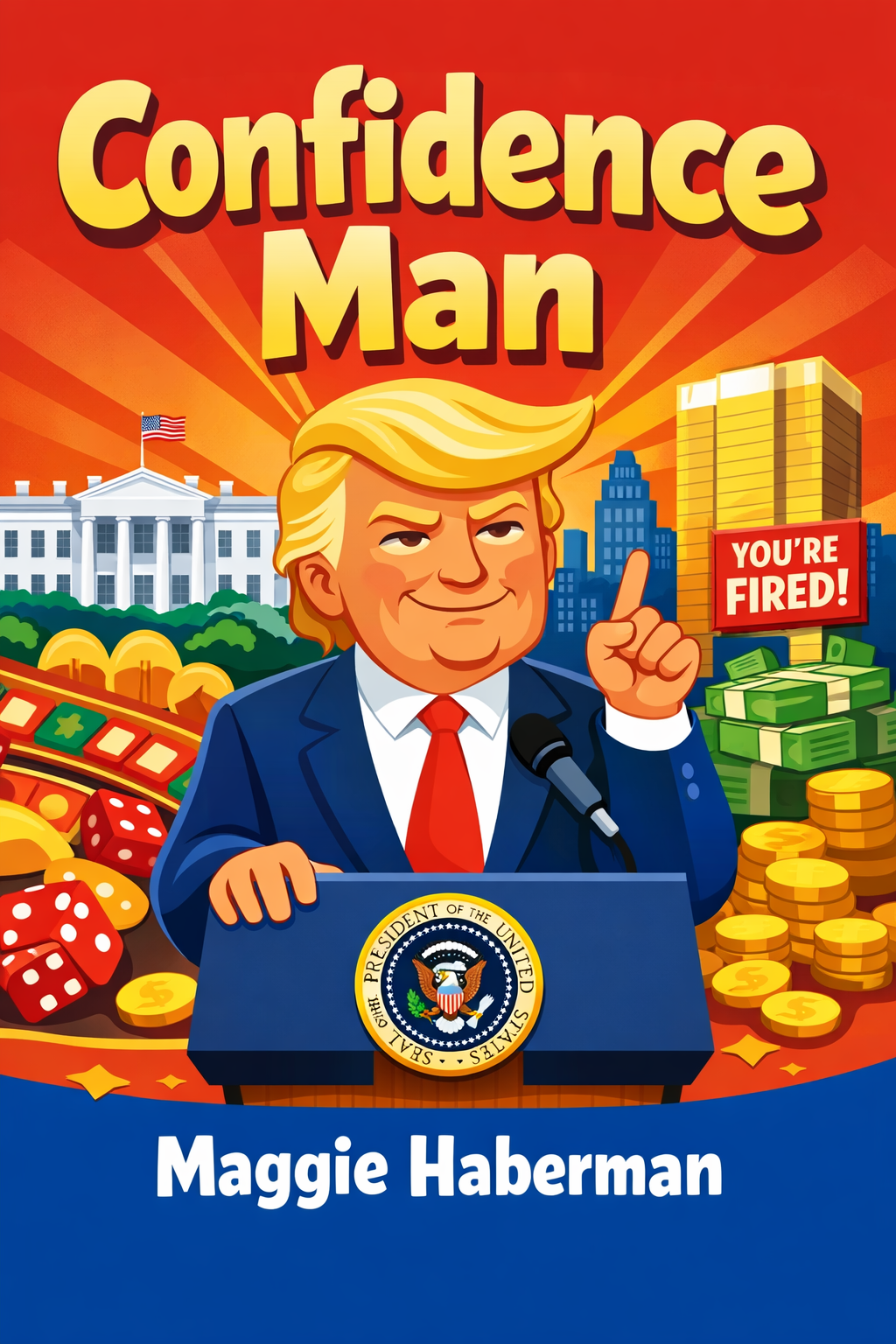
The story begins not in a political arena, but in a 1970s New York office, where a young Donald Trump confronts a city official. Denied a tax break, Trump responds not with negotiation but with a blunt threat to have the man fired. This early encounter establishes a pattern that would define his life: a combative, transactional style that positioned him as a perpetual victim and fighter, using outlandish claims and intimidation as primary tools. This approach, honed over decades, would eventually disrupt American politics and culminate in a violently contested transition of power.
Trump’s worldview was shaped by a narrative of personal slight and a hunger for undiluted credit. He often recounted a formative story from his youth, watching the engineer behind a great bridge be ignored at its opening. He vowed never to be similarly disrespected. Yet, the factual record of that day contradicts his telling—the weather was fine, the engineer was celebrated. This gap between Trump’s perception and reality is telling. Years later, after renovating a public skating rink, he would mirror the very behavior he claimed to despise, taking the stage to claim sole credit while ignoring the contractors and officials who did the work. He was not interested in shared success; he demanded the entire spotlight. This relentless drive for recognition was fueled by two formidable father figures. His father, Fred Trump, built a real estate empire through grit and political connections, instilling a ruthless, persevere-at-all-costs mentality. Later, the notorious lawyer Roy Cohn became a mentor, teaching Trump the power of relentless aggression, legal warfare, and a transactional worldview where people were either useful or disposable.
Trump’s foray into the public sphere was always politically tinged, as real estate necessitated. He mastered the art of attaching his name to sensational headlines, like taking out full-page ads to demand harsh punishment after a high-profile crime. While encouraged by political operatives like the cunning Roger Stone to run for office as early as the 1980s, Trump repeatedly backed away. The 1990s brought severe financial peril, with massive debts and failing ventures. Yet, he engineered a public comeback less through financial wizardry and more through narrative control, branding himself as a resilient winner in his book “The Art of the Comeback.” His true breakthrough into the national consciousness came with television. “The Apprentice” transformed him from a New York tabloid fixture into a household symbol of decisive authority and success, enabling a vast expansion of his brand.
This celebrity fused with the emerging power of social media. Trump embraced Twitter, initially for promotion but increasingly as a direct channel for his political voice. By the 2010s, the political landscape had shifted. Economic anxiety and the rise of the Tea Party created a fertile ground for an outsider. Trump, guided by advisors like Steve Bannon, began to reframe himself as a populist champion, though he initially preferred the term “popularist.” He discovered that his instinct for provocative, politically incorrect rhetoric—such as promoting the false “birther” conspiracy about President Obama—did not repel voters but energized a significant segment of the electorate. His performance at conservative gatherings proved his ability to captivate and channel anger.
When he finally launched his 2016 presidential campaign in earnest, the Republican establishment found him impossible to manage. Direct requests to moderate his tone only provoked him to escalate. His most controversial statements, like proposing a ban on Muslim immigration, were met with condemnation from party leaders but resonated with his base and dominated news cycles. Advisors and family members who urged nuance were met with a defiant, “You think I’m going to change?” He understood intuitively that in this new media environment, all attention, even negative attention, fueled his rise. The old rules of political campaigning did not apply to him. He operated on a different logic, one built over a lifetime in New York’s bare-knuckle battles, where perception often trumped substance, conflict commanded headlines, and unwavering confidence was the ultimate currency.