Description
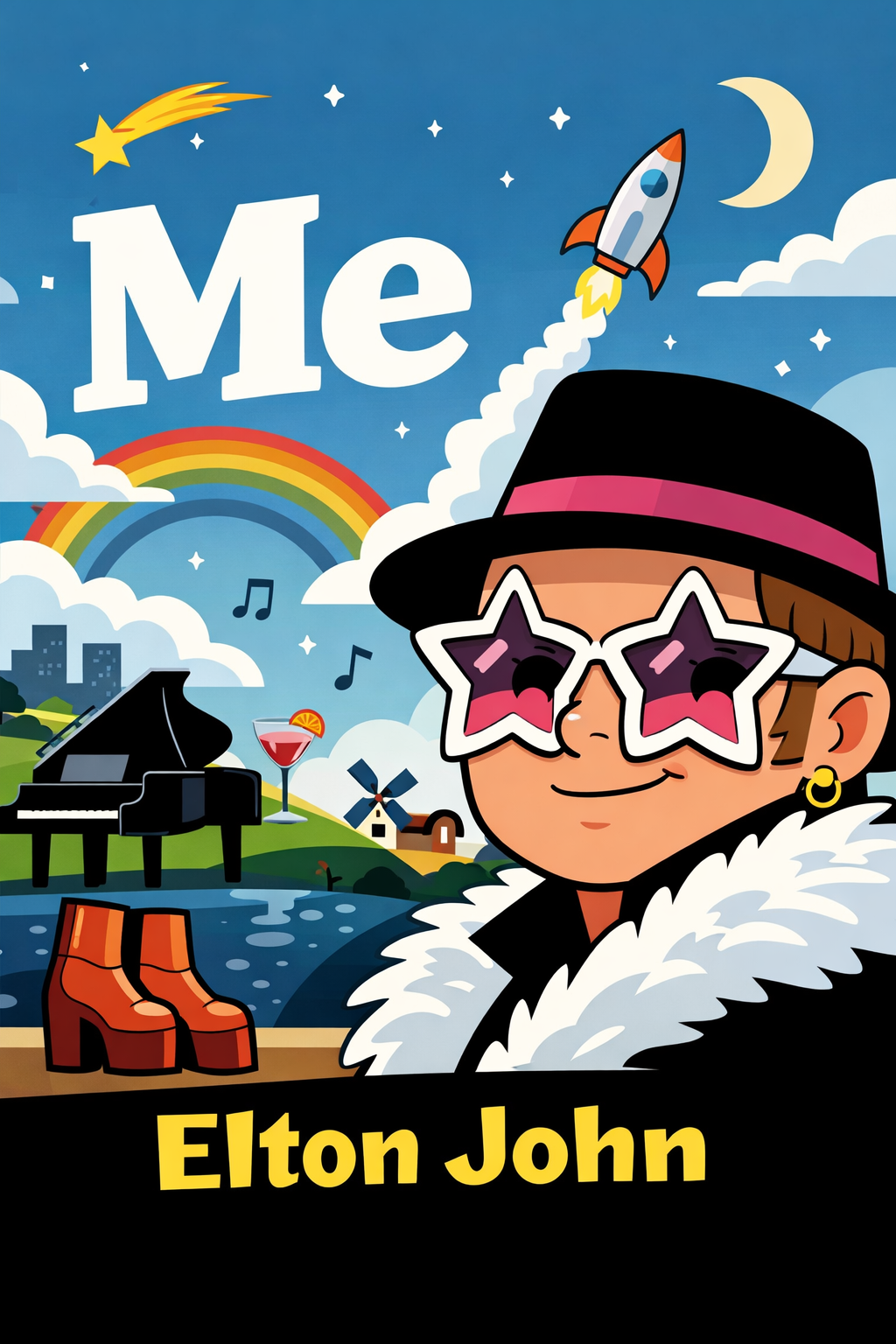
This is the story of Reginald Dwight, a shy boy from a London suburb who transformed into Elton John, the flamboyant rock superstar. It is a tale not just of sequins and sold-out stadiums, but of a profound search for love and identity, told with unflinching honesty. The narrative begins in a home devoid of warmth, where a young boy finds his only solace at the family piano. His innate talent is undeniable, offering an escape from a distant, critical father and a volatile mother. His childhood obsession with the rebellious energy of rock and roll, sparked by a magazine photo of Elvis Presley, sets him on a collision course with his own destiny, providing the fuel to dream beyond his grey surroundings.
The path to fame was anything but instantaneous. It was forged in the smoky chaos of pub gigs, where a teenage Elton played for tips and occasionally had to flee through windows to avoid brawls. It continued through the grind of touring with a struggling band and the absurdity of session work, where he was forced to impersonate voices that were not his own. These years of anonymous toil built resilience and stagecraft, essential tools for what was to come. The pivotal moment arrived not with a record deal, but with a plain envelope of lyrics handed to him after a failed audition. The words were by Bernie Taupin, a young man working on a chicken farm. This chance connection ignited one of music’s most enduring partnerships. Their creative alchemy, born in a shared bedroom and bunk beds at Elton’s mother’s house, would soon produce timeless classics, with “Your Song” crystallizing in a mere fifteen minutes.
Superstardom, when it finally erupted in a blaze of glory at Los Angeles’s Troubadour club, delivered a life of surreal extremes. The fame that granted him access to every fantasy also trapped him in a gilded cage of bizarre encounters and relentless excess. He navigated a world where one could accidentally insult Bob Dylan, host a quiet lunch that unexpectedly included Michael Jackson, and develop friendships with royalty, all while wearing increasingly outlandish costumes. Yet beneath the glittering surface, a deep unhappiness festered. The lonely child within the superstar sought comfort in a devastating vortex of addiction—to cocaine, alcohol, and food. This period is recounted with painful clarity, depicting a man lost in a self-created hurricane of hedonism, his genius overshadowed by self-destruction.
The journey through the music industry is portrayed as a wild, eclectic ride, marked by artistic evolution, commercial battles, and personal reinvention. Yet the most powerful crescendo in this symphony of a life is not a musical one, but a personal victory. The narrative builds toward a hard-fought salvation, found in sobriety, in the enduring creative marriage with Bernie Taupin, and in the foundational love and stability of his family with husband David Furnish and their children. The story concludes not at a peak of fame, but on a plateau of hard-won peace. It is the portrait of an artist who, after a lifetime of playing characters on stage, finally found comfort and unconditional love in being himself. The yellow brick road, it turns out, led not to an external wizard, but back home.