Description
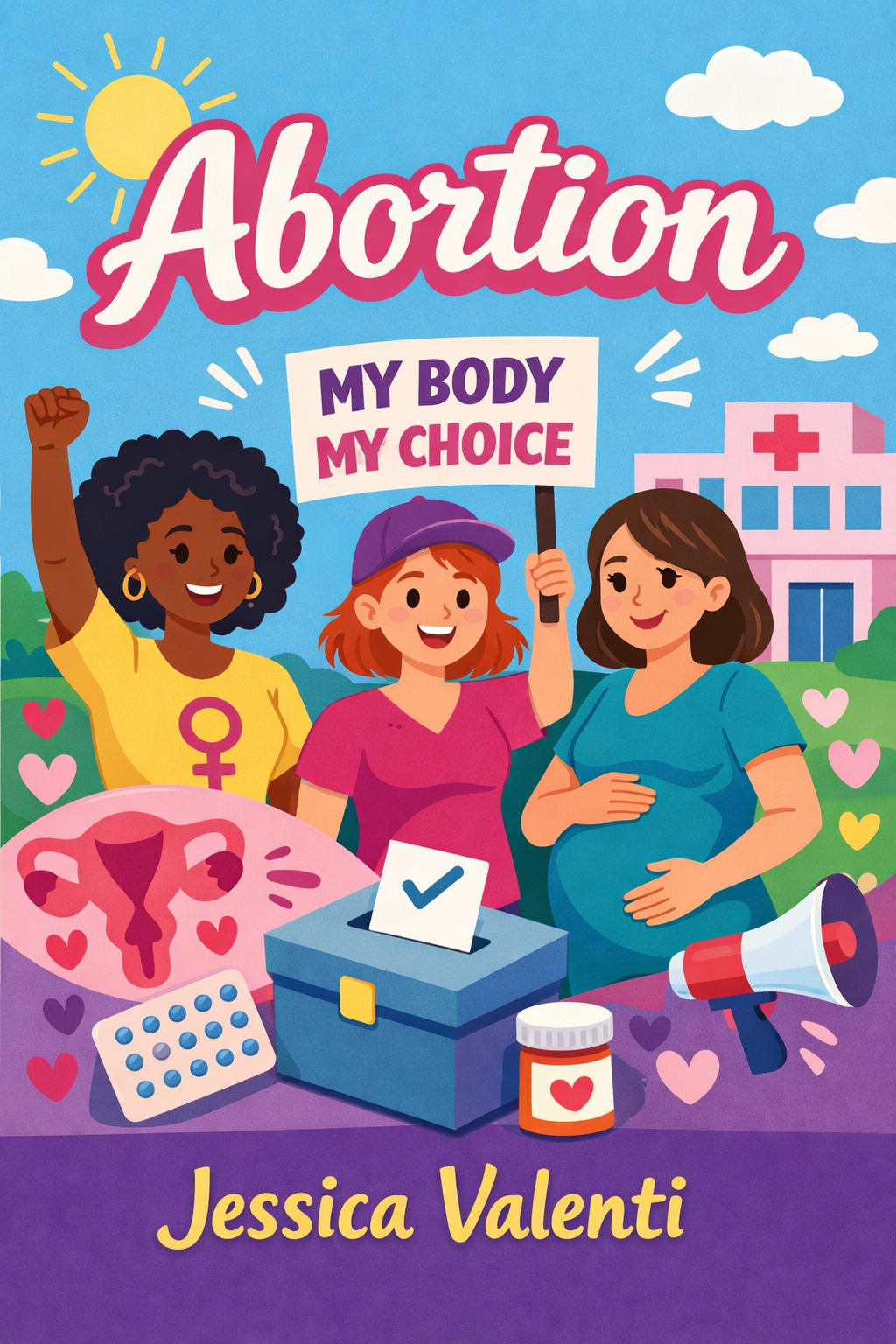
The landscape of American reproductive rights was fundamentally altered in 2022 when the Supreme Court overturned Roe v. Wade, a decades-old ruling that had protected the constitutional right to abortion. This decision, stemming from the Dobbs v. Jackson Women’s Health Organization case, empowered states to enact severe restrictions, rolling back freedoms to eras once thought consigned to history. The immediate question became: what does America look like now, and how can these essential rights be reclaimed? This text confronts that question head-on, dismantling common myths and outlining the real-world consequences of the ongoing campaign against bodily autonomy.
A central argument is that the conversation around abortion must shift from defensive apologies to a confident affirmation of its necessity and moral righteousness. For too long, advocates have framed abortion as a tragic but necessary choice, inadvertently ceding moral ground to opponents. The reality is that forcing a person to remain pregnant against their will is an act of profound cruelty with dangerous consequences. It is wrong to demand proof of trauma from rape survivors, to compel children to give birth, or to force individuals to carry nonviable pregnancies. Beyond rejecting these harms, we must actively recognize that abortion is good. It affirms the humanity and personhood of the pregnant individual, whose life and well-being must take precedence. The procedure is overwhelmingly safe and common, with one in four American women accessing it, and the vast majority expressing no regret. Furthermore, abortion unlocks potential, allowing people to pursue education, careers, and families on their own terms. Compelling data, such as the landmark Turnaway Study, reveals that being denied an abortion quadruples the chances of falling into poverty and increases risks of remaining with an abusive partner or suffering serious health complications. The evidence is clear: abortion is a social, economic, and moral good.
Contrary to popular political narratives, public opinion is not deeply divided on this issue. American voters overwhelmingly support legal abortion access. Significant majorities believe abortion should be legal in some or all circumstances, that medication abortion should remain available, and that the decision should rest solely with a patient and their doctor. Support has only grown since the fall of Roe, with increasing percentages of voters backing access even in later stages of pregnancy. The persistent myth of a polarized nation is carefully cultivated by well-funded anti-abortion lobbyists and reinforced by media outlets striving for a false balance. Presenting both sides as equally valid obscures the truth: restrictive laws are fundamentally undemocratic, imposed by a minority against the clear will of the people.
The threat, however, extends beyond abortion alone. The same movement is quietly working to erode access to contraception, redefining the very meaning of pregnancy to justify these restrictions. By claiming that some birth control methods, like IUDs and emergency contraception, act as “abortifacients” by preventing the implantation of a fertilized egg, they lay the groundwork to outlaw these tools. The strategy is not always overt legislation but a death by a thousand cuts: allowing insurers to deny coverage, permitting pharmacists to refuse to dispense, and replacing comprehensive health centers with ideologically driven crisis pregnancy centers that do not offer contraceptives. This incremental approach makes birth control functionally inaccessible for many, all while maintaining the legal fiction that contraception remains “legal.”
Even the supposed safety valves within abortion bans—exceptions for rape, incest, or the life of the pregnant person—are often cruel illusions. In practice, these exceptions are designed to be unusable. They may require survivors to file a police report in a system where most rapes go unreported and unprosecuted. They force doctors and hospitals to navigate vague legal language under threat of severe penalties, leading them to deny care even in dire medical emergencies. Real stories from states with bans reveal pregnant people turned away while in septic shock, forced to travel hundreds of miles while carrying a nonviable fetus, or unable to find a single provider willing to help despite qualifying for an exception. These are not bugs in the system but features, revealing an ideology with no room for compromise, one that subordinates the health and lives of actual people to a rigid dogma.
The path forward requires recognizing these interconnected assaults for what they are and responding with clarity and resolve. Protecting reproductive freedom means fighting not only for abortion access but for the full spectrum of sexual health care, including reliable contraception. It involves rejecting the false narrative of a divided public and mobilizing the clear majority that supports these rights. Ultimately, reclaiming autonomy demands a firm moral stance: the right to control one’s own body and future is fundamental, and its defense is both just and necessary.