Description
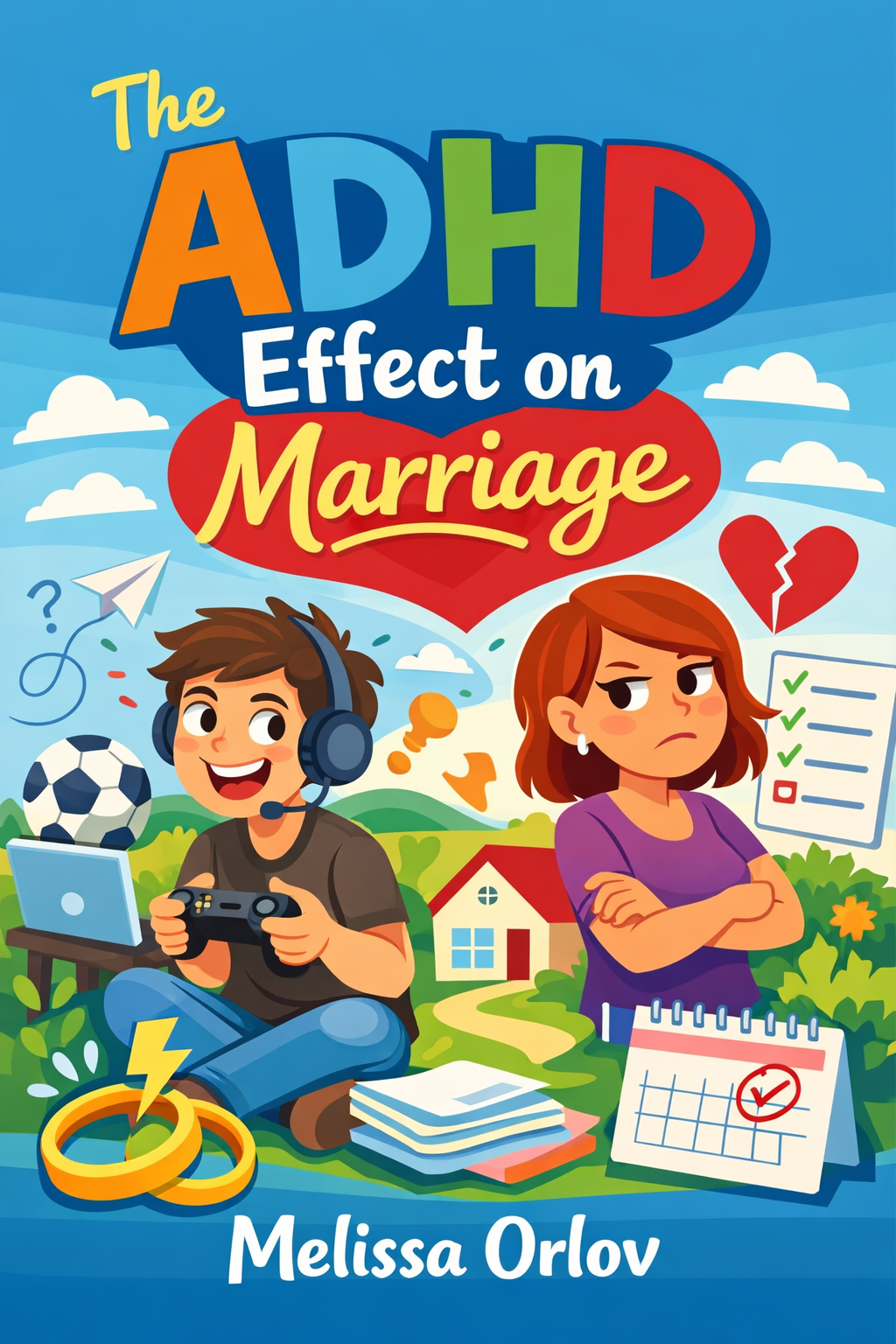
When ADHD enters a marriage, it often arrives uninvited and misunderstood, gradually eroding the foundation of love and mutual respect. What begins as minor frustrations—forgotten chores, impulsive remarks, or chaotic routines—can snowball into a chasm of resentment and loneliness. The partner without ADHD may feel more like a weary parent than an equal, burdened by an uneven share of responsibilities. The partner with ADHD often feels perpetually criticized and ashamed, trapped in a brain that seems to work against them and their deepest desires for harmony. This book presents a compassionate roadmap for couples to escape this destructive cycle, not by “fixing” the individual with ADHD, but by transforming the relationship itself through understanding and deliberate action.
The journey begins with a fundamental shift toward empathy. This requires both partners to consciously step outside their own realities. For the neurotypical partner, it means striving to understand the daily experience of an ADHD mind: the constant internal noise, the difficulty prioritizing, the overwhelm that can lead to paralysis or panic. It is not a character flaw but a neurological difference. For the partner with ADHD, it involves recognizing how their symptoms—the forgetfulness, distractibility, or emotional reactivity—are experienced by their loved one, often as personal neglect. A powerful tool to bridge this gap is the practice of writing and sharing personal letters focused solely on one’s own internal experience, not on accusations about the relationship. This opens a door to curiosity rather than conflict, building the safety necessary for real change.
With empathy as a foundation, couples can then identify and halt the unhelpful behavioral patterns that have taken root. The common “parent-child” dynamic, where one manages and nags while the other feels controlled and retreats, is a recipe for mutual unhappiness. The book emphasizes that simply “trying harder” within this old framework is futile. Instead, couples must jointly declare a reset, choosing to see their challenges as a shared puzzle to solve, not a battle to win. This involves recognizing specific ADHD symptoms as they trigger conflicts—like a forgotten errand stemming from a poor short-term memory—and collaboratively designing workarounds, such as shared digital reminders. The goal is to move reactions away from blame and toward practical, joint problem-solving.
Treatment is a personal and pivotal consideration, framed here as a potential tool for management, not a mandate. For the partner with ADHD, pursuing treatment, which may include medication, coaching, or therapy, is a powerful signal of commitment to the relationship. It is crucial to understand this as an experimental journey to find what works, not a magic bullet. Equally important is the recognition that the neurotypical partner may also benefit from support. Living with ADHD’s unpredictability can lead to anxiety, depression, and chronic stress. Seeking individual therapy, particularly with a professional knowledgeable about ADHD, helps this partner process their own grief and frustration, learn effective support strategies, and rebuild their own well-being. This dual approach ensures both individuals are fortified for the work ahead.
A thriving relationship requires consistent positive connection, which often gets buried under the logistics of managing ADHD. The book encourages couples to actively foster this bond through techniques like “learning conversations.” This structured dialogue involves one partner sharing a concern while the other listens and mirrors back what they heard, solely to ensure understanding before responding. This method slows down reactions, prevents defensiveness, and allows both people to feel truly heard. It transforms arguments about surface behaviors into deeper explorations of underlying feelings and needs. By regularly creating these moments of authentic connection, couples weave a stronger emotional fabric that can better withstand daily stresses.
Protecting individual well-being within the relationship is achieved through clear, respectful boundaries. In ADHD-affected dynamics, boundaries are frequently crossed, whether it’s the non-ADHD partner taking over all domestic life or the ADHD partner intruding on the other’s space and time. Healthy boundaries are not walls but declarations of self-respect. They might involve agreeing that certain personal items are off-limits, or that each person has a designated “downtime” free from demands. Setting these limits prevents resentment and burnout, ensuring that both partners can show up for each other from a place of fullness, not depletion.
Finally, the path leads back to romance. When daily life becomes a series of managerial tasks, intimacy and playfulness disappear. Reigniting romance requires intentionality—scheduling regular time for fun and connection without discussing responsibilities or problems. It’s about rediscovering the friendship and attraction that started the relationship, allowing moments of lightness and affection to rebuild the positive associations that conflict has eroded. This final step is the celebration of the progress made, a commitment to prioritizing joy and partnership above all else. By following this comprehensive framework, couples can move from a place of struggle to one of understanding, transforming the ADHD effect from a source of division into a navigable aspect of a strong, resilient, and loving partnership.