Description
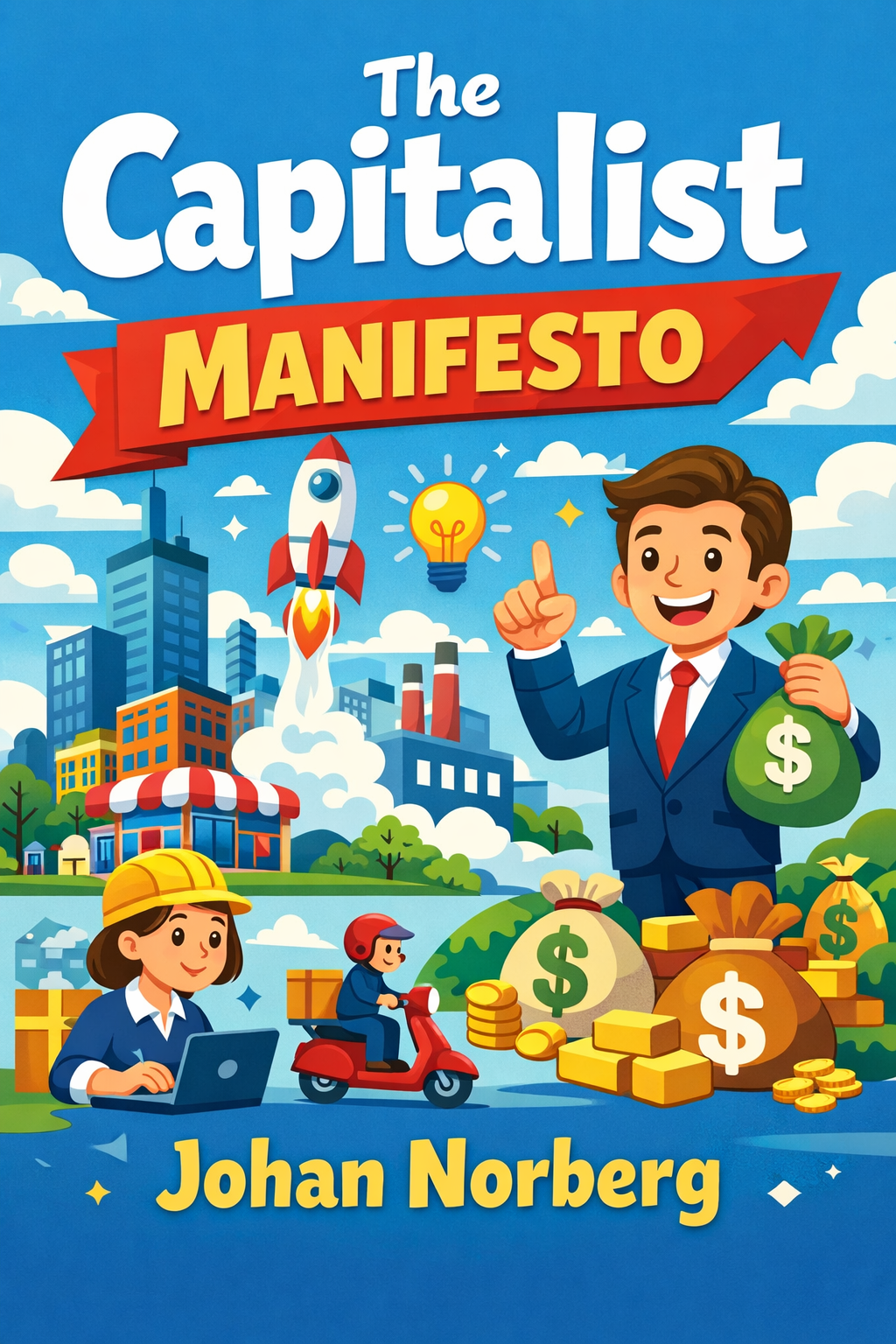
A common narrative paints our modern economic system as a force for inequality and environmental decay. Yet, a closer look at the world since the 1990s reveals a profoundly different story—one of unprecedented human advancement. This is the story of capitalism not as a rigged game for the few, but as the most effective framework ever devised for creating widespread prosperity. The evidence is in the data: extreme global poverty has plummeted from over a third of humanity to a fraction of that, a transformation most dramatic in regions that opened their economies. This isn’t just about raw wealth. Life expectancy has soared, child mortality has crashed, and access to technology and education has become commonplace, even in previously impoverished nations. This progress isn’t an accident; it’s the direct result of economic liberalization, global trade, and the innovation that free markets incentivize. From Botswana to Vietnam, the pattern is clear: countries that embrace economic freedom see their citizens’ lives improve in tangible, meaningful ways.
This progress, however, has sparked anxieties, particularly in developed nations where the nature of work is changing. The decline of traditional manufacturing jobs is often blamed on globalization and automation, portrayed as a theft of livelihood. In reality, this shift is a sign of economic maturation and increasing productivity. Automation accounts for the vast majority of manufacturing job losses, not offshoring. While robots now handle repetitive tasks, this hasn’t led to a net loss of work but a transformation. Our economies have dynamically created millions of new roles in services, healthcare, and technology—jobs that are often safer, more creative, and better paying. Industrial output itself has skyrocketed, meaning we produce more with less human toil, making goods cheaper and freeing up consumer spending for other pursuits. The labor market is fluid, with most workers eventually moving to higher-paying positions. This churn, while disruptive, is a hallmark of a healthy, evolving economy that raises living standards overall.
A central critique of this system is the inequality it produces, symbolized by the much-discussed “one percent.” It is crucial to distinguish between different kinds of wealth. The book argues that wealth derived from cronyism—where businesses profit from government favors and bailouts—is indeed corrosive and must be reformed. However, wealth accumulated through genuine entrepreneurship and innovation is of a different character entirely. Figures like the founders of major tech companies did not simply extract existing wealth; they organized resources, took colossal risks, and created entirely new value for society. They keep only a sliver of the immense value they generate, which is diffused through cheaper products, new services, and entire industries that employ millions. The luxuries of yesterday’s billionaires—instant global communication, vast libraries of information, next-day delivery—become the conveniences of today’s average person. This “democratization of luxury” is the overlooked fruit of entrepreneurial capitalism.
The scale of today’s most successful companies, especially in tech, raises legitimate questions about monopoly power and stagnation. Are giants like Google or Amazon stifling the very competition that fuels progress? The reality is more nuanced. These companies typically achieved dominance by offering radically better services than what came before. Their continued reign is not guaranteed by size alone but depends on constant innovation, as their own history of failures proves. Furthermore, while national market concentration figures may rise, local and online competition has exploded, giving consumers more choice than ever. Often, the true barrier to new challengers is not corporate might but well-intentioned government regulation that large incumbents can easily absorb, but startups cannot. The story of big business is not a static tale of monopolies but a dynamic saga of creation, disruption, and the perpetual threat of being overturned by the next big idea.
Finally, the greatest challenge to the capitalist narrative is the planetary crisis of climate change. In response, some propose “degrowth”—a deliberate shrinking of economic activity. This book contends that such a path is both impractical and counterproductive. Slowing growth would hit the world’s poorest hardest and stifle the very engine of innovation we need. The solution lies not in less capitalism, but in more directed innovation. History shows that market incentives are unparalleled in solving scarcity problems. The green transition must be powered by entrepreneurial energy, channeled through carbon pricing and investment in breakthrough technologies, to make clean energy not just ethical but cheaper and better than fossil fuels. Prosperity and sustainability are not opposites; the former is the essential fuel for the latter. The capitalist manifesto, therefore, is not a call for unbridled greed but a confident case for economic freedom as the foundational tool for building a healthier, wealthier, and more innovative future for all.