Description
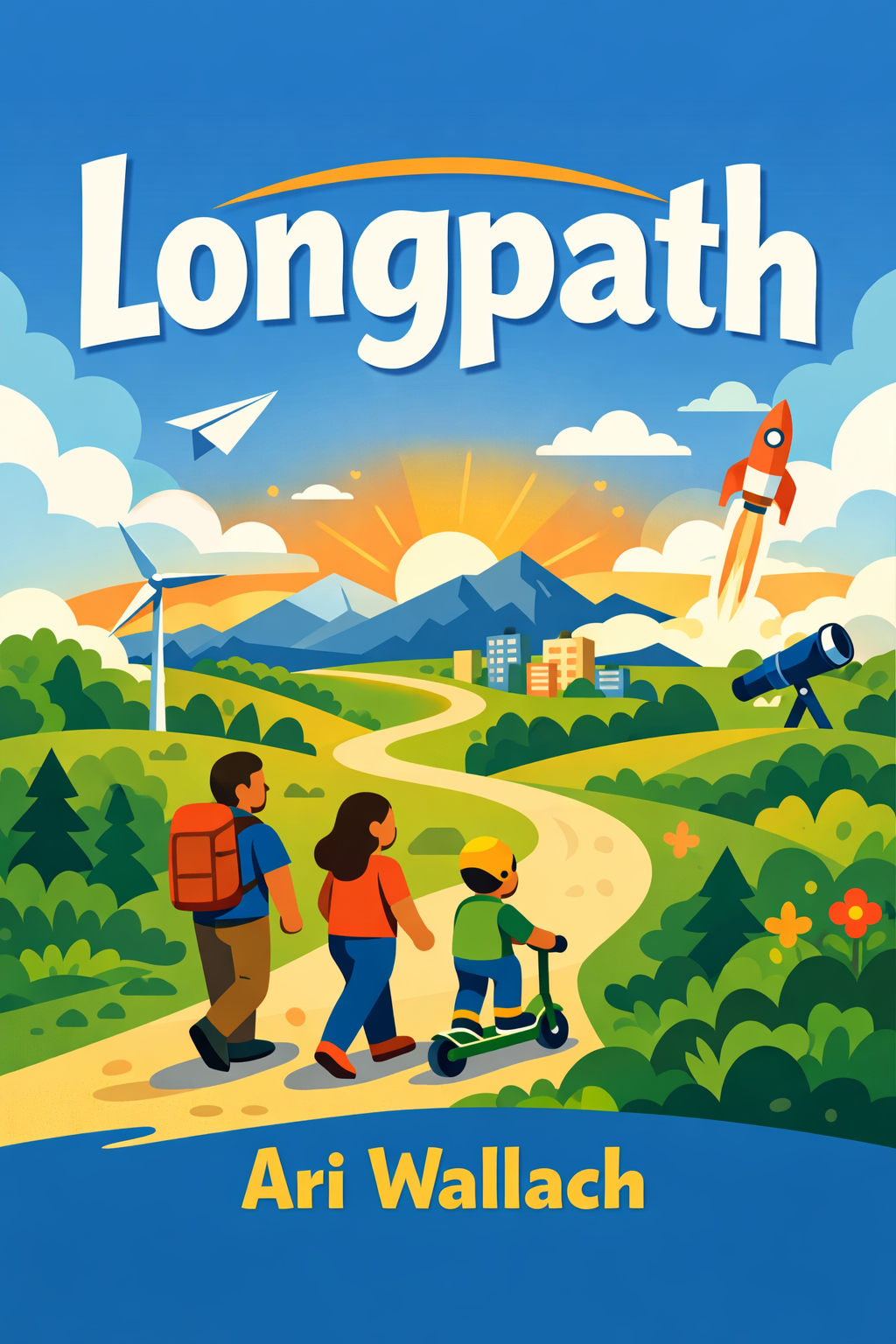
We live in a moment of profound transition, a turbulent period where the old ways of thinking are proving inadequate. The challenges of climate change, technological disruption, and shifting cultural foundations signal that humanity is navigating a crucial intertidal zone between eras. This chaos, while unsettling, presents a unique opportunity. History shows such periods can lead to decline, like the fall of Rome, or to renaissance, like the Scientific Revolution. The direction we take depends on the mindset we adopt now. To steer toward a flourishing future, we must consciously abandon the short-term thinking that dominates our lives and institutions, and instead embrace a long-term perspective—a mentality that connects our present actions to the well-being of generations far ahead.
This short-termism is a deep-seated instinct, once useful for survival but now often harmful. It drives personal choices that sacrifice long-term health for immediate gratification, corporate policies that prioritize quarterly profits over environmental sustainability, and political decisions that ignore looming crises. Our digital age, with its constant demand for instant feedback and validation, has amplified this tendency, especially among the young. To counter it, we must first become aware of how these short-term impulses make us feel and impact others. Next, we must believe in our capacity for change, leveraging the brain’s neuroplasticity. Finally, we must actively cultivate emotions like gratitude, awe, and a broader empathy, which tether us to a larger story and help us make choices with lasting positive impact.
The cornerstone of this long-term mindset is transgenerational empathy—the conscious connection to our ancestors and our descendants. It begins with empathy for the past, acknowledging both the gifts and the burdens of history. This means honestly confronting historical injustices, not to dwell in guilt, but to learn, heal, and build a more honest foundation, much like South Africa’s Truth and Reconciliation Commission attempted. It also requires self-compassion, recognizing our own imperfections while believing in our ability to grow. Completing this empathetic arc is a genuine regard for future generations. This isn’t an abstract concept; it can be practiced by families saving a seat at the table for those yet unborn, companies symbolically considering future stakeholders in decisions, or governments establishing ministries for the future.
With this empathetic foundation, we can begin to reimagine what lies ahead. Every society operates with an “official future”—a default, often uninspired narrative of where we are headed. We must reject this passive acceptance. The future is not a single, predetermined path but a spectrum of possibilities. Our task is to move beyond dystopian fears and intentionally envision “examined, desired futures”—clear, creative pictures of the world we wish to build. This thinking must be inclusive, considering the flourishing of all people and the planet itself. Consider the revolutionary Hogewey village in the Netherlands, a community designed for those with dementia. It defied the “official future” of sterile nursing homes by intentionally creating a place of dignity, normalcy, and community, demonstrating how purposeful vision can create a better present and a template for a better tomorrow.
Ultimately, transforming the future is a collective endeavor. Adopting a long-path mentality personally is the first step, but its power multiplies through cooperation. To scale this mindset, we must influence our spheres—family, work, community—through four key strategies. First, we need **vision**: articulating a novel, compelling picture of a desired future that challenges the status quo and inspires others. Second, we must foster **conversation**: creating spaces for deep, generative dialogue that bridges differences and builds shared understanding. Third, we require **facilitation**: developing the tools and processes that help groups move from conversation to coordinated action. Finally, it’s about **ways of being**: embodying the values of empathy, patience, and legacy in our daily interactions, making the long-path a lived reality. By weaving these strands together, we can transform our intertidal chaos into a gateway for a more harmonious, just, and sustainable world, leaving a legacy that our descendants will thank us for.