Description
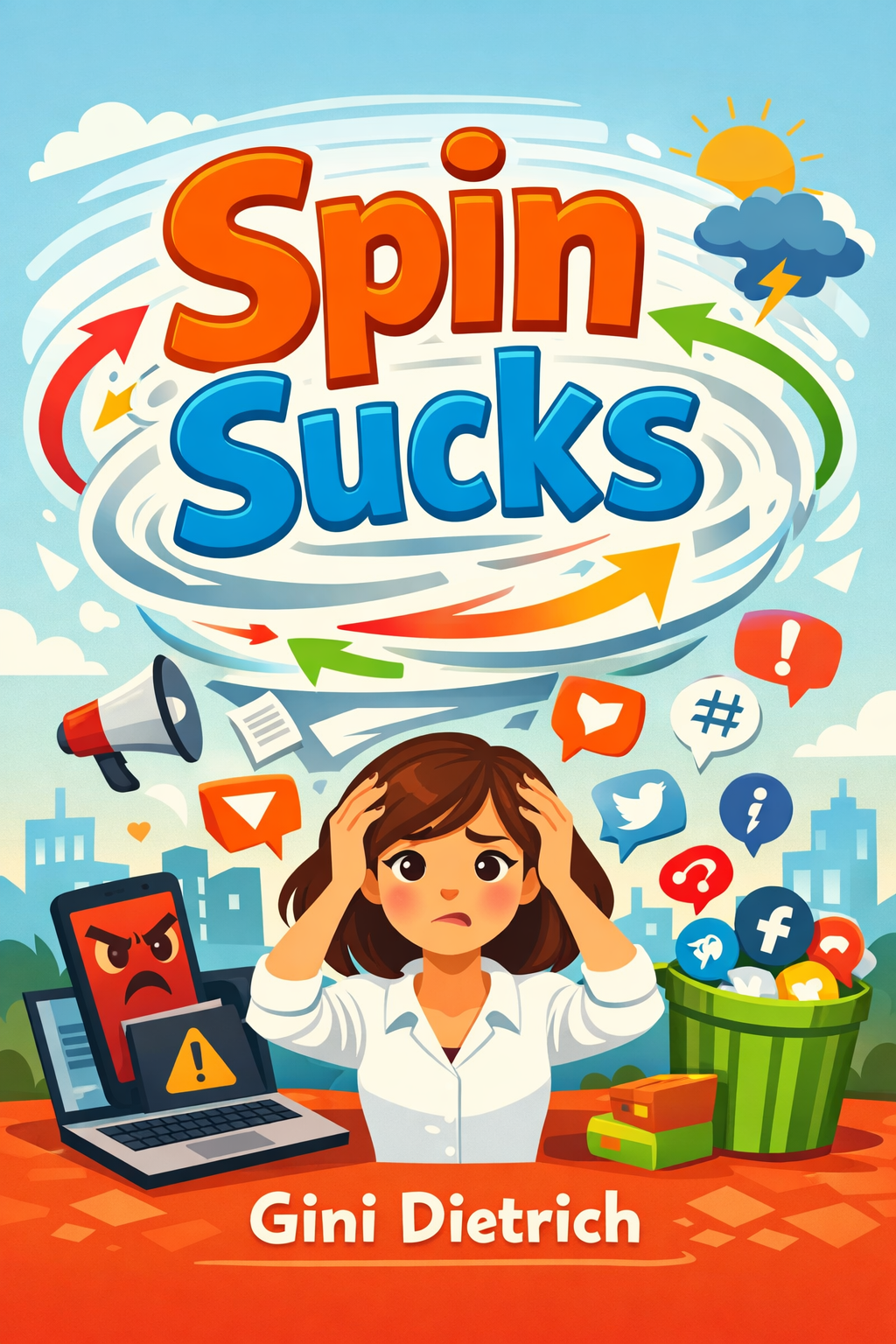
In a world saturated with digital noise, the old playbook of marketing—relying on sensationalism, empty promises, and manipulation—is not just ineffective; it’s actively harmful to a brand’s longevity. True success now hinges on a fundamental shift: replacing ‘spin’ with substance. The core argument is that audiences, empowered by the internet, can see through disingenuous tactics. The path forward requires a commitment to clarity, honesty, and providing genuine value at every touchpoint.
The journey begins with content. With countless messages vying for attention daily, only truly standout material cuts through. This demands more than just flashy headlines; it requires a coherent and purposeful content vision. Consider the example of a taxi driver who built a powerful personal brand not by advertising cheap fares, but by becoming a trusted, real-time resource for everything happening in his city. His strategy was focused on being useful, not loud. This principle extends to public relations, where building authentic connections has replaced the old model of controlling a narrative. Campaigns that spark genuine conversation by tapping into real human emotions and stories create far deeper engagement than any staged photo-op ever could. It’s about fostering trust, not just generating buzz.
This philosophy is critical when navigating the digital landscape’s rules, particularly search engines. The choice is framed as one between ‘white hat’ and ‘black hat’ strategies. The latter involves shortcuts like keyword stuffing or content theft, treating search algorithms as a system to be gamed. This approach is risky and ultimately unsustainable. The former, ‘white hat’ strategy, is a marathon, not a sprint. It accepts that search engines reward what they are designed to find: high-quality, original content that serves real people. By patiently building a library of valuable material, a brand earns its ranking through merit, creating a stable foundation for organic growth.
Of course, operating with transparency invites scrutiny. Criticism is inevitable in the connected age, but it presents a golden opportunity. A systematic approach to handling feedback can transform detractors into ardent supporters. The process starts with a calm evaluation: is the complaint valid? Then, consider the source—is this a loyal customer with a genuine grievance or a malicious troll? Once a real issue is identified, strategy is key. Respond publicly to show accountability, then move the conversation to a private channel to resolve it personally. The goal isn’t to win an argument but to solve a problem. A sincere apology and a concrete effort to make things right, as demonstrated by a company resolving a service failure with grace, can convert frustration into fierce loyalty.
This commitment to integrity must be foundational. While it’s technically easier than ever to manipulate media narratives—by fabricating stories or posing as false experts—such tactics are a profound waste of energy. They erode the very trust a brand needs to survive. Truly great companies understand that their narrative must be built on their actions. They focus on doing good work, treating people well, and letting those truths shape their story. This extends to handling challenges like content theft. While legal action is an option, sometimes the more strategic move is to leverage the situation, perhaps by publicly acknowledging the ‘flattery’ and redirecting attention back to the original, superior source.
The modern landscape also offers powerful tools for co-creation, such as social media, which allows brands to tap directly into their community’s voice. However, this partnership has its pitfalls. Relinquishing some narrative control means a brand must be prepared for unpredictable conversations and must engage in real-time, not just during scheduled campaigns. This highlights the two dominant themes of contemporary marketing: the paramount importance of the total customer experience and the necessity of real-time interaction. Every email, support call, and social media comment is part of the marketing story. In the end, the book makes a compelling case that in a transparent world, the most powerful marketing strategy is to simply be a good company. Authenticity, valuable content, and respectful engagement aren’t just ethical choices; they are the most durable and effective engines for growth. The era of spin is over. The future belongs to substance.