Description
Our phones have become constant companions, but this relationship is often far from healthy. The average person checks their device dozens of times a day, amounting to a part-time job’s worth of weekly screen time. This isn’t simply a bad habit; it’s a byproduct of intentional design. Smartphones and the apps on them are engineered to capture and hold our attention. They exploit fundamental human psychology, leveraging the brain’s dopamine-driven reward system. Every notification, like, or new message is a variable reward, a digital slot machine that triggers a pleasurable chemical release, conditioning us to reach for our phones compulsively.
This design has profound consequences for our minds. Our brains are naturally prone to distraction—a trait once vital for survival—but phones weaponize this tendency. The endless stream of alerts and hyperlinks fractures our concentration, making deep focus an exhausting struggle. This constant interruption doesn’t just break our flow in the moment; it actively harms our memory. Our short-term, or working, memory can only hold a few pieces of information at once. Each phone check overwrites this mental slate, making it difficult to retain what we were just doing or thinking. Furthermore, the chaotic influx of digital information can overwhelm the process that transfers experiences into long-term memory, potentially leaving our personal history feeling shallow and fragmented.
The impact extends into the night, severely disrupting sleep. The engaging, often emotionally charged content on our phones is mentally stimulating, making it hard to wind down. More insidiously, the blue light emitted by screens mimics daylight, suppressing the production of melatonin, the hormone that regulates our sleep cycles. Using a phone before bed tricks the brain into feeling alert, leading to difficulty falling asleep and poorer sleep quality, which undermines overall health, mood, and cognitive function.
Recognizing these costs is the first step toward change. The journey to a healthier relationship with your phone begins with motivation and clear-eyed awareness of your own usage patterns. A powerful initial step is to remove social media apps from your phone. This isn’t about abandoning these platforms entirely, but about accessing them intentionally on a computer, breaking the cycle of mindless, all-day checking. The goal is to create space, but that space must be filled purposefully. Without a plan for how to use your newfound time and attention, old habits will quickly return.
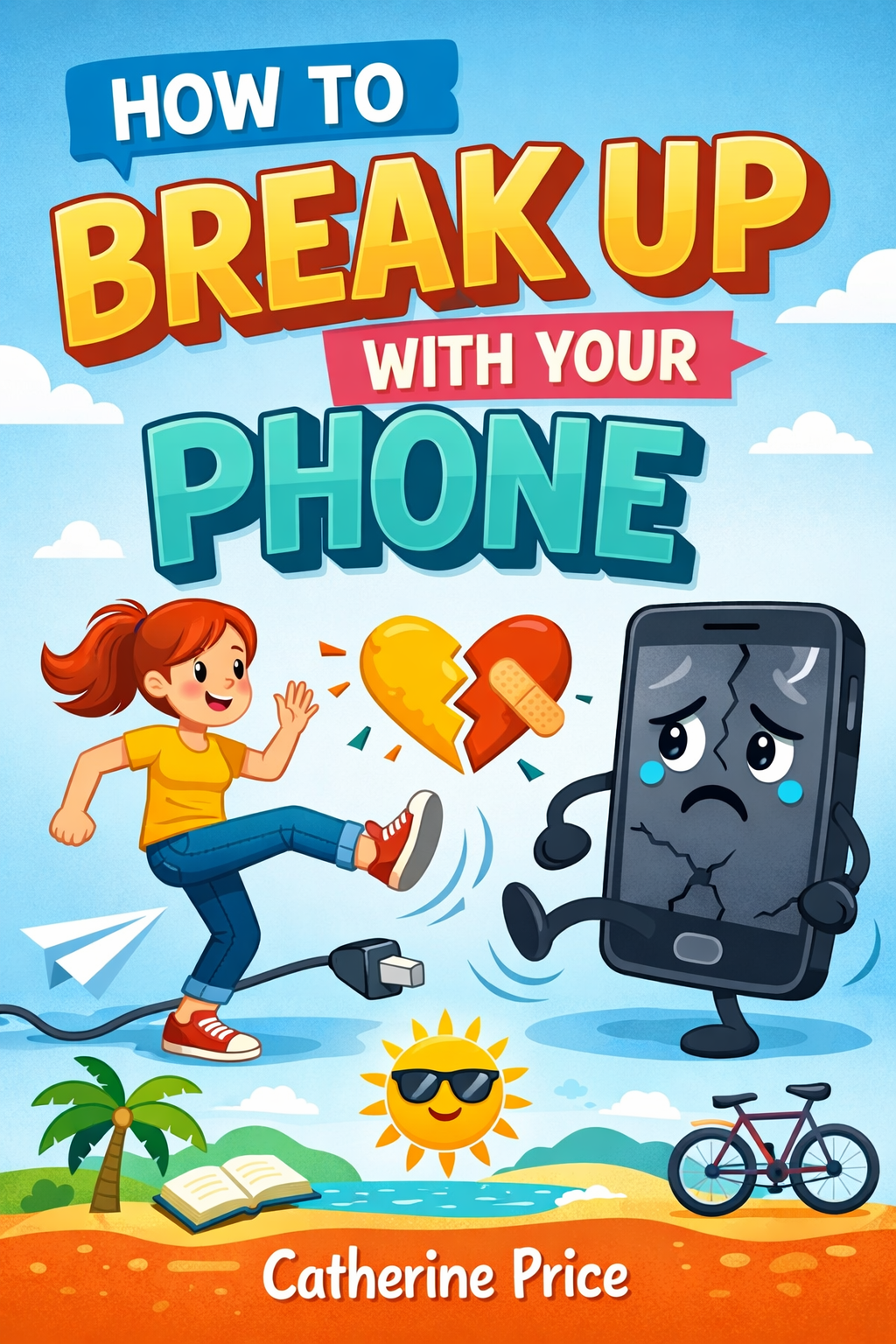
The book provides a structured 30-day plan to facilitate this transformation. The first phase involves technological and behavioral “hacks” to reduce temptation. This includes turning off non-essential notifications, grayscaling your screen to make it less visually appealing, and charging your phone outside the bedroom. The second phase introduces a trial separation—a period of drastically reduced usage to reset your norms and highlight how the phone has been dictating your time. Finally, you reintegrate the tool on your own terms, applying the finishing touches to a new, conscious relationship. The ultimate aim is not to live in a cave, but to become the master of your technology. It’s about shifting your phone from a slot machine in your pocket to a deliberate tool, thereby reclaiming your focus, your sleep, your memory, and your connection to the physical world and the people in it.