Description
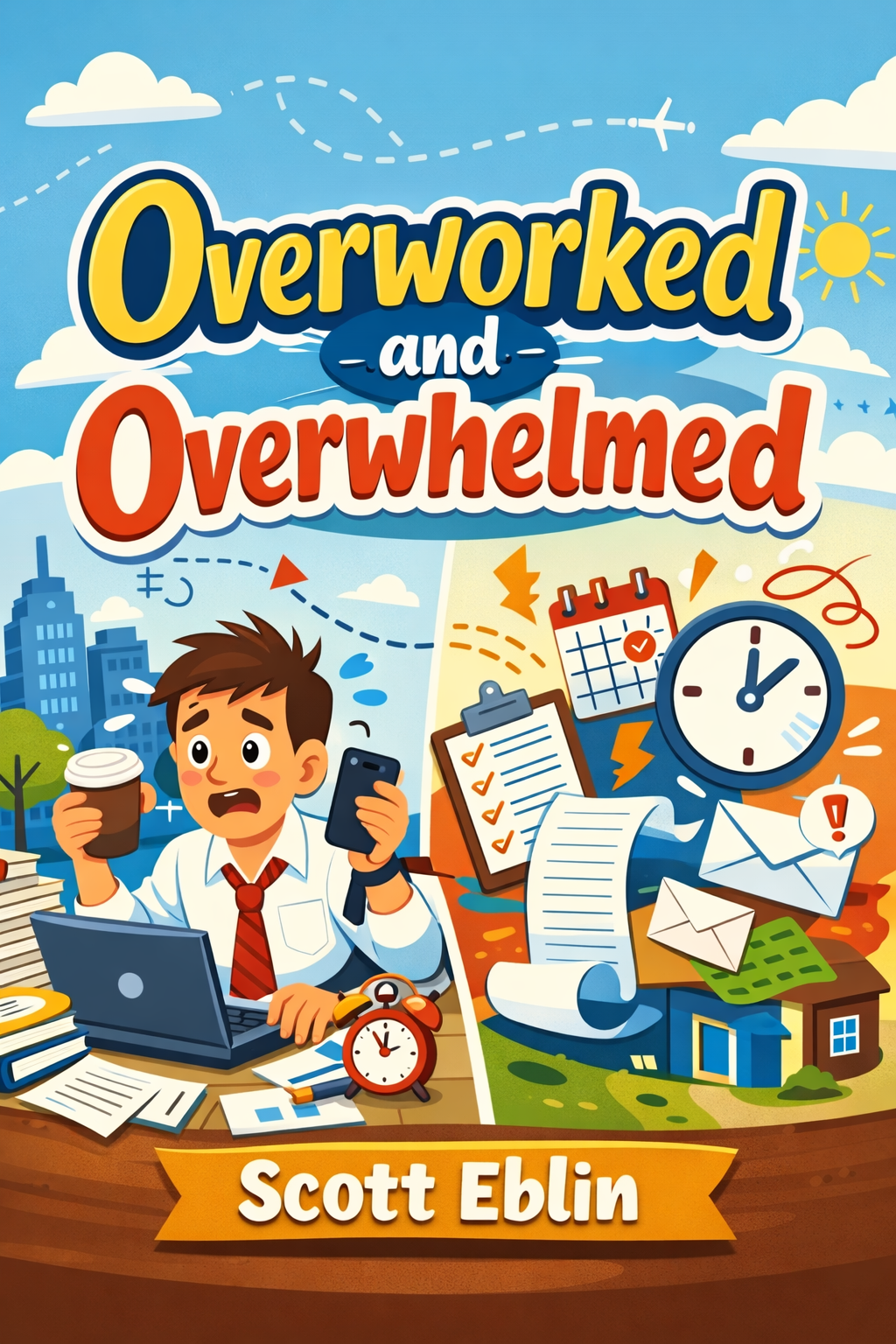
Modern professional life has become a relentless cycle of demands, blurring the lines between work and personal time. The constant connectivity enabled by smartphones and a culture of always-on availability has led to widespread burnout, anxiety, and a decline in overall well-being. This book argues that this state of being chronically overworked and overwhelmed is not an inevitable price of success, but a manageable condition. It provides a toolkit of accessible, evidence-based practices designed to counteract the physiological and psychological toll of stress, helping individuals cultivate peace and purpose amidst the chaos.
The core of the problem lies in how our bodies react to modern pressures. A looming deadline or an overflowing inbox can trigger the same primal fight-or-flight response as a physical threat. This floods the system with stress hormones like adrenaline and cortisol, which, when constantly elevated, lead to hormonal imbalance, impaired health, and mental fatigue. To break this cycle, the book emphasizes the power of mindfulness. Simple techniques, such as deliberately focusing on ten deep breaths or establishing a brief meditation practice, can act as a circuit breaker for this stress response. Research indicates that such practices can physically change the brain, calming the amygdala, the region that sounds the alarm, and fostering a state of calm awareness from which to respond rather than react.
Beyond immediate coping mechanisms, the solution lies in designing a supportive structure for daily life. This involves creating a conscious work rhythm that aligns with your energy levels. The example of a CEO who starts his day hours before official business begins illustrates how carving out intentional, uninterrupted time for preparation can create a buffer against the day’s chaos, allowing for focused engagement later. This rhythm must be flexible, adapting to the unpredictable nature of work and family life, focusing on the quality and intention behind time spent rather than rigid adherence to a perfect schedule.
Establishing clear routines is another foundational strategy. By turning beneficial behaviors into automatic habits through a simple cue-routine-reward loop, we conserve precious mental energy for more complex tasks. A personal routine, like charging your phone in a specific room upon arriving home, can create a tangible boundary to protect personal time. Professionally, establishing constructive feedback systems is crucial. Creating simple, agreed-upon signals within a team to address counterproductive behaviors—like excessive negativity—can transform the work environment, fostering psychological safety and efficiency without formal, stressful confrontations.
Physical activity is presented as one of the most potent, underutilized antidotes to stress. It doesn’t require intense gym sessions; rhythmic, repetitive movement like walking, cycling, or yoga serves a dual purpose. Physically, it helps metabolize and flush out accumulated stress hormones. Psychologically, the focused attention on the body’s motion provides a mental break from cyclical worries, offering a form of moving meditation that resets the nervous system.
The book also explores the power of the mind through visualization and appreciation. Visualizing a successful, calm outcome to a challenging situation can prepare the neural pathways for that reality, reducing anxiety. Similarly, the practice of savoring—fully immersing oneself in a positive moment, whether a coffee break or a small win—trains the brain to notice and amplify positive experiences, counterbalancing the brain’s natural negativity bias. This is complemented by the profound stress-buffering effect of social connection. Actively cultivating friendships and maintaining old bonds provides emotional support, perspective, and a vital sense of belonging, reminding us that we are not alone in our struggles.
Finally, the practice of gratitude is highlighted as a transformative tool. Regularly acknowledging what you are thankful for, even in small ways, shifts focus from what is lacking or stressful to what is supportive and good. This cognitive shift can lower stress hormones, improve sleep, and build a more resilient outlook. Ultimately, the book makes a compelling case that managing stress is not about adding more to your to-do list, but about integrating these simple, sustainable practices into the fabric of your life. It is a journey from being passively overwhelmed to actively crafting a life of engaged presence, health, and connection.