Description
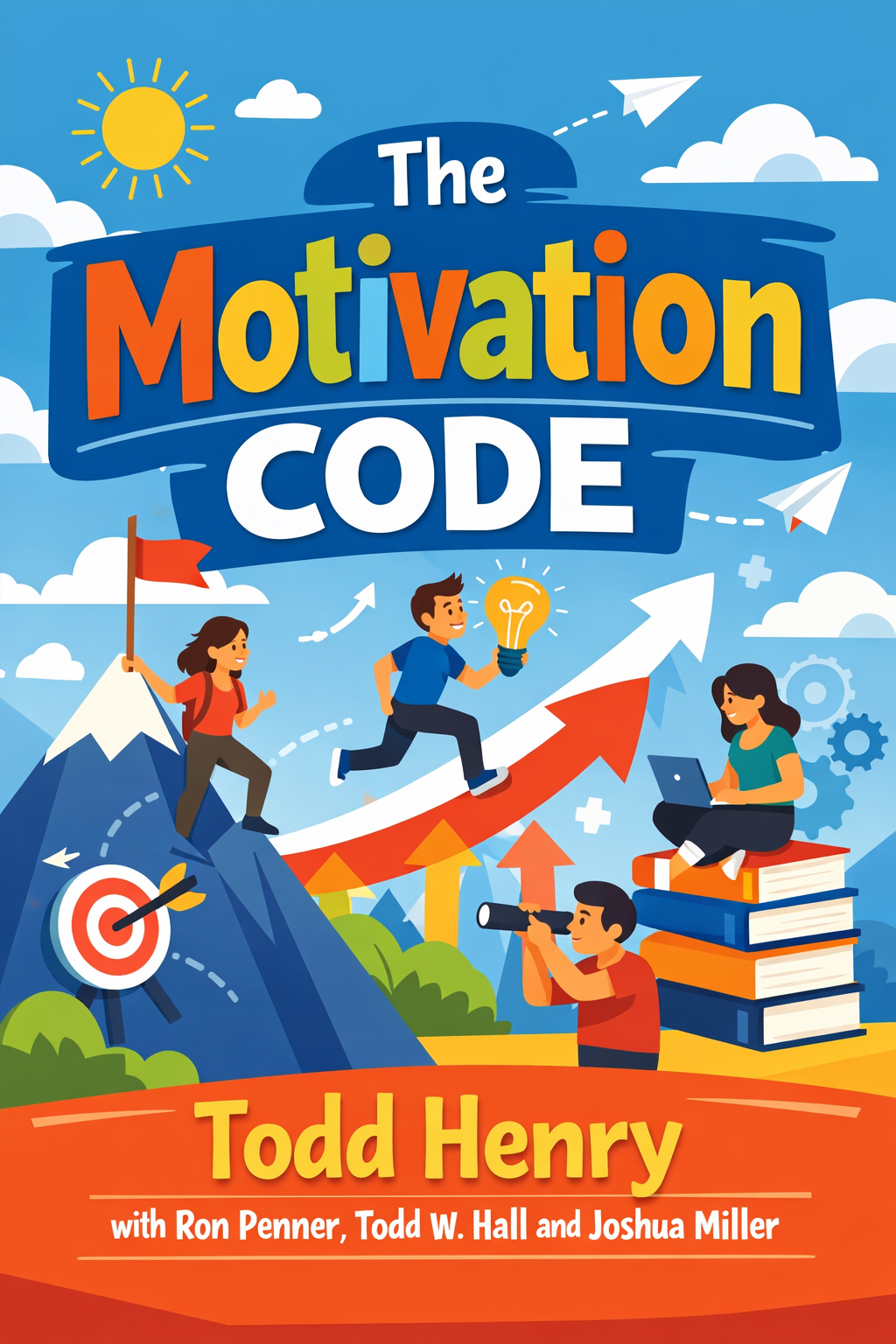
What truly drives you to do your best work? While many point to external rewards like money or status, the real answer lies far deeper within your unique psychological makeup. “The Motivation Code” argues that each of us operates according to a hidden, personal set of drives—a motivational code that remains consistent throughout our lives and across all situations. Understanding this code is the key to aligning your career and life with your authentic nature, while also providing a powerful lens through which to interpret the behavior of colleagues, friends, and family. This journey inward moves beyond simple rationalizations we tell ourselves, uncovering the subconscious desires that truly dictate our actions, our thrills, and our failures.
The book explores several core motivational families, starting with the Visionaries. These individuals are driven by the allure of potential and the promise of a better future. They excel at seeing opportunities and inspiring others with grand possibilities, often thriving in creative or entrepreneurial roles. However, their strength is also their weakness: a focus on the distant horizon can cause them to neglect immediate practicalities and logistical details. Without a concrete plan to anchor their dreams, their visions can remain just that—dreams. Working effectively with a Visionary requires grounding their enthusiasm in tactical roadmaps and clear, agreed-upon definitions of success and failure.
In contrast, those motivated by the Achiever code are fueled by the conquest of challenges. They possess a relentless drive to overcome obstacles and prove naysayers wrong, bringing immense energy and focus to difficult projects. Their value is undeniable in pushing initiatives over the finish line. Yet, this very need for conquest can lead them to prioritize short-term challenges over long-term strategy, create unnecessary pressure, and view every situation as a competition, which can strain collaborative environments. Managing an effective relationship with an Achiever involves setting clear boundaries and maintaining your own pace, rather than being swept up in their self-imposed urgency.
Then there are the Collaborators, whose sense of self is deeply tied to their team. They find fulfillment in collective effort and group harmony, often taking on unglamorous tasks for the greater good. Their loyalty and team-first attitude are tremendous assets. However, this loyalty can become a fault. Collaborators may avoid necessary conflict to preserve harmony, allowing resentments to fester. They might also downplay their own contributions and derive too much of their self-worth from the group’s performance, leading to instability when the team struggles. Helping Collaborators separate their individual identity from the team’s results is crucial for their resilience.
The Learners are driven by an insatiable curiosity and the pure joy of understanding. They are the researchers, the connectors of disparate ideas, and the relentless pursuers of knowledge. Their deep dives into subjects make them invaluable repositories of information for any group. The potential pitfall for the Learner is a preference for thinking over doing. They can become so engrossed in the process of learning and theorizing that they struggle to transition to action and implementation. Their quest for perfect understanding can sometimes paralyze practical progress.
Another key motivational family is the Optimizers, who are obsessed with solving systemic problems and creating efficiency. They see broken processes everywhere and are driven to fix them, making things work better, faster, and smarter. While this can lead to incredible improvements, Optimizers can become frustrated when others don’t share their urgency for change and may overlook the human element in their pursuit of perfect systems.
Finally, the Key Contributors are motivated by recognition and the desire to be seen and admired for their competence. They strive to be the essential, go-to person whose expertise is irreplaceable. This drive for admiration pushes them to master their domain and deliver exceptional work. The shadow side emerges when their sense of self becomes entirely dependent on external validation. If the admiration fades or they are not in the spotlight, they can experience a profound loss of identity and purpose.
By identifying which of these families—or combination of drives—resonates most strongly, you can begin to crack your personal motivation code. This self-knowledge is transformative. It allows you to seek out roles and environments that naturally energize you, understand your instinctive reactions, and communicate your needs more effectively. Equally, it provides a compassionate framework for interpreting the actions of those around you. Instead of clashing with a Visionary’s lack of detail, you can appreciate their gift and help build a scaffold for their ideas. Rather than being drained by an Achiever’s intensity, you can channel it productively. “The Motivation Code” ultimately posits that unlocking this hidden language of drive is the first step toward a more fulfilling, effective, and harmonious life, both personally and professionally.