Description
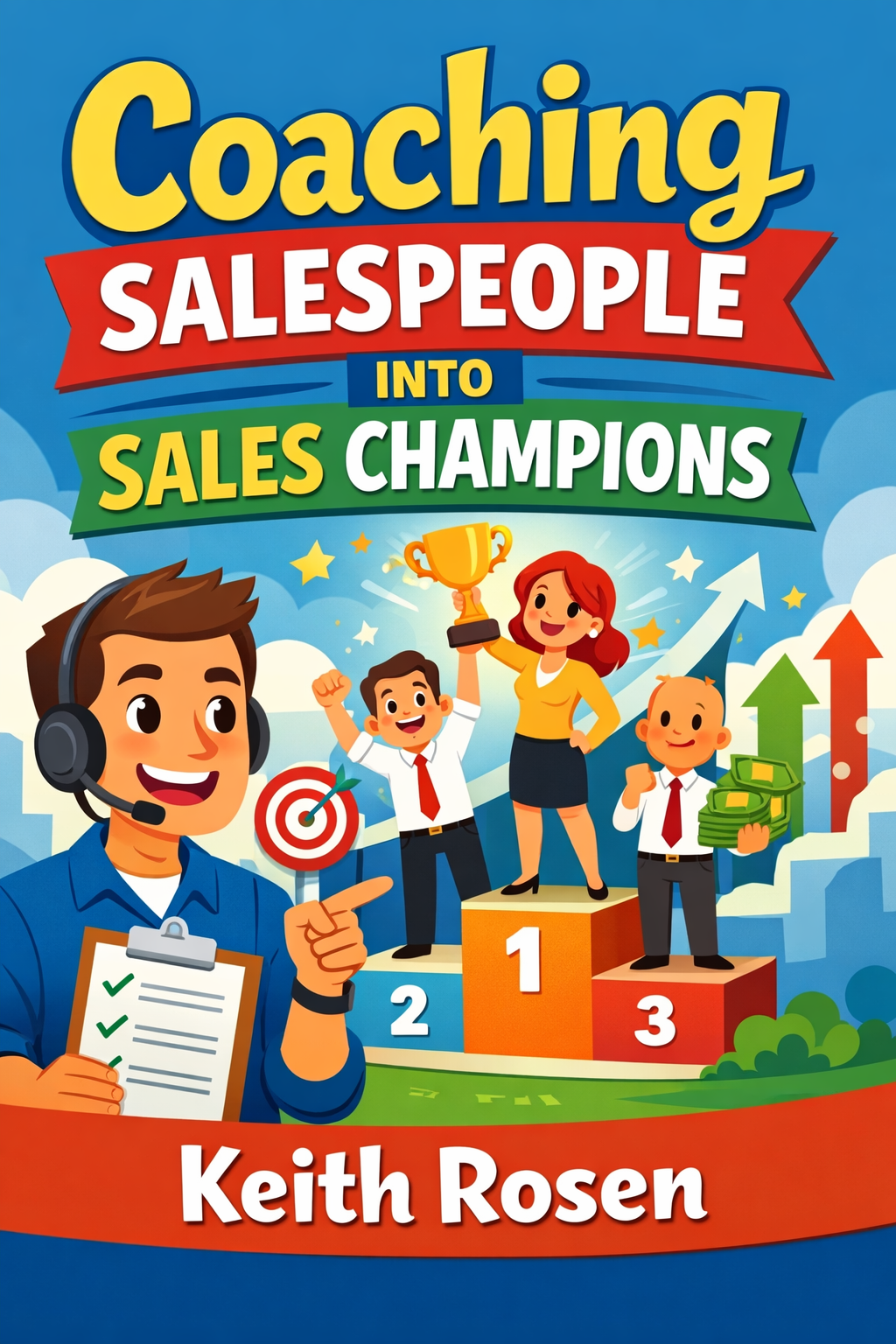
The journey from being a good sales manager to becoming a transformative sales coach requires a fundamental shift in mindset and approach. It’s not about being the top closer or the relentless enforcer of quotas. True leadership in sales mirrors that of a great sports coach: it’s about developing the individual capabilities of each team member, fostering resilience, and building a culture of accountability and continuous growth. This evolution can define the difference between a team that merely meets targets and one that consistently exceeds them, ultimately shaping the fate of the entire organization. The core challenge lies in mastering two distinct roles—the operational manager and the developmental coach—and learning to switch between them effectively.
Many managers instinctively seek external solutions like consultants or trainers when performance lags. While these can provide valuable strategies and skills, they often represent only a partial fix. The missing, and most powerful, element is consistent coaching. A consultant diagnoses a problem and prescribes a plan; a trainer imparts specific skills. A coach, however, ensures those skills are internalized and applied in the real world. This is a daily or weekly commitment, far deeper than routine sales meetings. It’s a dedicated space to uncover hidden obstacles, refine processes, and build confidence. Recognizing this distinction is the first step toward building a team engineered for lasting success.
A major barrier to effective coaching is a manager’s own fear—fear of missed targets, underperforming staff, and falling short. This anxiety traps leaders in a cycle of worrying about future outcomes or dwelling on past failures, which in turn creates a stressful environment for the entire team. When a manager’s primary interaction is demanding, “Are you hitting your numbers?” it transfers that anxiety to the sales force, poisoning relationships and even repelling potential clients. The antidote is to consciously shift focus from the stressful “what if” of future results to the actionable “what is” of the present moment. This doesn’t mean ignoring goals, but rather prioritizing the current process that leads to them.
This leads to the coach’s cornerstone philosophy: trust the process, not just the outcome. Obsessing over the end result—the closed deal, the monthly quota—is counterproductive. Instead, a great coach focuses on the series of actions and behaviors that reliably produce those results. If the process is sound and consistently executed, the outcomes will follow. This requires letting go of rigid expectations and embracing possibilities. An expectation is a fixed anticipation that often leads to frustration; a possibility is an open opportunity that empowers creativity. For example, instead of rigidly expecting twenty cold calls a day, a coach might explore the possibility of refining the call approach or better qualifying leads to improve conversion rates from fewer, higher-quality interactions.
Effective coaching is never one-size-fits-all. It demands a deep understanding of what each individual on your team truly needs and wants. A manager might see an employee content with a solid but not stellar income as underperforming, while that employee may value work-life balance over maximum earnings. Coaching is not about imposing your definition of success onto others; it’s about discovering their personal and professional aspirations and then helping them build a path to get there. This customized approach ensures that coaching conversations are relevant and motivating, rather than feeling like a generic corporate mandate. It transforms coaching from a corrective duty into a collaborative development journey.
The instinct of many managers is to solve problems for their team. An employee brings a challenge, and the manager, wanting to help, quickly provides the answer. While this seems efficient, it creates a cycle of dependency. It teaches your team to bring you every problem, rather than developing their own problem-solving muscles. The true role of a coach is not to provide the solution, but to ask the right questions that guide the salesperson to discover their own answer. This means moving away from problem-focused questions like “Why did this go wrong?” which dwell on the negative, and toward solution-oriented questions like “What’s one step you could take to improve this next time?” This method builds critical thinking, ownership, and lasting confidence.
Ultimately, successful coaching hinges on authentic connection. People do not open up, accept feedback, or embrace change from someone they don’t trust. Building this trust requires enrolling your team members through genuine, open communication. Share relevant experiences to show empathy. Use language that expands their vision, with phrases like “Imagine if…” or “Consider the possibility that…” to help them see beyond their current limitations. By creating a safe space for honest dialogue, you move the interaction from a transactional review to a transformative partnership. When salespeople feel heard, understood, and believed in, they become fully invested in their own growth and the coaching process itself, unlocking their potential to become true champions.