Description
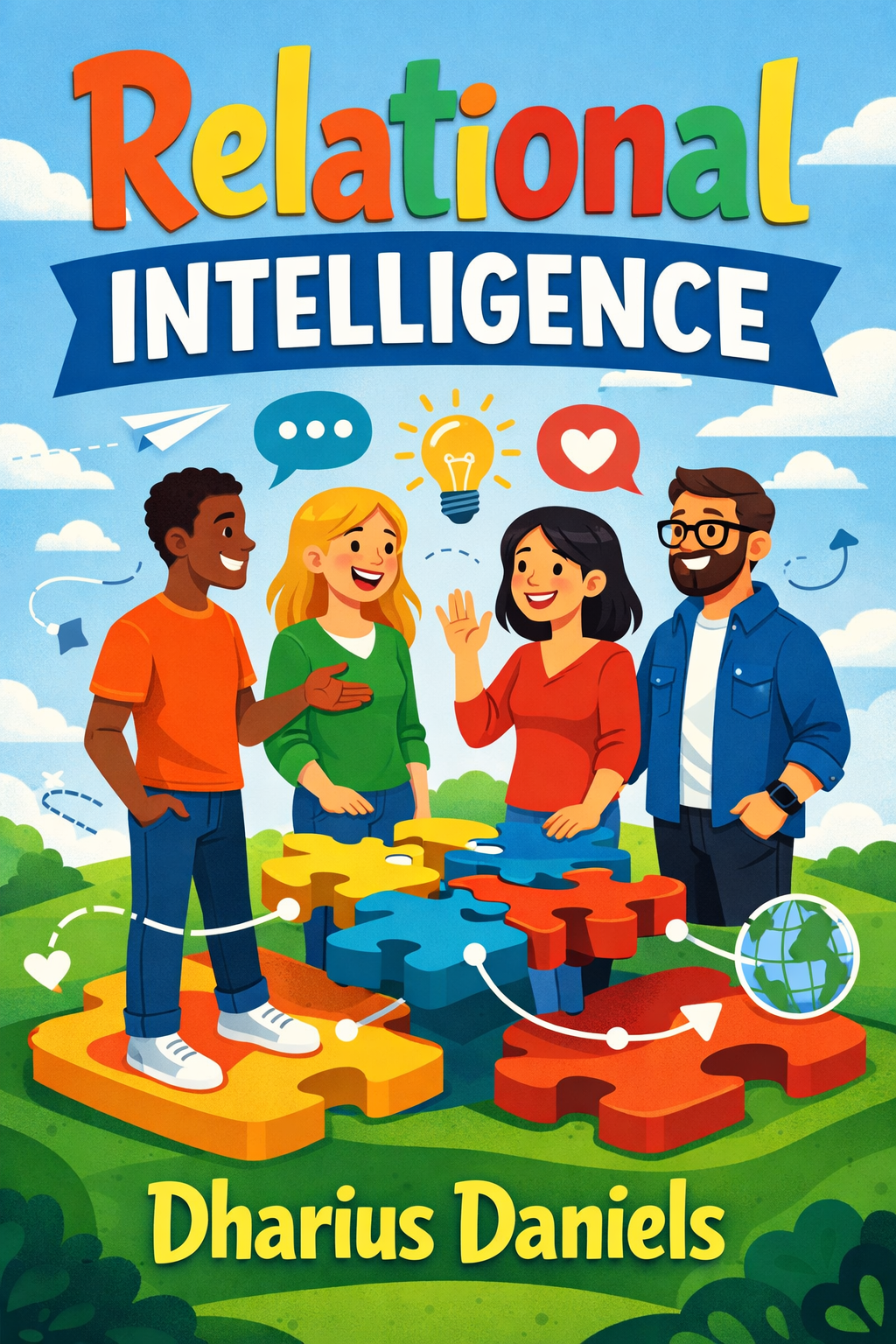
Have you ever wondered why some relationships feel like anchors, providing stability and joy, while others feel like weights, draining your energy and spirit? The answer lies in a skill we can all develop: the conscious and strategic understanding of our connections with others. This is not about manipulating people, but about cultivating the clarity and courage to build a social ecosystem that truly supports who you are and who you wish to become. It begins with a simple, yet profound, act of discernment: defining the roles people play in your life.
Not every person we share a laugh or a conversation with is destined to be a close friend. Learning to distinguish between friends and associates is the foundational step. True friends are your inner circle—individuals characterized by reliability, honesty, and a genuine investment in your well-being. They are the ones who celebrate your victories and stand by you during challenges, adding rich color and support to your journey. Associates, on the other hand, are the many people we interact with regularly—colleagues, acquaintances, neighbors—with whom we share a cordial but more superficial connection. It is perfectly healthy and necessary to treat these categories differently, offering kindness to all but reserving your deepest vulnerabilities and time for those who have earned a place of trust. Misplacing deep trust in an associate can lead to disappointment, reminding us that not every friendly face is a friend of the heart.
However, relationships are not static; they are living entities that evolve. A childhood friend may drift apart, while a work colleague may gradually become a confidant. This requires ongoing discernment—the bravery to periodically reassess where people stand in your life today, not where they stood yesterday. This process isn’t about blame or sudden rejection, but about honest observation and the protection of your inner peace. It involves asking yourself reflective questions: Does this person’s influence align with my current values and goals? Do I feel energized or depleted after our interactions? Sometimes, stepping back to gain an outside perspective, much like seeking counsel, can illuminate dynamics that are hard to see from within. Accepting that some relationships have naturally run their course or have become unhealthy is a difficult but liberating part of personal growth.
Once you have clarity, the next step moves from passive observation to active cultivation and, when necessary, courageous realignment. Think of your relationships as a garden you tend. This tending requires emotional intelligence—the ability to perceive your own feelings as guides. Your emotions signal when a boundary has been crossed or when a need is going unmet. Having a difficult conversation to redefine a relationship is an act of authenticity, not aggression. It focuses on expressing your own needs and desires for the connection, rather than cataloging the other person’s faults. Following such conversations, the establishment of clear boundaries is essential. Boundaries are not walls to keep people out, but gates that define where your responsibility ends and another’s begins. They protect your time, energy, and emotional well-being, ensuring you can show up as your best self in all your relationships. In extreme cases, when a relationship becomes toxic or abusive, realignment may not be enough, and the healthiest choice is complete separation. This is a profound act of self-respect, acknowledging that some connections cannot be salvaged without cost to your own spirit.
The final, and perhaps most important, piece of this framework is to turn the lens inward. The quality of the friendships you attract is often a reflection of the friend you are. Therefore, consistent self-assessment is crucial. Strive to embody the divine standards of friendship you hope to receive: be a supportive presence, a bearer of loving honesty, and a reliable companion. Before evaluating others, ask yourself if you are the person you would want in your corner. This practice of integrity ensures that you are not just a passive recipient of relationship dynamics, but an active architect building connections on a foundation of mutual respect and purpose. By mastering these skills—categorizing, discerning, tending, and self-assessing—you move from being at the mercy of your social world to intentionally designing one that fuels your life’s mission and fosters profound, lasting fulfillment.