Description
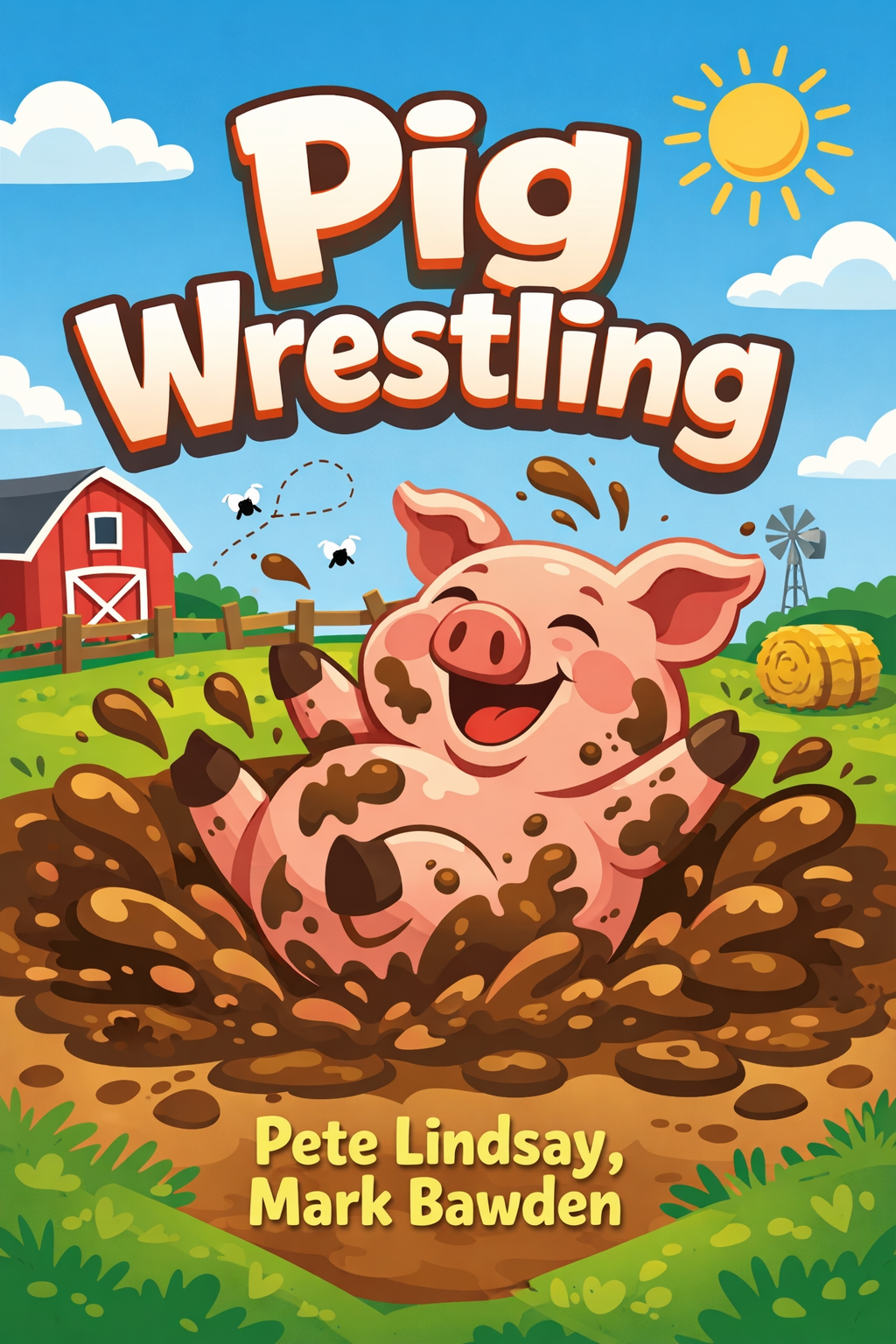
Feeling utterly defeated after months of trying to fix a toxic clash between two teams, a young manager contemplates quitting. His attempts at coaching, team-building, and restructuring have all failed, leaving him exhausted and out of ideas. Seeking a moment of peace, he visits a coffee shop in his business complex, where a perceptive barista notices his distress. Instead of offering platitudes, the barista introduces a radical notion: when you’re stuck, you’re likely wrestling with the wrong problem entirely. He compares it to wrestling a pig—you both get dirty, and the pig enjoys it. The signs of this futile struggle are feeling you’ve tried everything, facing a problem that never seems to end, and being emotionally drained by it. The barista suggests a way out: a method called the Pig Pen, a visual framework designed to clean up messy thinking and uncover the real issue.
Intrigued, the manager embarks on a journey through the complex, meeting various experts who each explain a component of the Pig Pen. His first stop is with a picture framer, who teaches him the initial steps: “Foot on the Fence” and the “Picture Frame.” “Foot on the Fence” is the crucial act of pausing to gain perspective before diving into action. It involves asking key questions: How is this truly a problem for me? Have I seen the situation directly, or am I relying on second-hand reports? Does this actually need fixing right now? This pause prevents a headlong rush into the mud. Next, he learns that every problem comes with a “Picture Frame”—the definition we unconsciously place around it. Defining a situation as a “personality clash” versus a “process failure” leads to wildly different solutions. The framer shares the story of a team building a human-powered airplane; they only succeeded after redefining their goal from “create a perfect flying machine” to “build a plane we can crash and repair quickly,” which allowed for rapid experimentation. To clean the lens of perception, the manager is given the “Red Bucket and Sponge.” These represent the need to scrub away the unhelpful stories and labels we attach to problems, which often obscure a simpler reality. A classic example is an airport that reduced bathroom messes by 80% not with signs, but by etching a small fly into each urinal, thereby reframing the “behavioral” problem into one of simple aim.
Armed with this new way of looking, the manager ascends to a vibrant marketing department, where he learns about the “Feeding Trough.” This concept reveals how our very solutions can unintentionally nourish the problem we’re trying to solve. The lesson is illustrated by a historical case from Hanoi, where officials offered a bounty for rat tails to curb the rat population. Instead, entrepreneurial citizens began breeding rats for their tails, exploding the population. The solution fed the problem because it was based on a flawed definition of success. The marketing head then introduces the “Crystal Ball,” a tool to flip the script. Instead of obsessing over *how* to solve the problem, she advises first picturing in vivid, concrete detail what success would look like. How would you know the problem was gone? What specific, observable changes would exist? When the manager applies this to his team conflict, he realizes his desired outcomes are vague and, worse, often confuse a specific solution (like submitting paperwork) with the actual goal (sharing information efficiently). This confusion locks us into pushing harder on broken methods.
Descending to the building’s gym, the manager meets a sports coach who introduces two more powerful tools: “Gold Nuggets” and “Pink Bungee Cords.” “Gold Nuggets” are those fleeting moments when the persistent problem mysteriously disappears. The coach’s pivotal question is: “When and where does this problem *not* happen?” By studying these exceptions—these nuggets of gold—we can discover what already works. The manager recalls a rare productive meeting between his feuding team leads that occurred spontaneously in a coffee shop, not the formal conference room. This was a gold nugget. “Pink Bungee Cords” represent the contextual factors—the people, places, routines, and rules—that pull people back into problematic behavior, holding the problem tightly in place. The coach’s “Spot the Difference” method involves meticulously comparing the conditions of the problem state with the conditions of the gold nugget state. The differences reveal the hidden cords. He shares an anecdote about a footballer who excelled in away games but faltered at home; the key difference was sleep disruption caused by his newborn twins, a contextual cord easily addressed once spotted.
Finally, the manager circles back to the wise barista for a synthesis. The barista explains the last piece: “Strengths Used Too Much.” Our greatest strengths, when over-applied, can become liabilities that perpetuate problems. A leader’s decisiveness can become authoritarianism; a planner’s thoroughness can become paralyzing inertia. The key is to recognize when a virtue has become a vice in a given context. With the complete Pig Pen framework in mind—from pausing and reframing to spotting gold nuggets and contextual cords—the manager sees his team conflict in a transformative new light. He realizes he’s been trying to “fix” personalities, when the real issue lies in the context and the flawed systems he himself helped create. The book closes not with a magical cure, but with the manager feeling equipped. He now has a practical, repeatable process to step out of the mud, clean his perspective, and engage with challenges not as a frantic wrestler, but as a thoughtful architect of change.