Description
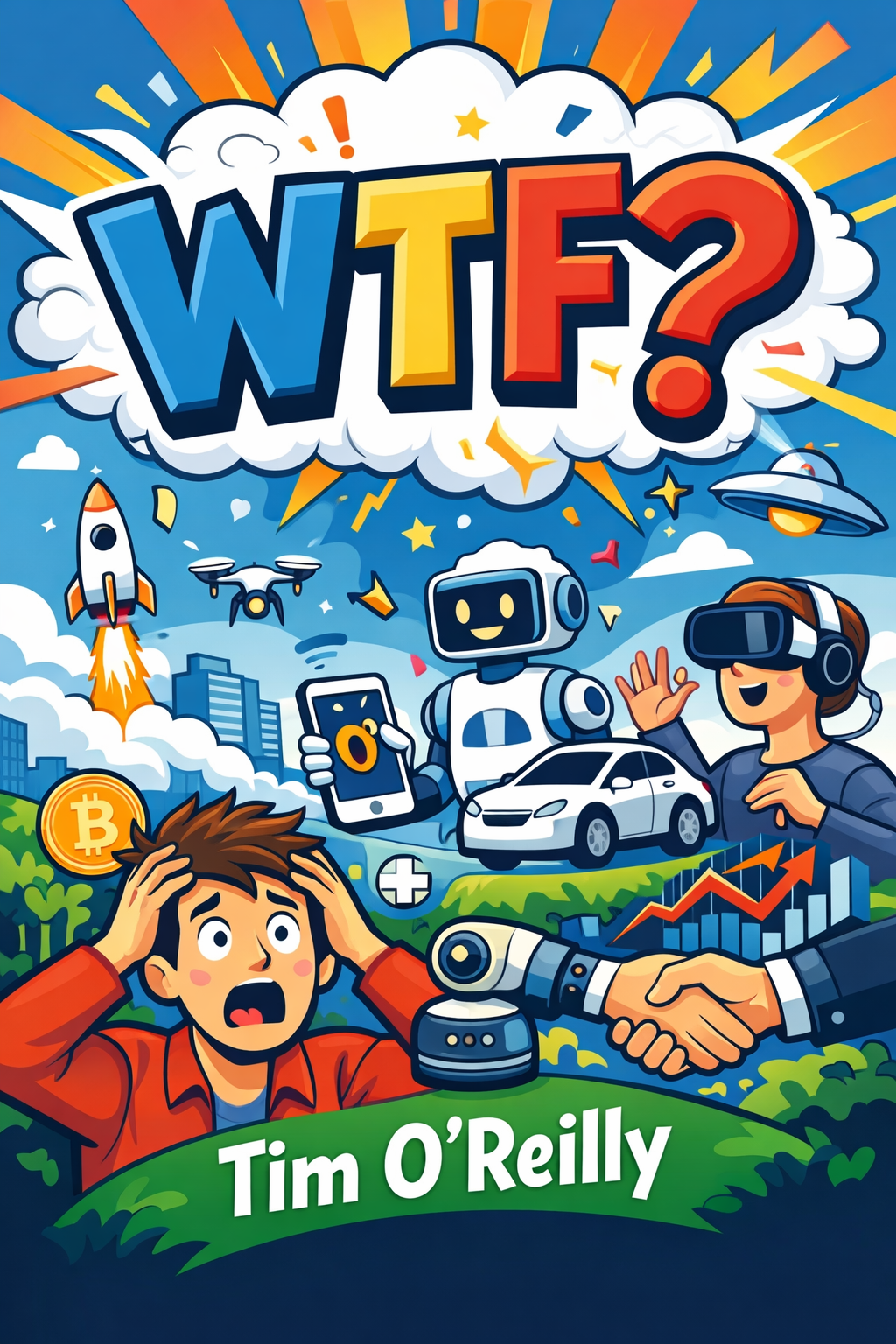
The feeling is universal: a mix of awe and unease as another piece of smart technology seamlessly integrates into daily life. This book is an exploration of that very tension, dissecting the two fundamental forces driving this silent revolution: the rise of digital platforms and the pervasive intelligence of algorithms. It argues that to understand the modern world—from how we work and govern to how we get news and manage money—we must first understand these twin engines of change.
The story begins not with a corporate giant, but with a philosophy of openness. The closed, proprietary software systems that once dominated were challenged by a collaborative model where code was freely shared and improved by a global community. This “bazaar” approach, contrasted with the secretive “cathedral” of traditional software development, became the blueprint for the platforms that now underpin our digital experiences. Companies like Uber or Amazon don’t just sell services; they host ecosystems, connecting users and providers in vast, self-sustaining networks. But these complex systems would be impossible to manage without the silent, constant hum of algorithms. These sets of rules, capable of processing data at superhuman speeds, act as the central nervous system of every platform, coordinating everything from ride-sharing routes to product recommendations. They operate with a form of artificial intelligence, executing tasks independently once set in motion.
This platform model holds transformative potential beyond commerce. Imagine a large corporation structured not as a rigid hierarchy, but as a collection of small, autonomous “two-pizza teams,” each focused on a specific goal and free to innovate. This mirrors how platforms work, distributing agency and enabling rapid adaptation. This concept could even be applied to governance, shifting the state from a monolithic “vending machine” dispensing standardized services to an agile orchestrator. Instead of presuming to solve every problem itself, such a government could coordinate citizens, communities, and businesses—much like Apple hosts the App Store for developers—to collaboratively address issues, enabling a smaller administration to facilitate much larger outcomes.
Algorithms are doing more than just enabling platforms; they are restructuring the very logic of work. Inspired by evolutionary biology, some algorithms use “fitness functions” to spawn, test, and eliminate smaller programs, keeping only the most efficient—a digital survival of the fittest. This creates systems that constantly self-optimize, like a search engine learning which results are most relevant. Yet, for all their power, algorithms lack common sense. They are like the djinns of myth: immensely powerful servants that grant wishes literally, often with unintended consequences. They will pursue a programmed goal—maximize clicks, execute trades—with single-minded obedience, blind to collateral damage. Humans thus become managers of these digital factories, overseeing processes and intervening when the algorithmic workforce goes astray.
This potential for unintended harm is already manifesting in critical areas. In media, social media algorithms designed to maximize engagement create filter bubbles and amplify fake news. They are not programmed to value truth or diverse perspectives, only traffic, leading to a fractured public discourse. In finance, the danger is even more profound. The marriage of a shareholder-value obsession with high-frequency trading algorithms has created a market that operates at speeds beyond human comprehension or control. These algorithms, tasked solely with securing microsecond advantages and short-term profit, have contributed to volatile markets and systemic crashes. This isn’t a sci-fi nightmare of malicious robots, but a systemic issue where powerful tools, given narrow goals, operate without regard for broader human stability.
Naturally, this automation sparks deep anxiety about the future of work. The concept of “technological unemployment”—where technology renders jobs obsolete faster than new ones are created—is a palpable fear for many. From automated tellers to algorithmic analysts, tasks are being reassigned from humans to machines, driven by the relentless logic of efficiency and cost. This displacement is real and accelerating, challenging the very infrastructure of employment that has defined societies for generations.
However, the path forward is not one of mere resistance. The solution lies not in halting progress, but in strategically adapting to it. This means a massive commitment to re-skilling the workforce, preparing humans for the creative, managerial, and interpersonal roles that machines cannot fulfill. It also involves “digitally augmenting” workers, using technology as a collaborative tool to enhance human capabilities rather than simply replace them. Ultimately, harnessing these technologies for universal benefit requires a shift in both regulation and mindset. We must move beyond fear and outdated frameworks to create rules that ensure algorithmic accountability, platform fairness, and a more equitable distribution of technology’s vast rewards. The future is not predetermined. By understanding the profound forces of platforms and algorithms, we can steer them toward creating a world that works for everyone.