Description
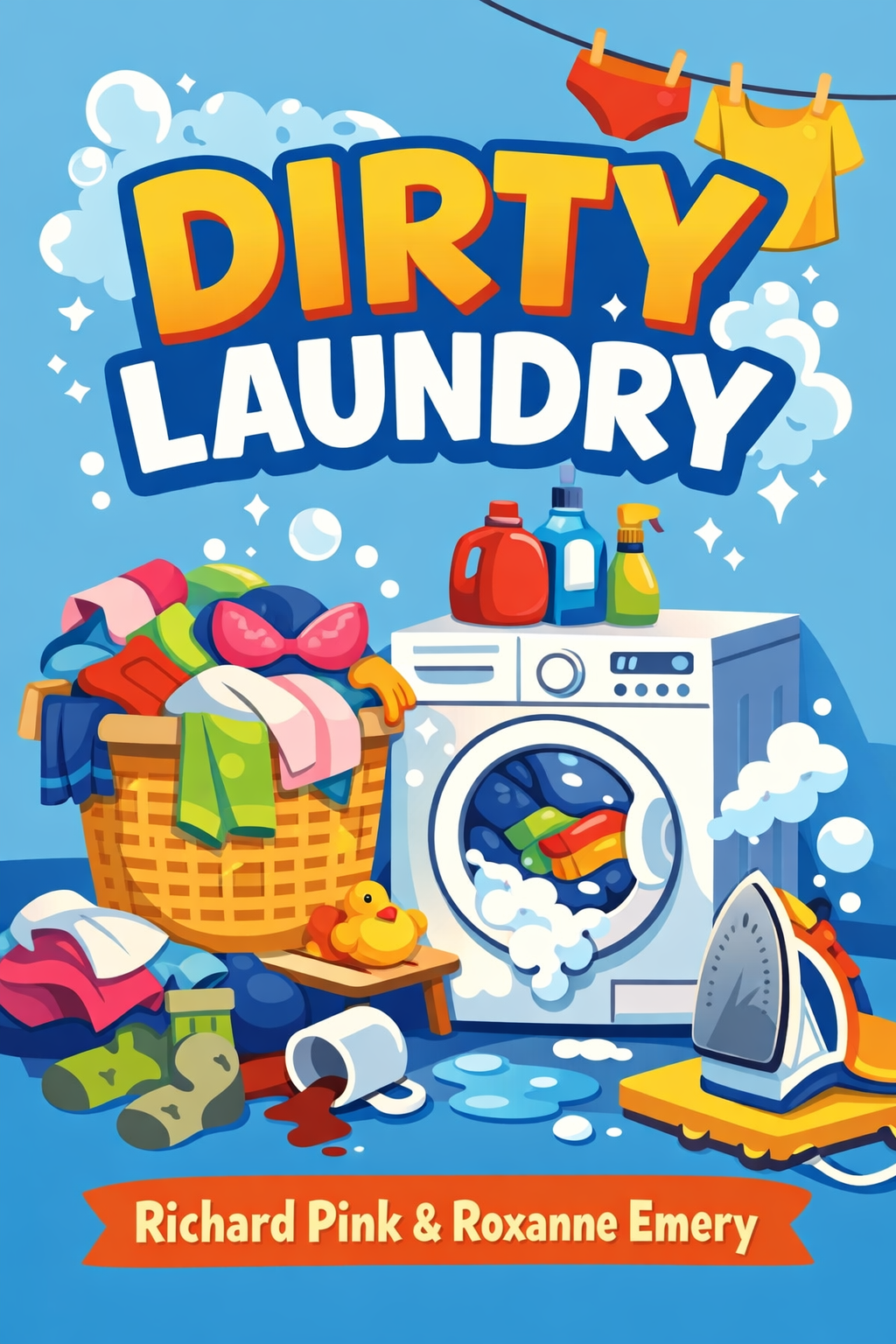
Dirty Laundry is a heartfelt and practical guide that transforms the conversation around Attention Deficit Hyperactivity Disorder. Through the lens of a neurodiverse relationship, it dismantles the shame and judgment that so often accompany an ADHD diagnosis, replacing them with understanding, actionable strategies, and profound self-acceptance. The core message is liberating: you are not broken, lazy, or careless. Your brain simply operates on a different, equally valid, operating system.
The journey begins by addressing the profound frustration of constantly losing everyday items. For the ADHD mind, this isn’t a character flaw but a neurological reality. The book encourages a radical shift from self-scolding to self-compassion. Instead of layering on reminders that become new things to forget, the path forward involves acceptance and smart systems. By acknowledging that losing things will happen, you can prepare with spare keys, designated spots, and the support of understanding partners. The emotional regulation that comes from this acceptance—using techniques like mindful breathing—is often more valuable than finding the lost item itself.
One of the most pervasive challenges explored is the concept of time blindness. This isn’t mere lateness but a fundamental difference in perceiving the passage of time, where five minutes and fifty minutes can feel indistinct. The book advocates for brutal honesty with oneself and others. It suggests abandoning the fantasy of beating the clock and instead building in generous buffers. Reframing chronic lateness with humor, or openly communicating your challenges, can relieve immense social pressure. For partners and friends, the advice is to offer gentle, proactive support—like handling flight logistics—rather than repeated disappointment.
The narrative then delves into the double-edged sword of hyperfocus, dubbed the world’s worst superpower. This state of deep, involuntary immersion can lead to impressive expertise in obscure topics, often mistakenly labeled as giftedness. However, when this laser focus strikes on something other than pressing responsibilities, it can wreak havoc. The book normalizes this experience and encourages individuals to release the burden of the “gifted child” label. It frames hyperfocus not as obsession but as a unique cognitive state to be enjoyed mindfully, with safeguards against burnout and impulsive decisions made within its grip.
Task avoidance is recast not as laziness but as the brain’s rebellion against the “should.” It’s the perplexing urge to deep-clean the oven when a crucial report is due. Managing this requires recognizing the pattern without self-judgment. Strategies include naming the avoidance when it happens and, where possible, tackling the most important task first to clear mental space. The perspective shifts to celebrate productivity in any form, even if it’s misdirected. For loved ones, the book advises curiosity and engagement over nagging, understanding that this avoidance is intertwined with creativity and passion.
The exploration of object constancy sheds light on the social struggles many face. When people or tasks are out of immediate sight, they can fade from the ADHD mind’s active awareness, leading to strained friendships and guilt over unanswered messages. The solution lies in ditching conventional social scripts and setting clear, compassionate expectations with friends. Being upfront about communication styles and scheduling real-time interactions can preserve relationships. Practical tips, like not opening a message until you can reply, help manage the digital shame spiral.
Finally, the book reframes impulsivity, often seen as a purely negative trait, as a source of spontaneity, joy, and authentic connection. The key is to channel this energy positively and create safe boundaries for its expression. Throughout, the central theme is partnership. For the neurotypical partner, it’s about moving from frustration to compassionate support—becoming a teammate who helps build systems rather than a critic who doles out blame. For the ADHD partner, it’s about self-advocacy and releasing a lifetime of accumulated shame. Together, they can learn to appreciate the unique rhythms of an ADHD mind, not as a disorder to be fixed, but as a different way of being to be understood and embraced. Dirty Laundry ultimately offers a hopeful, life-affirming manual for building a manageable and joyful life, on your own terms.