Description
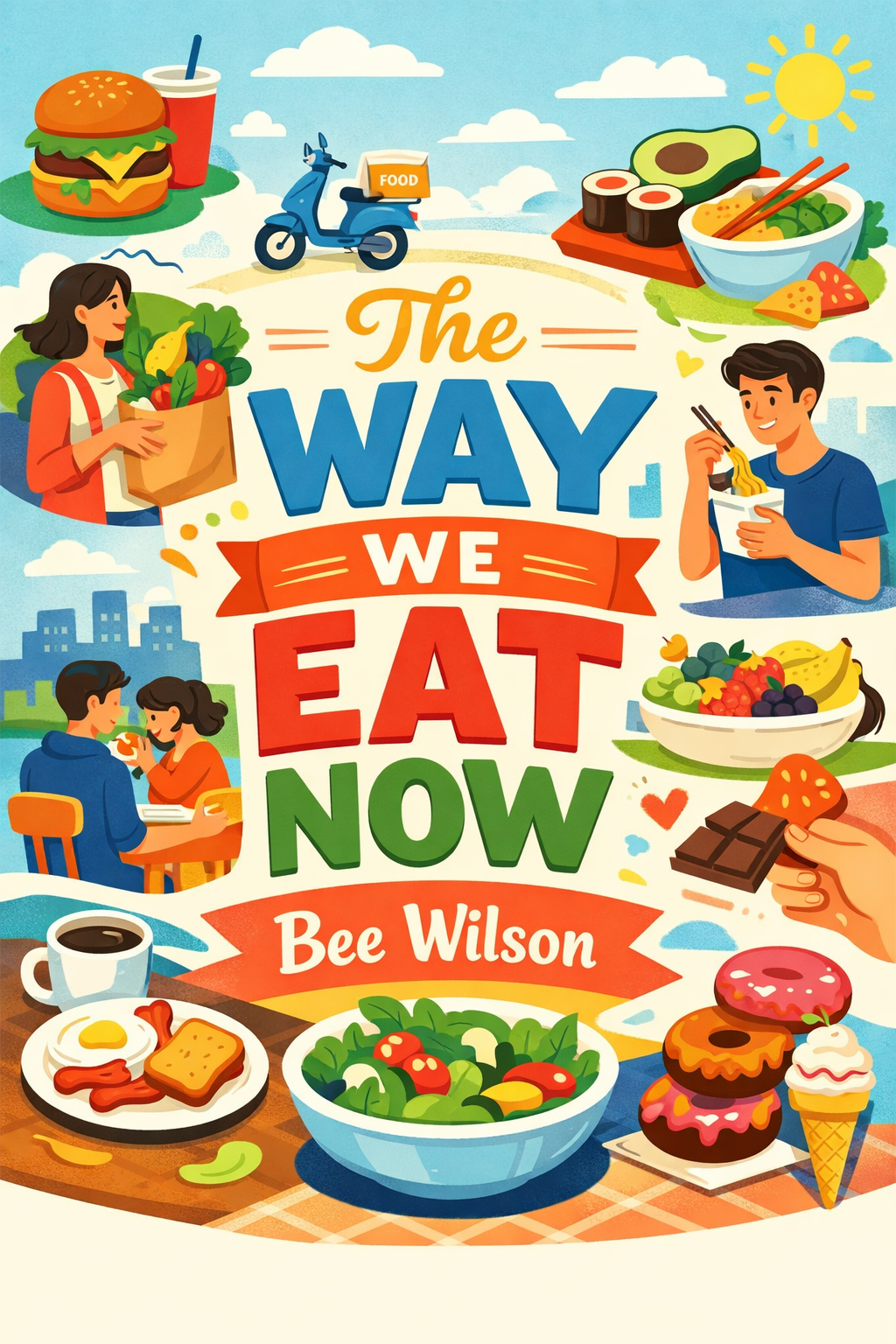
We are living through the most radical and rapid transformation in human eating habits in history. While our ancestors faced scarcity, today’s world is defined by a staggering abundance of food, yet this plenty has not translated into widespread health. Instead, we find ourselves in a global dietary crisis where obesity and diet-related diseases like diabetes have become more common than undernourishment. This book explores the complex web of factors that have created this modern food paradox, moving from the biological mismatches in our own bodies to the vast economic machinery shaping what ends up on our plates.
Our journey begins by recognizing that the human body, shaped by millennia of evolution, is ill-equipped for the sudden onslaught of the contemporary diet. For generations, diets changed slowly, allowing cultures to adapt. Now, changes are seismic and swift. Consider the case of a generation in India, where babies born to mothers who experienced childhood scarcity entered a world of sudden food abundance, their metabolisms tragically mismatched to their new environment and leading to a surge in type-2 diabetes even among the young and thin. This biological confusion extends to our perception of what constitutes food. We now drink a meal’s worth of calories daily through sodas and juices, beverages that our brains and bodies don’t register as filling, leading to a silent, steady overconsumption of sugar and empty calories.
The engine of this change is the rise of ultra-processed foods. These are not simply cooked ingredients but industrially formulated concoctions, designed for maximum shelf-life, addictiveness, and profit. They have quietly displaced wholesome staples in diets worldwide, even in developing nations receiving foreign aid. A key, often overlooked, ingredient in this revolution is cheap vegetable oil, particularly soy oil, whose global production has skyrocketed. It is the caloric backbone of countless snacks and ready-meals. As the real cost of these processed items falls, the relative price of fresh fruits and vegetables rises, making the unhealthy choice the economically rational one for many. Similarly, rising global incomes often first manifest in diets not with kale and quinoa, but with a surge in consumption of processed meat, seen as a symbol of prosperity over traditional grains.
How we eat has transformed as profoundly as what we eat. The shared, sit-down meal is becoming a relic, eroded by longer work hours, fragmented schedules, and the cult of busyness. We eat alone at desks, in cars, or on the street. The leisurely Spanish siesta or the communal factory lunch break have been supplanted by ten-minute windows scavenged from a demanding day, often filled with a quick bite from a vending machine or a fast-food outlet. This shift has fueled a global snack explosion, with entire industries booming by selling us portable, ultra-processed calories that fit our harried lives. The ritual and social bonding of mealtimes are lost, and with them, a natural regulator of how and how much we consume.
These changes are amplified and accelerated by globalization. A food trend in one wealthy nation can reshape agriculture and economies on the other side of the world, often with hidden costs. The demand for “superfoods” like quinoa or avocados can strain local ecosystems and make traditional staples unaffordable for the communities that grow them. Furthermore, the food industry thrives on deception—marketing sugary drinks as healthy, using labels that highlight one natural ingredient while obscuring a dozen artificial ones, and co-opting the language of wellness to sell essentially the same processed products. Dining out, once a special occasion, is now a regular source of often oversized, calorie-dense meals, while supermarket layouts are meticulously engineered to promote impulsive purchases of unhealthy items.
In reaction to this overwhelming and often unhealthy abundance, many are retreating into self-imposed restriction. The modern eater is confronted with a dizzying array of choices, leading to anxiety and a search for control through diets and rules—vegan, paleo, keto, gluten-free. While some pursue these paths for ethical or genuine health reasons, for others it becomes a way to navigate a confusing and untrustworthy food landscape. Simultaneously, a counter-movement of home cooking has been revitalized, fueled by celebrity chefs and online recipes. Yet, this “foodie” culture often presents its own barriers, promoting expensive, niche ingredients and time-intensive techniques that are out of reach for many, creating a new kind of dietary divide.
The picture is undoubtedly challenging, but it is not hopeless. The book concludes by charting a path toward a healthier and more sustainable food age. Change is possible and is already happening in pockets. It requires a multi-faceted approach: governments must have the courage to implement smart policies like sugar taxes and honest labeling. Entrepreneurs and technologists can develop truly healthier and more accessible alternatives. Most importantly, we can reclaim our own agency by rediscovering the joy of cooking, prioritizing shared meals, and becoming more mindful, critical consumers. The goal is not to return to a mythical past, but to forge a new relationship with food—one that respects our health, our communities, and our planet, turning the age of plenty into an age of true nourishment.