Description
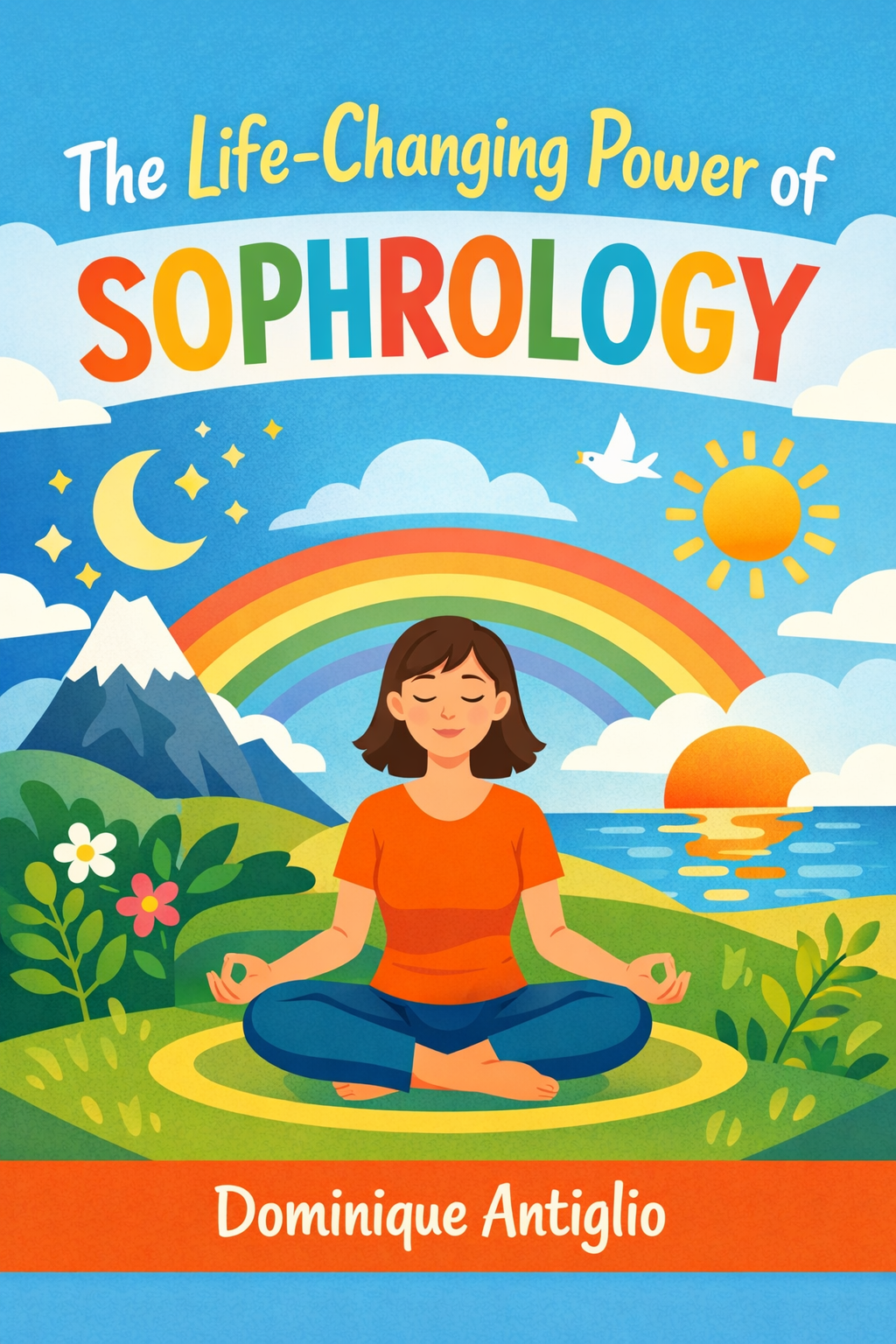
In our demanding world, daily challenges often leave us feeling anxious, stressed, and overwhelmed. Conventional solutions don’t always address the root of this unease, which lies in the disconnect between our busy minds and our physical selves. There exists a gentle yet powerful method to bridge this gap and cultivate resilience: sophrology. Created by Dr. Alfonso Caycedo, this structured practice artfully combines the breathwork and body awareness of Eastern traditions like yoga and Zen with the analytical understanding of Western psychology and neurology. The result is a uniquely adaptable system designed not to escape life’s pressures, but to change how we experience them, fostering a state of harmonious balance.
The journey begins with the foundational practices, which are essential for establishing a connection with oneself. This starts with the Body Scan, a simple exercise of mentally moving through different zones of the body while breathing deeply. By consciously noting sensations and tensions, we draw a distracted mind into the present moment within the body. This act of focused attention initiates a “relaxed-alert” state, a core sophrology principle where the body releases stress while the mind becomes calmly aware. It is from this centered place that deeper transformation becomes possible.
Building on this foundation, the first level of the practice introduces gentle, deliberate movements synchronized with the breath. An exercise like the Head Rotation—slowly turning the head side to side while inhaling and returning to center on the exhale—serves a profound purpose. It grounds us physically, increases oxygenation, and clears mental clutter. This positive balancing act, requiring only minutes a day, strengthens the mind-body link. Through consistent repetition, these exercises become a reliable anchor, restoring energy and improving focus by systematically releasing the stored tensions of daily life.
Sophrology also provides a set of dynamic “supertools”—quick, imaginative techniques to manage negativity in real-time. When critical inner voices or stressful thoughts arise, tools like “The Bag” offer a creative outlet. This involves visualizing a bag, mentally filling it with all that bothers you, and then, in a symbolic physical gesture, destroying it and releasing the remnants to be transformed. While it may seem playful, the process effectively interrupts negative thought patterns, creating psychological distance and leaving a tangible sense of lightness and regained control. These tools empower you to become your own on-the-go healer.
This practical philosophy extends to improving fundamental well-being, such as sleep. Instead of fighting for rest, sophrology uses tools to prepare the mind and body for it. A technique like “The Bubble” involves visualizing a protective sphere around yourself at bedtime, a symbolic barrier against the day’s worries and tomorrow’s tasks. By consciously placing anxieties outside this bubble, you create a mental and emotional space conducive to surrender. This practice of intentional release guides the nervous system away from its alert state and into one of safety, making way for natural, restorative sleep.
The work of sophrology also gently addresses our relationship with time itself. It helps us process past experiences not by reliving trauma, but by acknowledging sensations and memories with compassion in the present moment, allowing us to integrate them without being controlled by them. Similarly, it transforms anxiety about the future through positive visualization. By vividly imagining a desired future outcome—like a successful presentation—and fully feeling the positive sensations of that success in the body now, we build new neural pathways. This replaces fear with a sense of capability, turning the future from a source of worry into a field of potential.
Ultimately, sophrology is a journey of conscious living. It is a structured yet flexible path that teaches you to listen to your body, manage your thoughts, and reclaim your energy. By practicing its principles, you move from being passively shaped by external events and internal anxieties to actively participating in your own well-being. It offers not a temporary fix, but a sustainable way to cultivate inner harmony, face life’s uncertainties with calm strength, and unlock a more positive and empowered version of yourself.