Description
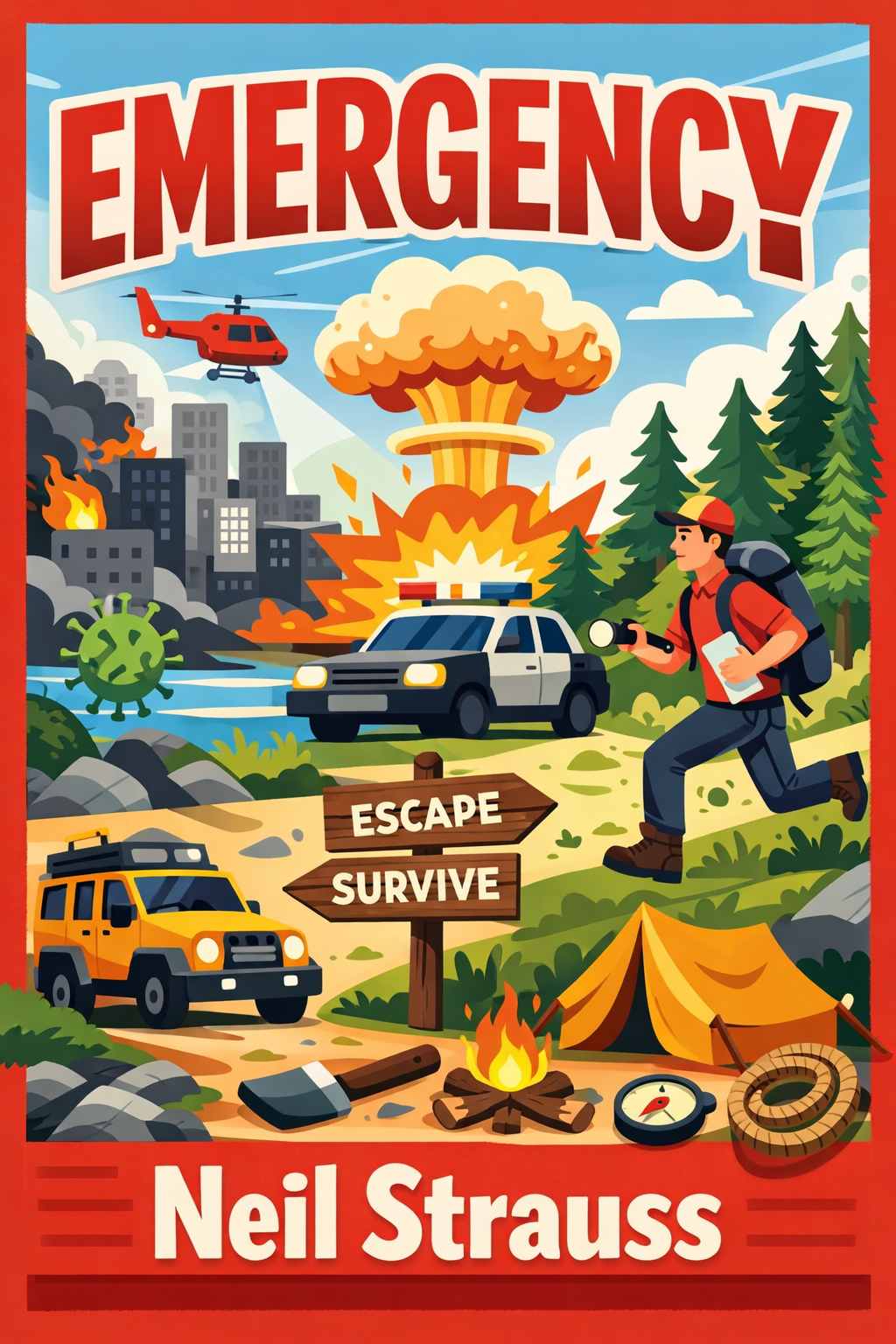
The modern world feels increasingly fragile, shadowed by natural disasters, economic instability, and the specter of conflict. This book is a journey into the practical mindset and skills of preparedness, exploring how one might endure if the fundamental structures of society—electricity, law, supply chains—were to suddenly vanish. It moves beyond fear to a clear-eyed examination of what genuine survival requires, arguing that in an uncertain age, proactive preparation is not paranoia but a form of empowerment.
Preparation begins with a philosophy of breadth. Since the nature of a potential catastrophe is unknowable, a survivalist must cultivate a wide array of capabilities. This could mean knowing how to purify water, perform emergency first aid, build a fire, or operate various vehicles. The core idea is to develop a toolkit of knowledge and resources adaptable to countless scenarios, from a hurricane that cuts off utilities to a conflict that makes cities untenable. The recent past, marked by events that once seemed unthinkable, demonstrates that preparedness is not for a single predicted event, but for the unexpected itself.
How one prepares is deeply influenced by their view of human nature in crisis. Some believe that the thin veneer of civilization would quickly fracture, leading to a violent, every-person-for-themselves struggle; this mindset often leads to stockpiling weapons and building fortified retreats. Others hold a more communal view, like permaculturists who design self-sufficient ecosystems where cooperation ensures sustainability for a group. At the far end of the spectrum are primitivists, who seek to sever all ties to modern technology and master the ancient skills of wilderness survival, seeing the natural world as the ultimate refuge. Your survival strategy will inevitably reflect which of these human portraits you believe to be most accurate.
A critical strategic layer for many is geographical redundancy—having a place to go. The book argues that in a full-scale national disaster, borders may slam shut, trapping citizens. Therefore, securing a second citizenship in a stable country can provide a vital escape hatch. This process can be arduous, requiring significant investment of time, money, or both, through routes like property investment, ancestry claims, or other legal loopholes. The goal is to transform yourself from a citizen of a single, potentially vulnerable state into a global citizen with options, ensuring you are not at the mercy of one government’s collapse.
Escape requires more than a destination; it requires a plan to get there. Serious preparation involves mapping multiple routes out of your home region and pre-positioning supplies along those paths. These hidden caches, containing fuel, food, water, and other essentials, become lifelines during a frantic flight. Your choice of vehicle is equally tactical. A motorcycle can navigate gridlocked highways and mountain trails, a sailboat offers escape from coastal congestion with a potential for food and water, and for those with extreme means, even personal aircraft like an autogyro are considered to bypass terrestrial dangers entirely.
Once the immediate escape is managed, long-term survival hinges on self-reliance. The book soberly notes that in major disasters, government aid can be slow or absent, as history has shown. Therefore, individuals must learn to provide for themselves. This includes knowing how to find water in a home’s hidden reservoirs, like a heater tank, and mastering practical skills. For many survivalists, paramount among these are firearm and blade proficiency. These tools are framed not as offensive weapons but as essential instruments for defense, hunting, and crafting in a world where such utilities may no longer be available. Training in their effective and safe use is presented as a grim but necessary discipline.
For the urban dweller, a unique set of threats and skills comes into play. If society fractures within a city, navigating that concrete jungle becomes a matter of evasion and stealth. Specialized courses, often designed for military personnel, teach urban survival tactics: picking locks, escaping restraints, concealing one’s identity, and commandeering vehicles. This training prepares one to move unseen and self-rescue in an environment turned hostile, where normal routes are blocked and danger can come from any doorway.
Ultimately, this guide is about cultivating an active relationship with fear and stress. By acquiring knowledge and practicing skills—from emergency medicine to handling high-pressure situations—one transforms anxiety into capability. The goal is not to live in dread of the future, but to build a foundation of competence that provides confidence in the face of the unknown. It concludes that the most vital preparation is the shift in mindset: from passive hope that institutions will always provide, to a proactive commitment to being able to care for yourself and your loved ones, no matter what history throws your way.