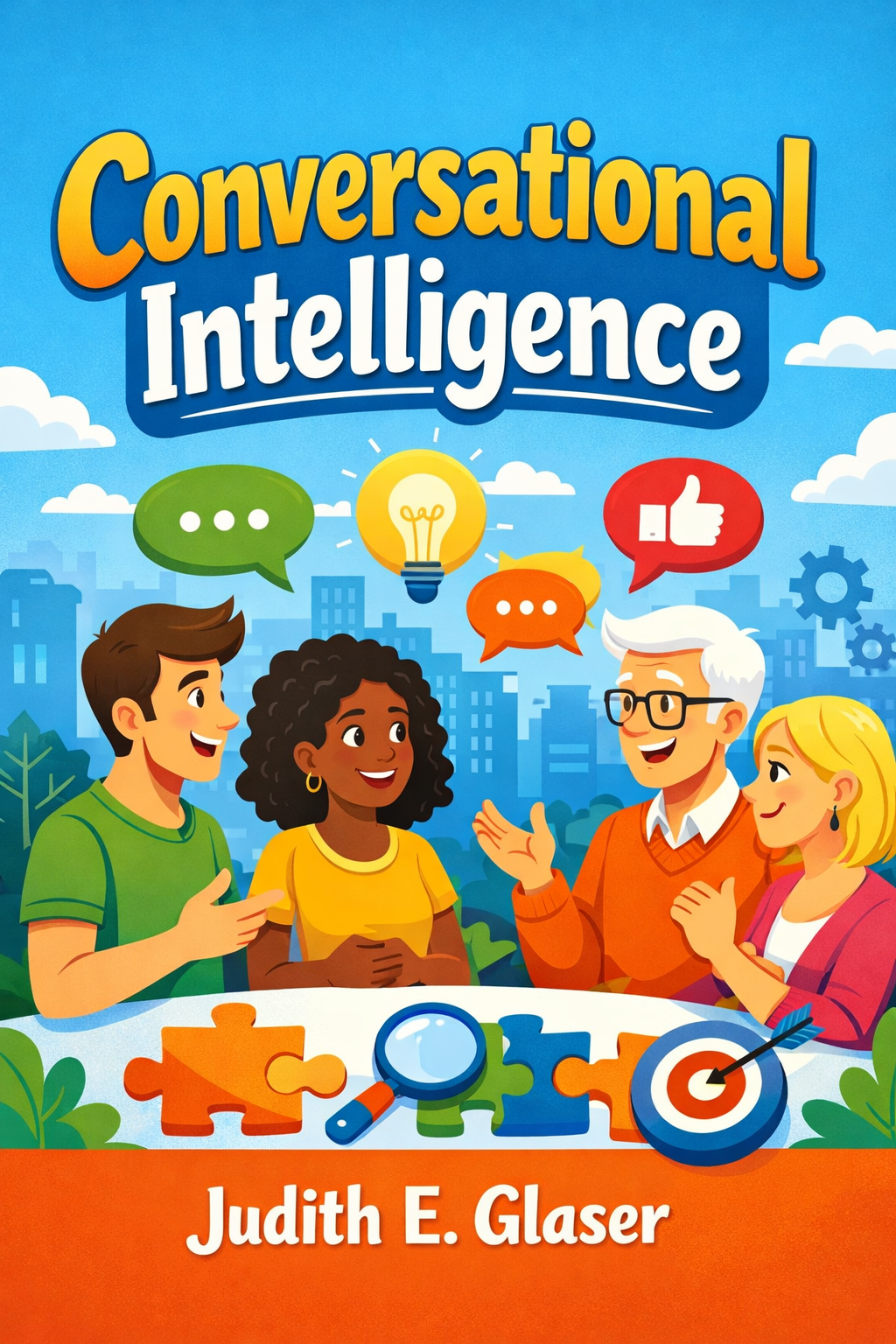
Description
Every conversation you have is more than an exchange of words; it is a complex neurological event that fundamentally shapes your relationships and outcomes. This exploration into conversational intelligence reveals that our interactions trigger powerful chemical reactions in the brain, which in turn dictate whether we build bridges or walls with others. When we feel threatened or judged, our brains flood with cortisol, a stress hormone that puts us into a defensive, protective state. Our thinking narrows, trust evaporates, and collaboration becomes nearly impossible. Conversely, when we feel safe, respected, and heard, our brains release oxytocin and dopamine, chemicals that promote bonding, creative thinking, and open engagement. Understanding this biological foundation is the first step toward mastering the art of connection. By consciously shaping the emotional climate of our dialogues, we can steer interactions toward trust and mutual discovery.
Communication operates on distinct levels, each serving a different purpose and yielding different results. The most basic level is transactional, focused on confirming facts and exchanging simple data. While necessary, these conversations rarely foster innovation or deepen relationships. The next level involves advocacy and debate, where individuals share and defend their perspectives. This can be productive but often remains a competition of ideas. The most transformative level, however, is characterized by shared exploration. Here, participants combine deep trust with genuine curiosity to co-create new understanding and possibilities. Moving a conversation to this highest level requires intentional shifts: asking open-ended questions, listening to understand rather than to reply, and prioritizing mutual discovery over being right. It is in this collaborative space that breakthroughs occur, relationships are strengthened, and entirely new paths forward are imagined.
Cultivating this level of dialogue requires tending to the ecosystem of trust, much like a gardener nurtures a plot of land. Every interaction either enriches or depletes the soil in which connection grows. Patterns of transparency, consistent follow-through, and authentic curiosity act as nutrients. In contrast, habits like withholding information, dismissing ideas, or interrupting others introduce toxins that poison the relational ground. The health of this ecosystem is visible in the responses of those around you. Do people offer their ideas freely? Do they admit mistakes without fear? By regularly reflecting on your own conversational patterns—noting how often you ask versus tell, or how you handle disagreement—you can make small, consistent adjustments that transform the environment. This mindful cultivation turns everyday exchanges into opportunities to strengthen the bonds that enable great achievement.
Even with the best intentions, we all have blind spots that hinder our communication. These are the unconscious patterns and assumptions that distort our perception and messages. A major blind spot is the assumption that we understand another person’s intent, often projecting our own fears or history onto their neutral actions. We also routinely overestimate how clearly we have communicated our own thoughts, forgetting that others lack the full context in our minds. Furthermore, our emotional state—stress, fatigue, excitement—colors our tone and choice of words in ways we frequently fail to recognize. Shining a light on these blind spots requires deliberate practices: checking our interpretations by asking clarifying questions, explicitly sharing the context behind our statements, and developing self-awareness around our emotional triggers. By acknowledging that our view is partial, we open the door to truly seeing and being seen by others.
Ultimately, conversational intelligence provides a powerful toolkit for navigating the human landscape of connection. It begins with the awareness that words are not just symbols but neurological triggers. By applying this knowledge, you can design conversations that minimize threat and maximize psychological safety. You learn to identify and shift between different levels of dialogue, aiming for those rare, co-creative exchanges. You commit to nurturing trust through consistent, positive communication habits. And you develop the humility to seek out and address your own blind spots. This integrated approach transforms communication from a mundane life skill into a strategic art form. It empowers you to build unparalleled trust, unlock collective intelligence, and turn even the most challenging discussions into catalysts for growth and innovation.