Description
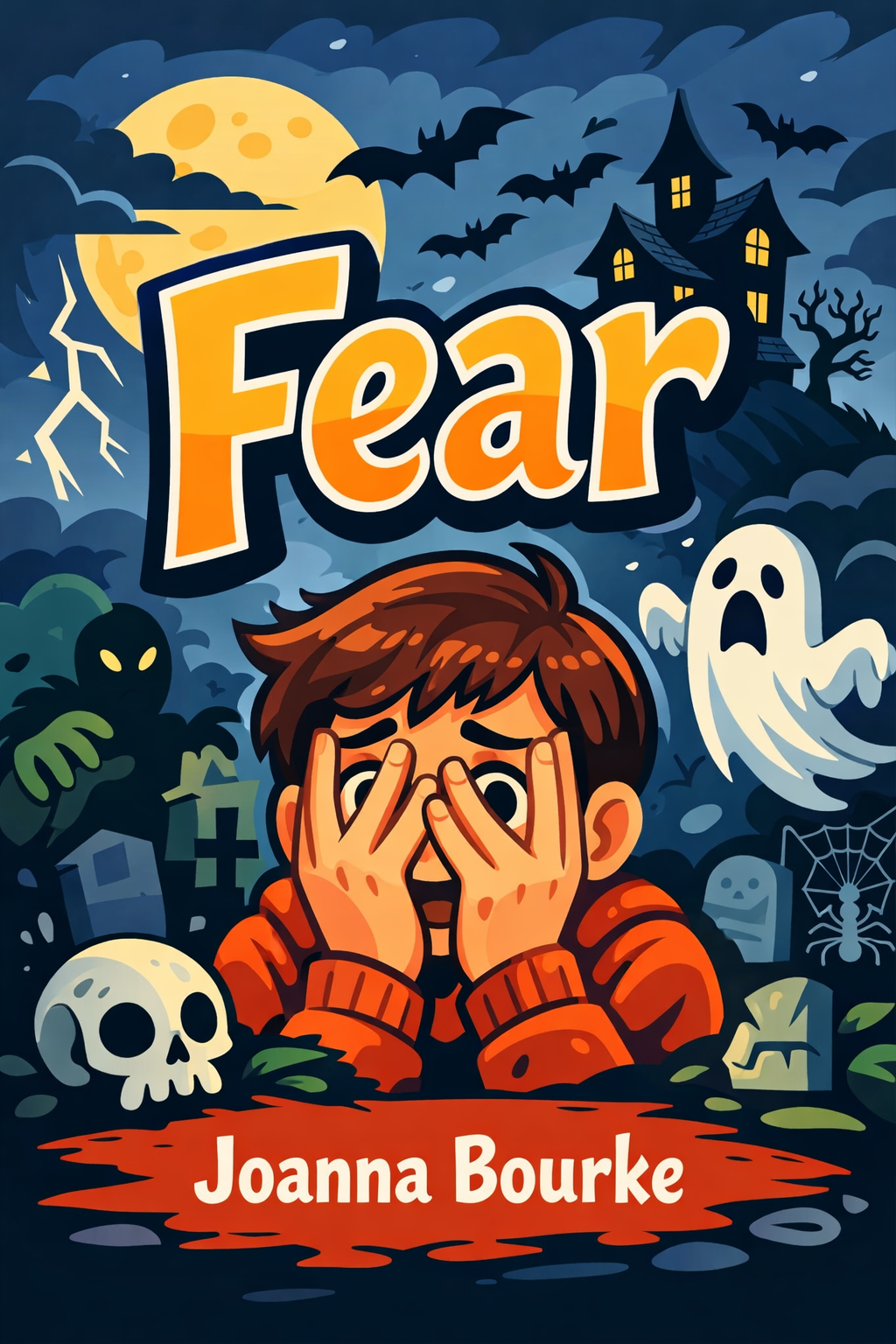
Fear is a universal human experience, yet its objects and expressions are far from constant. This exploration traces the shifting landscape of fear across time, revealing how our deepest anxieties are molded by culture, technology, and social change. While the primal fear of death forms a persistent undercurrent, the ways we confront, manage, and are paralyzed by fear tell a story about who we are as a society at any given moment.
Our greatest and most enduring terror is the fear of death. This fundamental anxiety underpins many other phobias, from creatures that could kill us to the loss of livelihood that threatens survival. Historically, rituals and beliefs in an afterlife helped soften this dread. However, in the nineteenth century, a new horror emerged for the poor: pauperization. The destitute faced the prospect of a nameless, quicklime-accelerated decomposition in mass graves, vulnerable to bodysnatchers. This gruesome fate, stripping death of all dignity, intensified the terror of dying to such a degree that the mere threat of losing financial support could literally shock someone to death, as it did for an elderly woman named Susan Starr in 1871.
Human fear does not only reside within the individual; it manifests powerfully in crowds, with tragic consequences that have physically reshaped our world. The tendency to panic in enclosed spaces led to catastrophic losses of life, such as the 183 children trampled in a Sunderland hall in 1883 or the 600 people killed in a Chicago theater fire stampede in 1903. These disasters became grim lessons, forcing a revolution in public safety and architectural design. The modern world is built to accommodate our panic. Innovations like push-bar emergency exits, championed by inventors like Carl Prinzler, and the meticulous evacuation plans advocated by fire experts like William Paul Gerhard, gave birth to the wide aisles, multiple exits, and spacious layouts we now take for granted in theaters and public buildings.
Society has long policed the expression of fear, particularly in children, and has consistently placed the blame on mothers. For much of the twentieth century, a fearful child was seen as a parental failure, an embarrassment that would stunt the development of a healthy, independent adult. Mothers bore the brunt of this criticism, accused of being overly protective and “emasculating” sons, or conversely, of being neglectful. Psychological theories, like those of Adelaide Chazan in 1941, pathologized school refusal as a result of maternal “laxity.” Later, as more mothers entered the workforce, the fear shifted to maternal absence, with guides insisting mothers remain constantly present for a child’s first five years. This impossible double bind ensured that mothers were perpetually held responsible for their children’s anxieties.
The terror that visits us in sleep—the nightmare—has also undergone a dramatic reinterpretation. Nineteenth-century medicine dismissed supernatural explanations, instead attributing frightening dreams to physical causes like a full stomach impeding blood flow to the brain. The solution was practical: avoid heavy meals and sleep with the window open. This purely somatic view was overturned by Sigmund Freud, who argued that nightmares arise from our own psyche. In Freud’s view, dreams are the royal road to the unconscious, where repressed desires and hidden emotions surface in symbolic form. A nightmare of a mother being attacked might reveal buried resentment; running up a staircase could symbolize sexual intercourse. Fear, therefore, was not an external physiological glitch but an internal, psychological truth demanding interpretation.
The stability of a society directly influences the collective temperature of fear. Periods of social and economic unrest become fertile ground for anxiety and panic. In 1920s Britain, with mass unemployment and bitter class strife, the public was primed for alarm. This was vividly demonstrated by a satirical BBC radio broadcast that pretended to report a working-class mob destroying London landmarks. Despite clearly absurd details—like a mob leader being the “Chairman of the Committee for the Abolishment of Theatre Queues”—the tense atmosphere caused widespread panic, flooding the BBC with terrified calls. In unstable times, the line between fiction and looming catastrophe blurs, showing how fear is as much a product of social conditions as of immediate threats.
On the battlefield, fear has a complex, dual nature. Contrary to the image of the fearless warrior, soldiers overwhelmingly report terror as their dominant experience in combat. The physical toll is severe, with historical studies showing a vast majority of WWII infantrymen suffering lasting health issues—tremors, insomnia, digestive disorders—stemming from sustained fear. Yet, this same intense emotion can also catalyze extraordinary courage. The adrenaline surge of fear can propel soldiers into acts of reckless bravery, transforming paralyzing dread into a powerful, action-driving force, as seen in the heroic impulses of soldiers under fire.
From the existential dread of death to the collective panic that redesigns cities, from the blamed mother to the analyzed dream, fear is a mirror held up to humanity. It is not a weakness to be eradicated but a fundamental thread in the fabric of our history, constantly rewoven by the changing world around us. Understanding its evolution is to understand the progress, the tragedies, and the very architecture of our shared human experience.