Description
In a world where debates about Arab women often fixate on the symbolism of a veil, this work pulls back the curtain to reveal a far more harrowing and complex reality. It argues that the headscarf is merely the most visible thread in a vast tapestry of control, where women’s bodies and lives are policed by a deeply entrenched misogyny justified through religion and culture. The author, writing from personal experience and rigorous investigation, presents an unflinching portrait of societies where women are systematically relegated to the status of second-class citizens, their fundamental human rights routinely violated in the name of honor, tradition, and a distorted interpretation of piety.
The environment described is one of pervasive hostility. From the legal codes that permit a husband to beat his wife with “good intentions” to the religious courts that enable child marriage, the institutions of power are often aligned against women. The consequences are not abstract. They are devastatingly personal, embodied by stories like that of an eight-year-old Yemeni girl who died from internal bleeding on her wedding night. This culture of control manifests in both public and private spheres, creating a world where a woman’s safety is never guaranteed. The street can be a gauntlet of sexual harassment, with near-universal reports of groping and verbal assault, while the home, supposedly a sanctuary, can be a site of sanctioned domestic violence. Even seeking justice is perilous, as police may subject women to so-called “virginity tests,” a brutal and invasive practice that is itself a form of sexual assault.
Two of the most potent symbols of this control are the veil and the hymen. The author delves into the nuanced reality behind the headscarf, acknowledging that for some women it can be a personal expression of faith or even a pragmatic shield against harassment. However, she forcefully argues that for the vast majority, it is not a free choice. In countries like Saudi Arabia, the threat of morality police and severe punishment removes any semblance of autonomy. The obsession with female purity culminates in the violent policing of virginity, leading to the abhorrent practice of female genital mutilation. Marketed as a “ceremony” to protect honor, FGM is a dangerous physical violation with lifelong health consequences, performed not for religious doctrine but to suppress female sexuality and ensure a girl’s value as a commodity for marriage. The ultimate enforcement of this code is so-called “honor” violence, where women are killed by their own families for perceived transgressions against sexual norms.
Confronting this system requires immense courage, and the author examines the walls of silence that sustain it. Many Arab women, conditioned by a culture that prizes obedience and family honor above individual welfare, remain silent to avoid bringing shame or external scrutiny upon their communities. Paradoxically, this silence is often mirrored by well-meaning Western liberals, whose commitment to cultural relativism leads them to hesitate in condemning clear injustices, thereby offering tacit support to the most oppressive norms. The author challenges this stance, insisting that universal human rights must trump cultural sensitivity when the price is the subjugation and suffering of half a population.
Yet, this is not solely a chronicle of despair. It is also a record of burgeoning resistance. A new wave of Arab feminism is rising, finding its voice and organizing in the digital spaces of the internet. Social media and online platforms have become vital tools for breaking the isolation, sharing stories, and mobilizing for change. This modern movement draws inspiration from a long, if often suppressed, history of feminist struggle in the region. Furthermore, the book highlights how women have stood on the front lines of major political upheavals, such as the Arab Spring, only to find that revolutions for freedom often fail to dismantle patriarchal structures, and can even lead to increased sexual violence against female activists. The fight, therefore, is twofold: against entrenched authoritarian regimes and against the deep-seated misogyny within society itself. The work concludes as a clarion call, urging a clear-eyed recognition of the systemic oppression faced by Arab women while celebrating their resilience and the growing, interconnected movement that insists on a future of dignity, autonomy, and equality.
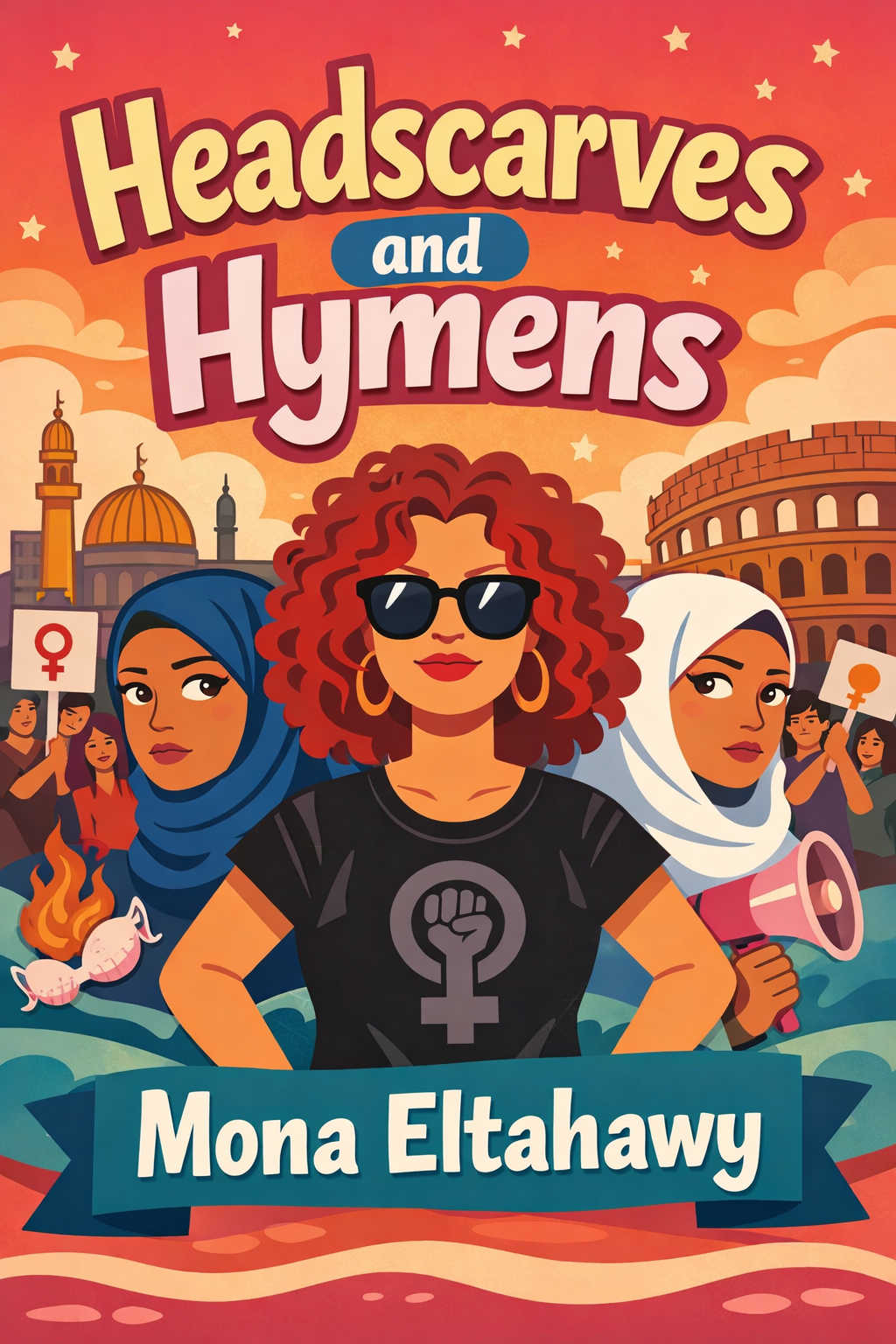
Book Title: Headscarves and Hymens