Description
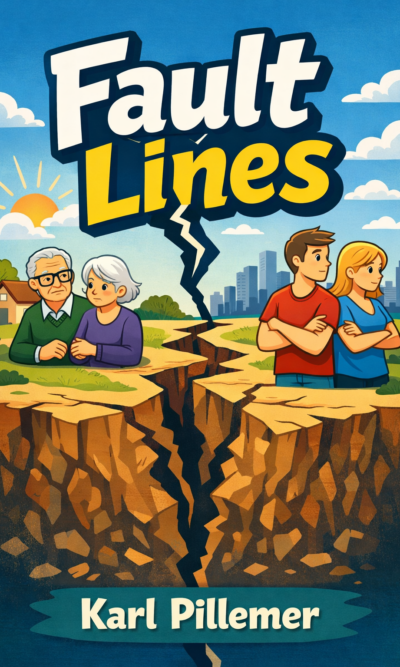
We live in an age where a single social media post can sway public opinion and the very idea of a shared reality feels under threat. This book delves into the urgent challenge of misinformation, dissecting the fundamental tension between our commitment to free speech and the alarming proliferation of lies online. It investigates the mechanics behind the viral spread of falsehoods and considers the profound consequences this has for democratic societies. The narrative provides a framework for understanding this complex landscape and suggests pathways to foster a public that is both well-informed and resilient.
The digital ecosystem has created an environment where false information consistently outpaces the truth. Research into platforms like Twitter reveals a disturbing pattern: lies spread faster, reach further, and penetrate deeper into the social fabric than factual reports. This isn’t accidental. Falsehoods often carry the allure of novelty, disrupting our expectations and triggering strong emotional reactions like surprise or indignation, which fuel sharing. This dynamic is especially potent in the political realm, where the stakes for democracy are highest. The classic liberal idea of a “marketplace of ideas,” where truth naturally wins in open debate, is severely tested by these realities. Instead, we see a splintering of consensus, with different groups retreating into separate informational universes shaped by algorithmic echo chambers. The foundational requirement for self-governance—an informed citizenry—crumbles when we cannot agree on basic facts.
This crisis forces us to confront difficult questions about the limits of free expression. While foundational to democracy, free speech has never been considered absolute. The famous analogy of falsely shouting “fire” in a crowded theater illustrates that speech which incites imminent, preventable harm can be restricted. But how does this principle translate to the digital age? Consider the persistent myth that vaccines cause autism, a claim thoroughly debunked by science yet perpetuated by sincere believers and bad actors alike. If a columnist, acting in good faith but misinformed, publishes this claim and convinces parents to forgo vaccinations, real harm results. Should the state intervene to remove the column or punish the writer? The dilemma is acute: granting authorities the power to arbitrate truth is dangerously prone to abuse and could stifle legitimate dissent, yet allowing demonstrably harmful falsehoods to circulate unchecked also carries severe costs.
History offers stark warnings about the dangers of state-controlled truth. In a pivotal Supreme Court case during World War II, Justice Robert Jackson argued against compelled patriotism, warning that “those who begin coercive elimination of dissent soon find themselves exterminating dissenters.” His point resonates deeply here. The path from suppressing obvious lies to silencing unpopular truths or minority opinions can be a short and slippery slope. Free speech, including the protection of erroneous views, serves vital social functions: it allows for the correction of errors, protects minority opinions that may later become accepted wisdom, and is indispensable for genuine self-governance. Citizens cannot make sound decisions if they are only exposed to state-sanctioned information.
Given the perils of censorship, the most promising solutions may lie in alternative strategies that empower individuals and elevate truth rather than simply suppressing falsehoods. Ironically, attempts to censor can backfire, lending forbidden-fruit credibility to misinformation and fueling conspiracy theories. A more effective approach focuses on proactive correction and structural design. This includes strategies like clear labeling and source disclosures on platforms, directing users to authoritative fact-checks. It involves “choice architecture”—redesigning digital spaces to subtly prioritize reliable information in feeds and search results without deleting content. The core aim is to make quality information more accessible and engaging than its false counterparts. Ultimately, fostering widespread media literacy and critical thinking skills may be our most durable defense, creating a public that is inherently more skeptical of viral falsehoods. The goal is not a sanitized information space, but a robust one where truth is equipped to compete and succeed.