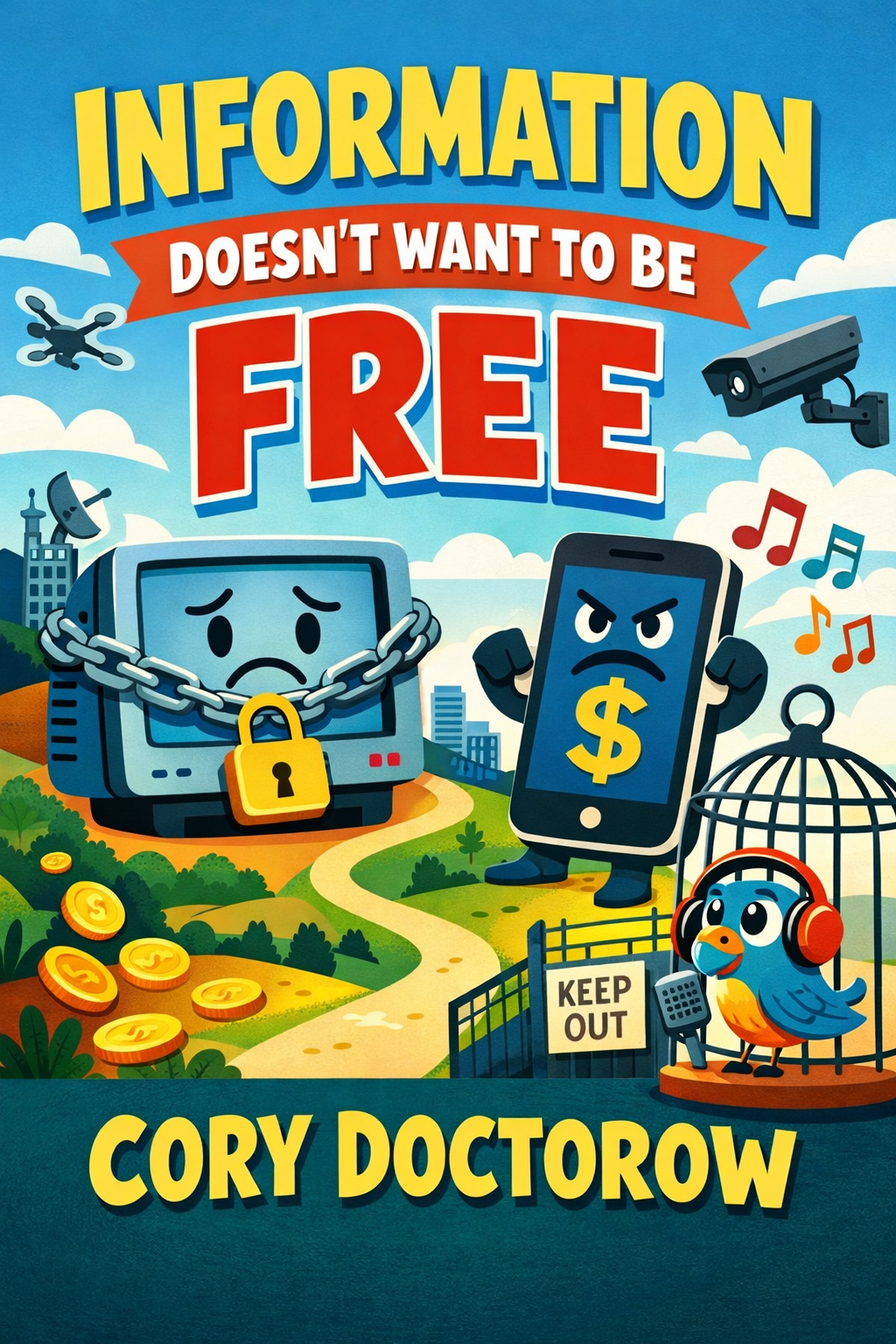
Description
In our hyper-connected world, the old rules governing creative work are fracturing. This book presents a compelling case for why our approach to copyright must evolve, moving beyond fear and control to foster a vibrant cultural ecosystem. The digital age isn’t the end of artistic livelihood; it’s a transformation. The central argument is that people, when given a fair and easy choice, are still willing to support the creators they love. The instinct to pay for quality, to be a patron, hasn’t vanished. It has simply migrated online, where direct connections between artist and audience can flourish. The success of countless independent musicians, writers, and filmmakers proves that the internet can be a platform for sustainable creativity, not just a void of piracy.
However, the reaction from many corporations and rights holders has been to double down on control through digital locks—software designed to restrict copying and access. This book meticulously dismantles the logic of this approach. First, these locks are technologically feeble; they are inevitably broken, often by hobbyists, rendering them useless as a barrier. More dangerously, they hand immense power to the middlemen who administer them. A publisher or distributor can effectively hold an artist’s work hostage, as seen in disputes where entire libraries vanish from platforms overnight during corporate negotiations. The artist and the audience lose, while the intermediary controls the gate.
The perils of this control-driven model extend beyond mere inconvenience. To enforce these digital restrictions, companies sometimes secretly install invasive software, known as rootkits, on users’ devices. These programs can create vulnerabilities, turning personal computers into open doors for hackers and spyware. The book cites shocking real-world examples, from music CDs that compromised millions of computers to school-issued laptops that secretly activated webcams to surveil students in their homes. This isn’t just about protecting a song or a movie; it’s about fundamental digital security and privacy being sacrificed on the altar of copy protection.
This escalation has ignited a broader conflict—a “copyfight”—between the impulse to censor and regulate the internet and the desire to keep it an open space for innovation and expression. Heavy-handed legislation and corporate overreach often backfire, driving people toward darker corners of the web and fueling resentment. Furthermore, the concentration of power in a few giant tech platforms creates a new form of soft censorship, where algorithms decide what content is seen and what is buried, influencing culture and commerce on a global scale. The battle is no longer just about copying; it’s about who controls the flow of information itself.
Therefore, copyright itself is not the enemy. Its original purpose—to prevent the exploitation of creators—remains vital. The call is for a sensible modernization. The law must distinguish between a commercial pirate mass-producing bootlegs and a fan creating non-commercial art or commentary. It should focus on regulating industrial-scale infringement, not policing everyday cultural participation. The book frames this as a human rights issue: in an era where the internet is essential for education, communication, and civic life, overly restrictive copyright can stifle free expression, limit access to knowledge, and invade privacy. When companies can demand access to private files under the pretext of checking for copyrighted material, a line has been crossed.
Ultimately, the path forward requires embracing the internet’s nature rather than fighting it. It means building business models that make paying easier than pirating, empowering creators with direct connections to their supporters, and crafting laws that protect both economic rights and the public’s right to a free, open, and secure digital world. The goal is a system where information can flow, artists can thrive, and audiences can participate without fear—a true balance for the twenty-first century.