Description
The story of meat is deeply woven into the human saga, a tale of nourishment, progress, and unintended consequences. From the earliest days on the African savanna, the pursuit of animal protein provided more than just calories. The dense nutritional package of meat, rich in high-quality proteins, fats, and crucial micronutrients like iron, played a foundational role in our physical and cognitive evolution. It fueled the growth of our complex brains and fostered the social cooperation necessary for hunting large game, subtly shaping communication and community structures. For millennia, meat was a prized, often sacred, component of the human diet, a symbol of status and vitality.
The relationship transformed dramatically with the advent of modernity. Technological leaps—refrigeration, artificial fertilizers, mechanization—uncoupled meat production from local ecosystems and seasonal cycles. Animals were freed from their roles as laborers, and crop farming became massively efficient, producing vast surpluses that could be funneled into animal feed. This ignited a chain reaction: production scaled up to meet a burgeoning global demand, making meat more accessible and affordable than ever before. Increased consumption became a hallmark of economic development and changing lifestyles, particularly as more women entered the workforce and sought convenient, protein-rich meals for their families.
The 21st century represents the zenith of this system, characterized by staggering, almost unimaginable, scale. Billions of animals are processed annually through highly specialized, industrialized chains. The dominant model is the Confined Animal Feeding Operation (CAFO), a factory-like system designed for maximum output and efficiency. Here, animals are bred for rapid growth, housed in dense populations, and fed standardized diets to bring them to market weight in a fraction of their natural time. This system delivers cheap and plentiful meat, but the hidden costs are profound.
The primary engine of this environmental toll is the feed itself. Modern meat production is predicated on a constant, cheap supply of compound feeds, primarily corn and soy. Cultivating these crops on an industrial scale drives deforestation, depletes freshwater resources, and leads to widespread soil degradation. The inefficiency is glaring: a significant portion of the edible energy and protein from these crops is lost in the conversion to animal tissue. Furthermore, the concentration of animals generates monumental waste streams. Manure, often laced with antibiotics and hormones used to promote growth and prevent disease in crowded conditions, can contaminate waterways and emit potent greenhouse gases.
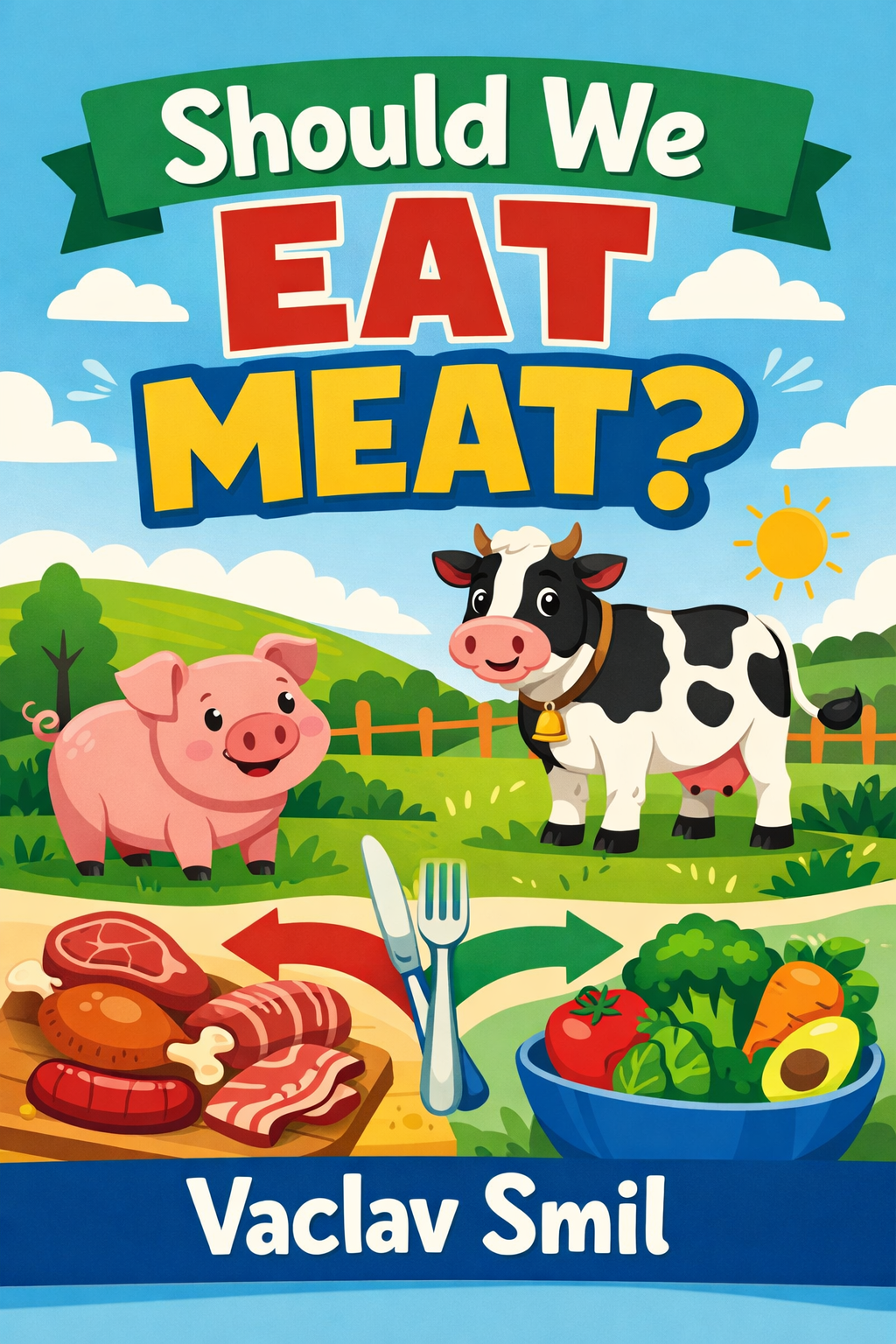
While the problems of industrial production are clear, the book argues that universal vegetarianism is not the only or most practical solution. Meat retains significant nutritional value, especially for vulnerable populations, and a global dietary shift of that magnitude faces immense cultural and economic hurdles. Similarly, current meat alternatives, from plant-based burgers to lab-grown cultured meat, while promising, face limitations in scalability, cost, and consumer acceptance in the near term.
Therefore, the path forward proposed is not elimination, but rationalization. This means a concerted move toward producing meat more wisely and consuming it more thoughtfully. On the production side, it involves improving feed crop efficiency, better managing animal waste, and reintegrating livestock with crop farming where possible to create closed-loop nutrient cycles. On the consumption side, it necessitates a reduction in overall intake, particularly in affluent societies where consumption far exceeds nutritional needs. Embracing a diet where meat plays a smaller, more celebratory role—a flavoring rather than a centerpiece—can significantly lessen the environmental burden. The ultimate goal is a balanced system that acknowledges meat’s historical and nutritional place in the human story while fundamentally reforming the modern methods that produce it, ensuring both planetary health and food security for generations to come.