Description
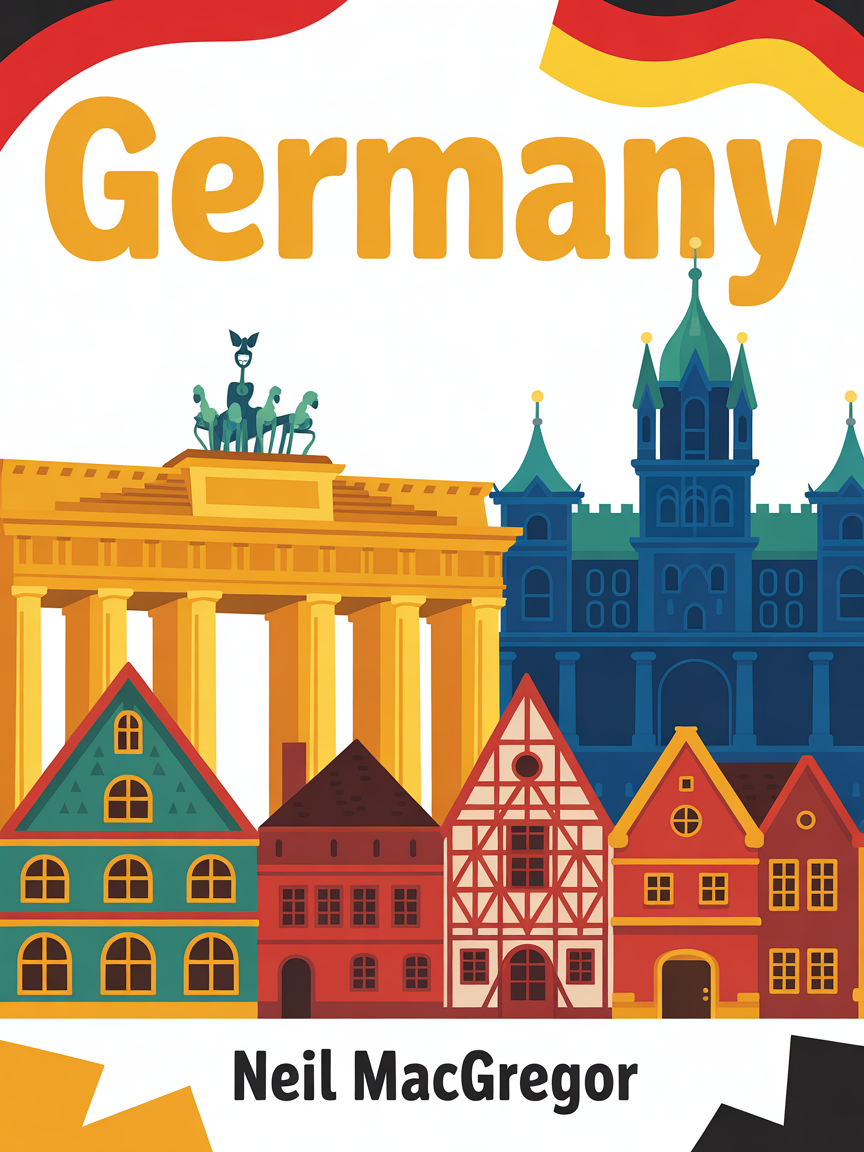
Germany is a nation often defined by the shadows of the twentieth century, but its story is far older and more complex than the world wars. To truly understand the heart of the country, one must look at the symbols that stand in its capital. The Brandenburg Gate in Berlin serves as a powerful centerpiece for the nation. Built in the late 1700s as a sign of peace, it has witnessed both triumph and theft. When Napoleon conquered the city, he famously took the statue from the top of the gate back to Paris as a trophy. Years later, the Prussians reclaimed it, and today it stands as a witness to modern celebrations, such as major sporting victories.
While the gate represents unity, other landmarks remind us of deep division. For nearly thirty years, the Berlin Wall physically split the city and the country into two different worlds. Born from the political tension after World War II, the wall was built overnight in 1961 to stop people from fleeing to the West. This sudden barrier separated families and created a “no-man’s land” where many lost their lives trying to find freedom. Even though the wall fell in 1989, the memory of that separation remains carved into the streets and the minds of the people, highlighting the different paths the two sides took during the Cold War.
The identity of Germany is not just found in its cities but also in its geography. Rivers like the Rhine are more than just water; they are cultural icons that have inspired poets and composers for centuries. Historically, German influence stretched far beyond the borders we see on a map today. You can find German architectural styles and technical inventions, like the famous astronomical clocks, in places that are now part of France or other neighboring countries. This shows that “Germanness” was once a broad cultural force that ignored modern political lines.
The true glue that holds the German people together, however, is their language. For a long time, Germany was a collection of independent kingdoms with different rules and leaders. What united them was the words they spoke and wrote. This unity was solidified by Martin Luther in the sixteenth century. By translating the Bible into a common form of German, he created a standard language that everyone could understand. This shared tongue allowed people from different regions to feel like they belonged to one single culture, a feeling that remains the foundation of the nation today.
Beer is another essential part of the national identity, almost like a liquid history. It is more than just a drink; it is a cultural institution. The world-famous Oktoberfest began as a royal wedding celebration in 1810 and grew into a massive annual festival. But the love for beer goes back thousands of years to ancient tribes. Germans take the purity of their beer so seriously that they have followed strict laws for centuries regarding what ingredients can be used. This dedication to quality and tradition is a point of great national pride.
The country’s reputation for a strong economy also has deep roots. In the middle ages, German merchant groups formed a powerful network called the Hanseatic League. They controlled trade routes across Northern Europe, protecting ships from pirates and managing warehouses as far away as London. They didn’t just move goods; they created a system of safety and law that allowed business to thrive. This historical success in trade laid the groundwork for the industrial power that the country is known for in the modern world.
In terms of character, there is a certain history of choosing substance over flashiness. This is best seen in the unique tradition of iron jewelry. While other European royals wore gold and diamonds, Prussian leaders often preferred iron. It was a symbol of sacrifice and modesty, showing that the strength of the state was more important than personal luxury. During times of war, wealthy citizens would even trade their gold jewelry for iron versions to help fund the defense of their land. This “iron” spirit became a symbol of national resilience.
However, the journey to the modern era was not without great suffering. The art of the early twentieth century captures a darker side of the German experience. Through the work of artists like Käthe Kollwitz, we see the pain of poverty, war, and loss. Her moving sculptures and paintings reflect the grief of parents who lost children to conflict and the struggles of the working class. These stories of hardship are a vital part of the history, reminding us that the path to the present was paved with both incredible achievements and profound human sorrow.
Ultimately, Germany is a federation built on a shared language, a rich history of trade, and a deep respect for tradition. From the bells of medieval clocks to the cheers at a modern soccer match, the country’s identity is a blend of old-world craftsmanship and a complex modern memory. By looking at the gate, the wall, the language, and the art, we see a complete picture of a nation that has constantly reinvented itself while holding onto the cultural threads that make it unique.