Description
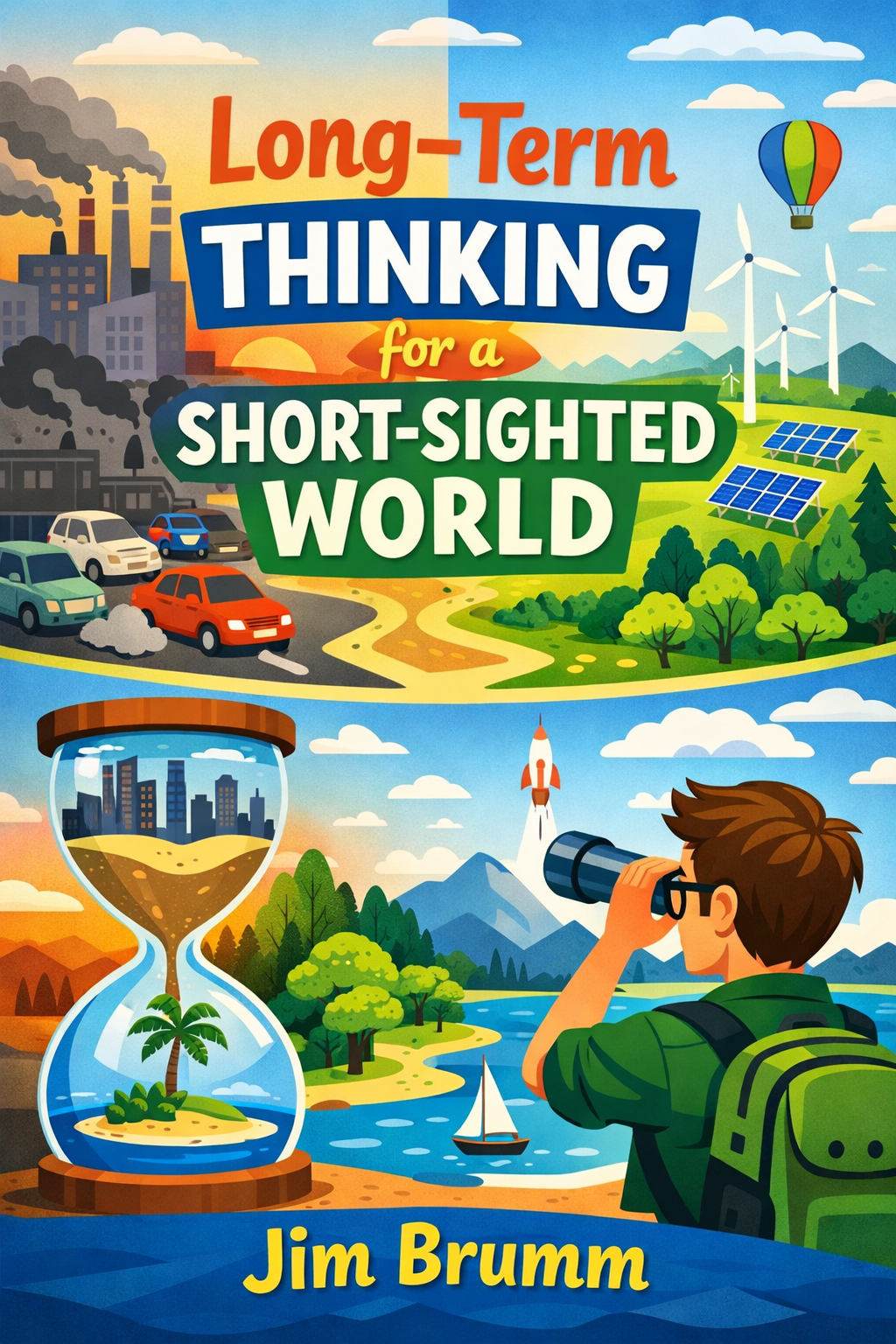
Throughout history, the human mind has been wired for survival in the immediate moment. For our ancestors, focusing on the next meal or avoiding a nearby predator was the difference between life and death. However, this ancient “short-sightedness” has become a modern liability. In our current world, we often prioritize instant results and quick profits over the enduring health of our planet and communities. This narrow focus prevents us from seeing the larger picture, leading to the depletion of natural resources and the destruction of the very ecosystems that sustain us. To ensure a viable future, we must intentionally shift our perspective from the minutes and hours of the clock to the decades and centuries of “deep time.”
A significant part of our modern struggle with time comes from our obsession with the clock. We live in a society that demands instant responses to text messages and emails, valuing speed over quality. This frantic pace makes it incredibly difficult to contemplate the long-term consequences of our actions. When we prioritize the immediate “now,” we often choose temporary fixes—like taking a pill for a symptom rather than changing our lifestyle for long-term health. This culture of urgency disconnects us from the slow, natural cycles of the earth, making us feel like we are separate from the environment rather than a vital part of it.
The impact of this short-term thinking is visible in almost every aspect of daily life, particularly in our reliance on automobiles. When cars were first introduced, they represented freedom and status, but little thought was given to how they would reshape our world. Today, cities are designed for vehicles rather than people, leading to the destruction of arable land for highways and a dangerous dependence on oil. Beyond environmental damage, cars create a physical and emotional barrier between neighbors, fostering isolation and “road rage” instead of community connection. This shift away from local interaction erodes the social fabric that keeps a society strong and forward-thinking.
Furthermore, our economic systems are built on the fragile foundation of debt and mindless consumerism. Credit cards are perhaps the ultimate tool of the short-sighted, encouraging us to buy things we cannot afford today by mortgaging our future. This cycle is driven by a global financial system that prioritizes constant growth and spending above all else. However, true happiness does not come from the accumulation of material objects. To find lasting fulfillment, we must realign our values toward things that have enduring worth, such as deep friendships, civic engagement, and personal well-being. By moving away from a debt-fueled lifestyle, we can build a more stable and meaningful existence.
Our relationship with food and energy provides another clear example of the dangers of focusing only on the present. Large corporations have turned food production into a transactional process, prioritizing cheap, fast results through factory farming and mono-crops. These methods poison the land and water, destroying small, sustainable farms in the process. Similarly, our reliance on finite fossil fuels is a race toward a dead end. We continue to use dwindling resources because developing new, clean energy sources requires the kind of long-term vision we currently lack. Embracing solar energy and returning to small-scale, local farming are not just “green” ideas; they are necessary steps for survival.
Ultimately, the health of our planet is our collective responsibility. Nature does not support infinite growth; it operates in cycles of renewal and restraint. We must learn to live within these natural boundaries rather than trying to outrun them. While the challenges ahead are significant, we are not doomed. By supporting local businesses, choosing renewable energy, and educating the next generation about sustainability, we can begin to reverse the damage. Change starts with individual actions—like reducing waste and shopping locally—which then grow into a collective movement. It is time to look past the immediate horizon and start building a world that our descendants will be proud to inherit.