Description
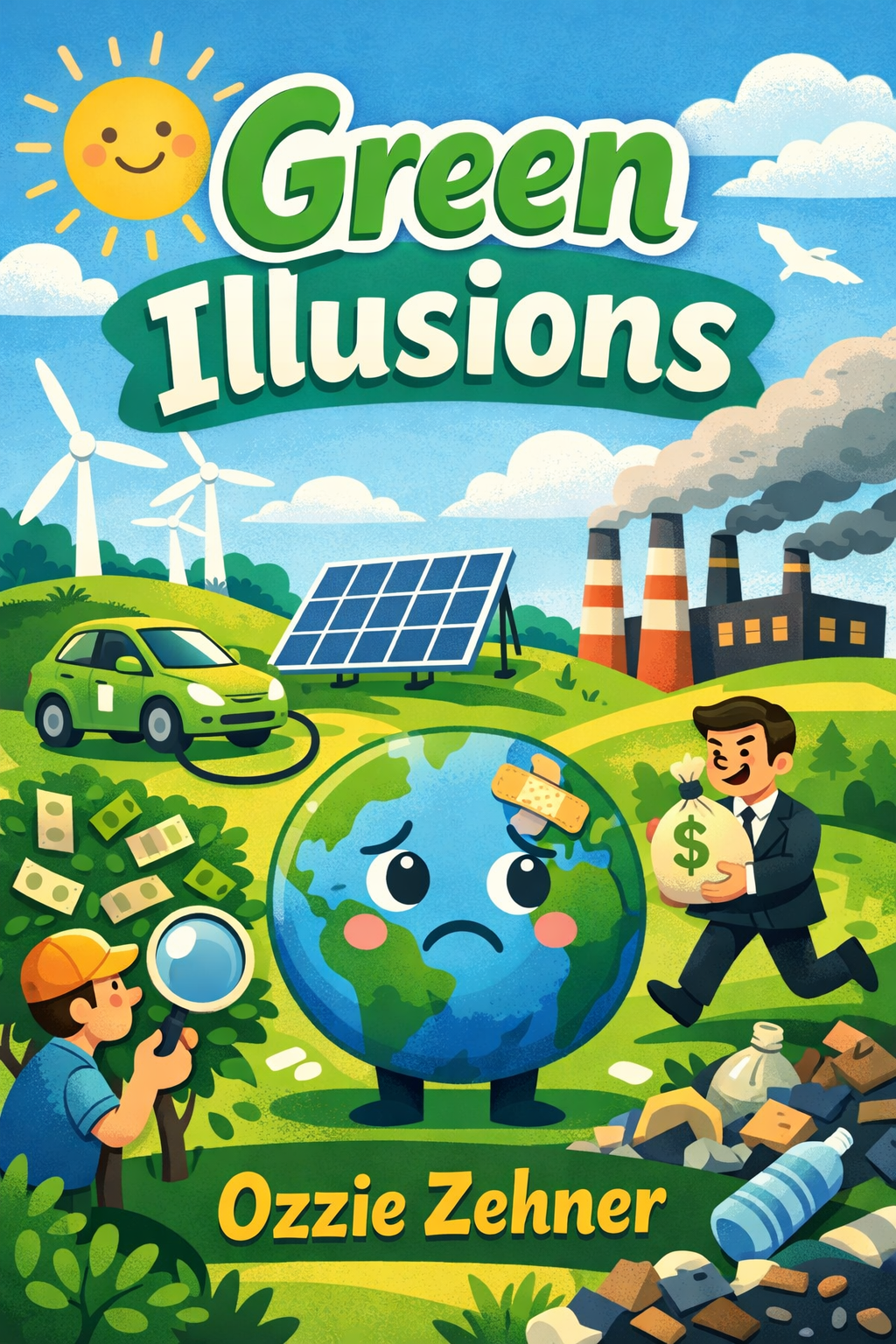
Many of us dream of a world powered entirely by the sun and the wind. We imagine a clean future where we can keep our modern lifestyles without hurting the planet. However, the reality of “green” energy is much more complicated than it seems. While we often hear that technology will save us, the truth is that many alternative energy sources have serious downsides that we rarely talk about. To truly protect our environment, we need to look past the hype and realize that the only real solution is to change how we live and consume.
Before looking at new solutions, it is important to understand why the old ones are failing. For a long time, the world has relied on fossil fuels like coal and nuclear power. Coal is the biggest source of carbon dioxide, which causes global warming. It also poisons the air and water. Nuclear power, while it does not produce carbon, is incredibly dangerous. Accidents can cause damage that lasts for generations, and we still do not have a safe way to store radioactive waste. Because these resources are limited and harmful, it is clear we need a change. However, switching to “green” technology is not as simple as it sounds.
Biofuels are often presented as a great alternative because they come from plants that can be grown again. But this creates a new set of problems. When farmers grow crops for fuel instead of food, the price of food goes up, which hurts poor people around the world. In some places, like Brazil, forests are being cut down to make room for fuel crops. Because forests absorb more sunlight and carbon than farm crops, cutting them down actually makes global warming worse. This means that in our attempt to create “green” fuel, we are sometimes destroying the very nature we want to save.
Shutterstock
Even renewable energy like solar and wind power has a dark side. Solar panels are made using very strong greenhouse gases that are thousands of times more powerful than carbon dioxide. When we manufacture these panels, we release these gases into the air. Similarly, wind turbines require a massive amount of energy to build, transport, and set up. Often, the energy used to create a wind turbine is so high that it takes a long time before the turbine actually provides a “net gain” for the environment. If we place them in areas that aren’t very windy, they might even cause more pollution during their creation than they save during their lifetime.
We also see this problem with hydrogen-powered cars. These cars only release water from their tailpipes, which sounds perfect. But making the hydrogen fuel requires an enormous amount of energy. Most of that energy currently comes from the same old fossil fuels we are trying to avoid. Even when we try to use solar power to make hydrogen, the process is incredibly slow and inefficient. This shows that many of our “green” gadgets are just moving the pollution from one place to another rather than getting rid of it.
Why do we believe so strongly in these technologies if they have so many flaws? The answer is that it feels good to have a “green conscience.” We want to believe we can keep our big houses, fast cars, and endless shopping habits as long as we use a different kind of battery. This idea is pushed by “green marketing” from companies and politicians. Politicians want to grow the economy, and journalists often repeat what they are told by big corporations instead of looking for the deeper truth. It is easier to sell a new product than it is to tell people they need to buy less and live more simply.
There is also a strange effect called the Jevons Paradox. This happens when we make a machine more efficient. You would think that a more efficient machine would save energy, but the opposite often happens. When a machine becomes more efficient, it becomes cheaper and easier to use. Because it is cheaper, more people use it more often, and we end up using more total energy than we did before. This is why making our gadgets “better” isn’t enough; if we don’t change our demand for energy, we will always find a way to use up whatever we produce.
To solve the energy crisis, we must focus on reducing our consumption. This is hard because humans aren’t very good at worrying about the distant future. We are like teenagers who smoke because they can’t imagine getting sick when they are older. To change behavior, we need to show people the immediate benefits of using less. For example, people who live more simply often have more time and less stress. In the United States, people work long hours to buy things they don’t really need, which leaves them tired and unhappy. Moving away from this “work-spend” cycle can make us happier while also saving the planet.
The government can also help by making it easier for us to be green. Instead of just taxing the money people earn, we should tax the things people consume, especially items that use a lot of energy. California has tried this, and their energy use has stayed low while the rest of the country’s use has doubled. We should also stop the flood of junk mail and force companies to pay for the recycling of their packaging. These small changes would save a massive amount of energy without making our lives any worse.
Social changes are just as important. Empowering and educating women leads to smaller family sizes, which naturally reduces the number of people using energy. We should also protect children from constant advertising. In some countries, ads for children are banned, and kids there grow up wanting fewer things. When we aren’t constantly being told to buy more, we find that we can be satisfied with much less. This cultural shift is the most powerful tool we have for protecting the earth.
Finally, we need to rethink where we live. Many people think living in the suburbs is “greener” because there are more trees, but the long car rides needed to get anywhere are terrible for the environment. Living in a city is actually much better for the planet. In a city, people can walk, bike, or take a bus. New York City, for example, has some of the lowest energy use per person in the country because it is so walkable. If we make our cities more beautiful with more parks and bike lanes, more people will want to live there.
The lesson is simple: there is no magic machine that will save the world. We cannot just buy our way out of the energy crisis with new gadgets. True change comes from the choices we make every day. By walking instead of driving, buying less “stuff,” and focusing on our well-being instead of our possessions, we can create a future that is truly green. It isn’t about doing without; it is about finding a better, simpler way to live that respects the limits of our planet.