Description
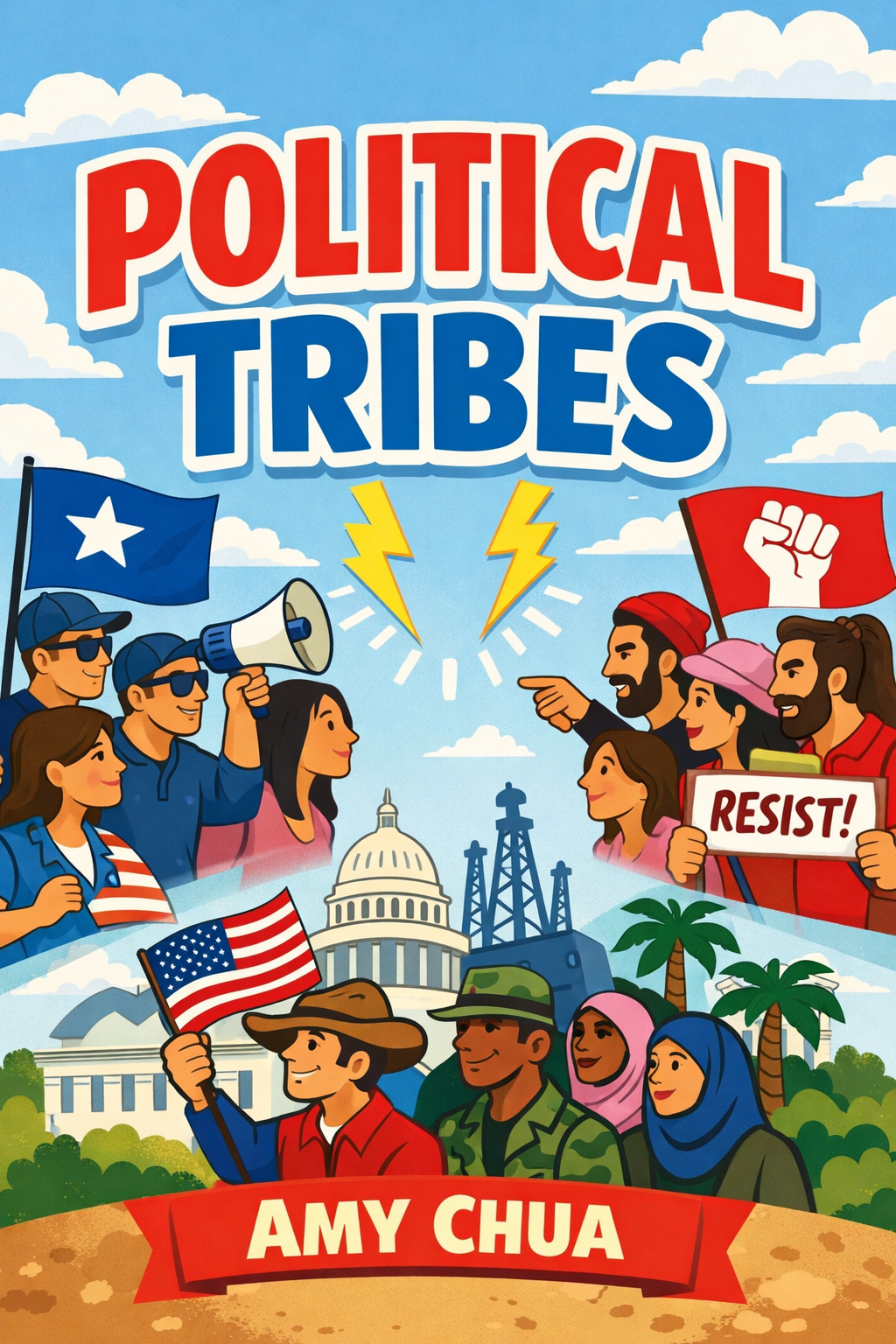
Human beings have a natural need to belong to a group. This instinct to join a “tribe” is one of the most powerful forces in history, yet it is often ignored by leaders and experts. We usually think of tribes as something from the distant past, but they are very much alive today. A tribe can be based on race, religion, or even shared political beliefs. When people join a tribe, they feel a sense of safety and belonging. However, this also creates an “us versus them” mentality. This book argues that if we do not understand how these groups work, we will continue to make huge mistakes in how we handle both world events and our own neighbors.
For many years, the United States made a big mistake in its foreign policy by ignoring tribal identities. In places like Vietnam and Iraq, American leaders thought they were fighting political ideas like Communism or supporting Democracy. In reality, the people in those countries cared much more about their ethnic and religious groups. In Vietnam, the majority of the population felt oppressed by a small, wealthy minority of Chinese immigrants. Because the U.S. did not see this tribal tension, they accidentally supported the side that many locals hated. This same mistake happened in Iraq, where the removal of one group from power led to a violent struggle that eventually helped give rise to terrorist groups.
A major source of conflict around the world is the existence of “market-dominant minorities.” These are small groups of people who control most of the wealth in a country. When a country is poor but a tiny group of people—who are often of a different race or religion—owns all the businesses and land, it creates deep anger. When democracy is introduced to these places, the poor majority often votes for leaders who promise to take revenge on the wealthy minority. This is why many transitions to democracy become violent. Instead of peace, the result is often a new kind of tribal war.
Terrorism is also fueled by tribalism. Groups like ISIS and al-Qaeda are not just about religion; they are political tribes. They target people who feel lonely, excluded, or humiliated by the West. By offering these individuals a sense of power and a group to belong to, they become very attractive. When Western countries react to terrorism by blaming all members of a certain religion, it actually helps the terrorists. It makes those people feel even more excluded from society, which pushes them further into their own tribal identities. This creates a cycle of anger that is very hard to break.
Today, this tribal behavior has come home to the United States. For a long time, America was seen as a “super-group” where people from many different backgrounds felt like they were one nation. But that is changing. People are now moving into separate political tribes that hate each other. On one side, there are people who focus heavily on identity politics, fighting for the rights of specific minority groups. On the other side, many working-class people feel like they have been forgotten and left behind. These groups no longer see each other as fellow citizens, but as enemies who belong to a different world.
This division in America is often seen as a battle between the “coastal elites” and the “working class.” The coastal elites are often highly educated and live in big cities. They often view the working class as backward or uncultured. Meanwhile, the working class views the elites as a powerful minority that controls the government and the media while ignoring the struggles of regular people. This mirror image of the tribal conflicts seen in other countries is making it almost impossible for the U.S. government to function. Both sides feel like their way of life is under attack, which makes them retreat deeper into their own groups.
The book also points out that the “American Dream” is being viewed differently by these tribes. Even though many people are struggling financially, they still believe in the idea of working hard to get ahead. This is why many people are drawn to movements that celebrate wealth and success, even if they aren’t wealthy themselves. They want to belong to a group that gives them hope, rather than a group that treats them like victims. When political leaders fail to understand these emotional needs, they lose the ability to talk to half of the country.
To fix these problems, we have to start looking at people as individuals rather than just members of a tribe. We need to understand the fears that drive different groups. For example, a poor person in a rural area might be afraid of losing their culture and their job, while a person in a minority group might be afraid for their physical safety. Both of these fears are real and powerful. If we only see the other side as a “hateful tribe,” we will never find a way to live together.
The only way forward is to build bridges between these groups. This means having real conversations with people who think differently than we do. It means trying to find common ground in things like sports, community projects, or shared values. We have to move past the instinct to exclude others and try to rebuild a shared national identity. If we don’t, the tribalism that has caused so much pain in other parts of the world will continue to tear our own society apart.
In the end, tribalism is a part of being human, but it doesn’t have to control us. We have the power to recognize our instincts and choose a different path. By understanding how tribes work, we can make better decisions in our foreign policy and be kinder to our neighbors at home. The goal is not to get rid of our groups, but to make sure our groups don’t turn into walls that keep us from seeing the humanity in everyone else.