Description
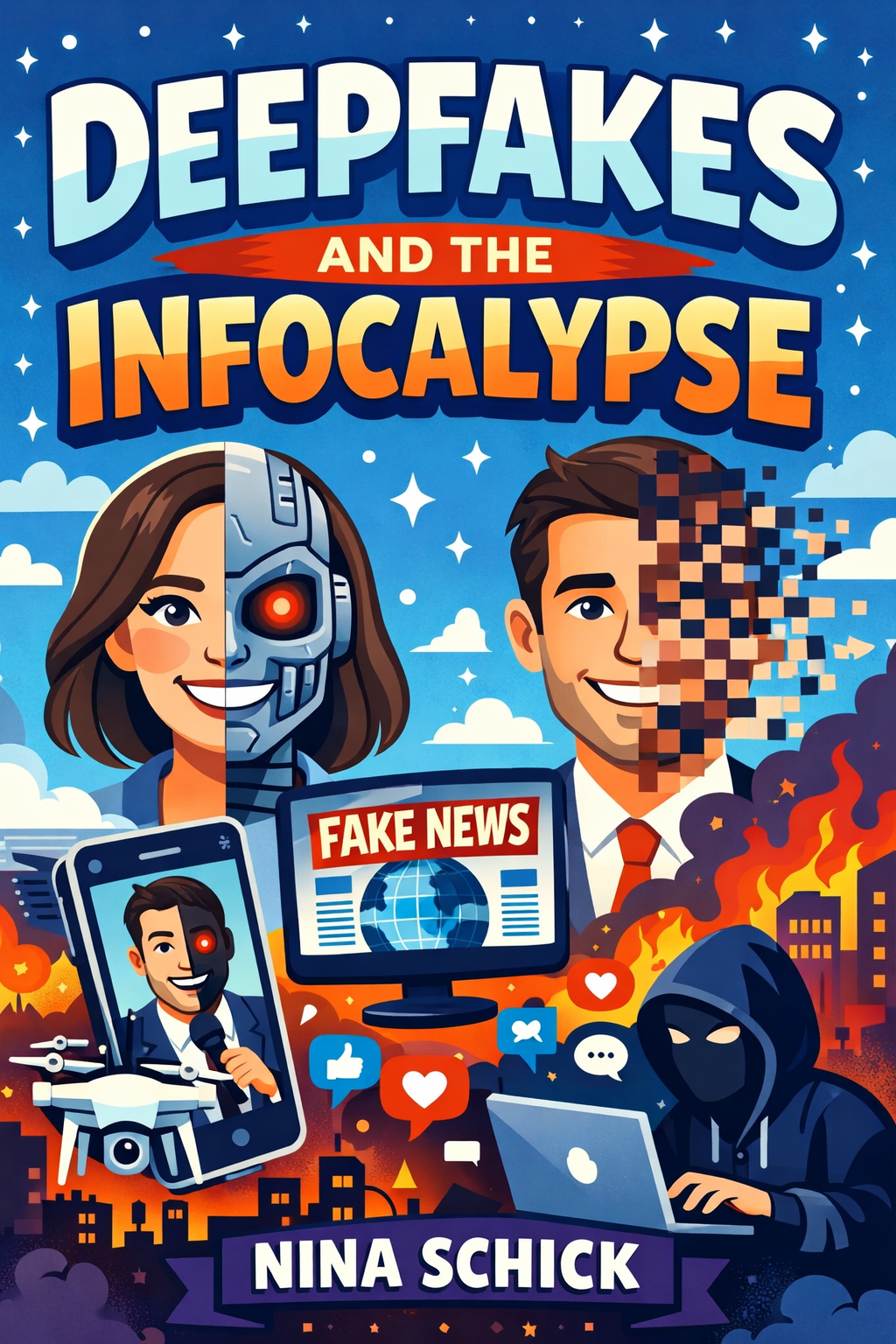
Imagine watching a video of a world leader saying something shocking. The lighting is perfect, the voice is exactly right, and the facial expressions look completely natural. However, the leader never actually said those words. This is the reality of deepfakes, a technology that uses artificial intelligence to create convincing but entirely fake videos and audio recordings. We are currently living in what can be called an “Infocalypse.” This is a state where the information we consume is so untrustworthy and manipulated that it becomes difficult to tell what is real and what is a lie. This crisis is moving fast, and if we do not learn how to handle it, our societies could fall into deep trouble.
The technology behind these fakes relies on something called deep learning. This is a type of software that looks at massive amounts of data—like thousands of photos of a person’s face—and learns how to recreate it perfectly. The term deepfake comes from a combination of deep learning and the word fake. In the beginning, this was mostly used by hobbyists on websites like Reddit to swap the faces of famous actors into different movies. While it might have seemed like a harmless trick at first, it quickly turned dark. People began using it to create non-consensual and demeaning content to hurt others. Even the most famous people in the world found they had no power to stop these faked images from spreading across the internet.
To understand why this is so dangerous, we have to look at the difference between misinformation and disinformation. Misinformation is when someone shares something that is wrong by accident. Disinformation is much worse; it is a lie created on purpose to trick people. History shows us that some countries have become experts at this kind of information warfare. For example, decades ago, a campaign was launched to make people believe that a certain virus was a biological weapon created by a government. Even though the story was a total lie, it spread to 80 different countries because it contained a tiny grain of truth that made it feel believable. Today, with the internet and AI, these lies can spread in seconds rather than years.
In modern democracies, this constant stream of lies is creating a massive crisis of trust. Many people now feel that their governments never tell the truth. This environment allows for something called the “liar’s dividend.” This is a trick where a person who is caught doing something wrong simply claims that the evidence against them is a deepfake. As the technology gets better, it becomes easier for anyone to dismiss the truth by calling it fake. We are already seeing “cheapfakes,” which are videos that are simply edited or taken out of context to make someone look bad. When the public can no longer agree on what actually happened, democracy starts to break down.
The danger is even higher in places where the law is weak and people have fewer protections. In some countries, deepfakes have been used to silence journalists who criticize the government. In one instance, a journalist was targeted with fake tweets and faked videos to ruin her reputation. This led to her receiving thousands of threats, eventually forcing her to stop her work. In other parts of the world, simple lies spread on social media have led to actual violence and the deaths of thousands of people. When hate speech is boosted by fake evidence, it can turn neighbors against each other very quickly.
It is not just about politics, though. Deepfakes are becoming a powerful tool for criminals who want to steal money. There have already been cases where scammers used silicon masks to pretend to be government officials during video calls to trick wealthy people into giving them millions of dollars. As AI improves, they won’t need masks anymore. They can use software to mimic a CEO’s voice so perfectly that an employee will transfer large sums of money thinking they are following a direct order. This type of audio fraud is very hard to catch because we are naturally wired to trust the voices of people we know.
The recent global pandemic showed us exactly how this information crisis works in real-time. Various countries used the confusion of the virus to spread conflicting stories. Some claimed the virus was a weapon from one country, while others claimed the exact opposite. The goal wasn’t necessarily to make people believe one specific lie, but rather to make them so confused that they didn’t know who to trust at all. When people are confused and scared, they are much easier to manipulate. Even leaders within democratic countries contributed to the mess by sharing conflicting information and dismissing scientific facts when they were inconvenient.
The future might look dark, but there are ways to fight back against the Infocalypse. The first step is simply being aware that this technology exists and being more skeptical of what we see and hear online. We need to support honest journalism and use tools that check facts. There are even browser extensions and apps that can help us identify if a website is known for spreading lies. However, just being careful as individuals is not enough. We need a more organized way to defend our information systems from these high-tech attacks.
We can look at examples of countries that have successfully fought back. One small nation in Europe faced massive digital attacks years ago and decided to get proactive. They didn’t just wait for the next lie to spread; they built an early warning system to tell citizens when a disinformation campaign was happening. They trained volunteers who were experts in technology to help the public respond to these threats. By building a strong system of defense and teaching people how to spot digital tricks, they were able to protect their society.
Ultimately, we have to choose what kind of world we want to live in. We can either let deepfakes and lies take over, or we can work together to protect the truth. It requires us to be more responsible for the information we share and to demand better behavior from our leaders and technology companies. The quality of these fakes will only get better, making it impossible to tell them apart from reality just by looking. We must start building our defenses now before the line between what is real and what is fake disappears forever. If we can stay informed and stay united, we can survive the Infocalypse.