Description
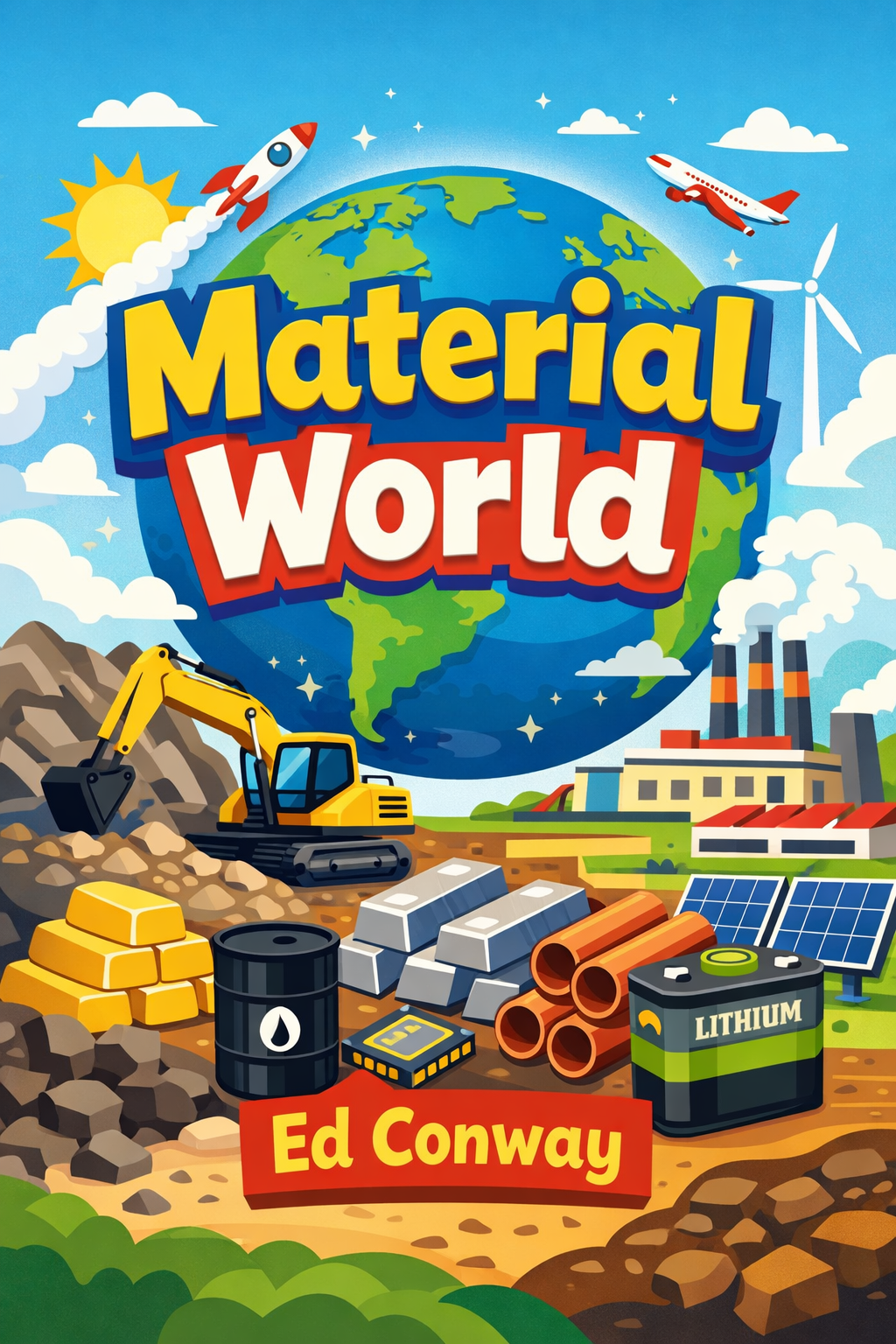
We often look at the world around us and see finished products. We see a sleek smartphone, a tall skyscraper, or a car driving down the street. However, we rarely stop to think about what these things are actually made of. Deep down, our modern life is built on a few basic materials pulled from the Earth. These elements have a long history, starting from the stars and ending up in our pockets. This Winkist summary looks at the six most important materials that have changed human history: sand, salt, iron, copper, oil, and lithium.
Sand is much more than what you find at the beach. It is the literal foundation of our cities. For thousands of years, humans have used sand to make concrete and mortar to build homes and temples. But in the modern age, sand has taken on a high-tech role. We take quartz sand and turn it into silicon. This silicon is the “brain” of every electronic device we own. Without it, there would be no internet, no computers, and no smartphones. The problem is that we are using sand faster than nature can create it. We are digging up riverbeds and beaches so quickly that it is hurting the environment. It reminds us that even something as common as sand is a precious, finite resource.
Next, we look at salt—specifically a type called saltpeter. It might seem boring, but this simple salt changed the world in two massive ways: it helped us grow food and it helped us fight wars. Saltpeter is a key ingredient in gunpowder, which allowed empires to expand and changed the face of history forever. At the same time, it is a powerful fertilizer. It allowed farmers to grow much more food, feeding a growing world population during the Industrial Revolution. This one material shows the dual nature of human invention. We use the same earth-born chemicals to create life and to take it away.
Iron is the metal that gave us strength. When humans first learned to work with iron, it was a huge leap forward. It was stronger and lasted longer than anything else. Iron tools made farming easier, and iron weapons made armies stronger. Eventually, iron led to the creation of steel, which is the backbone of every modern city. From the bridges we cross to the skyscrapers we work in, iron is everywhere. However, making all that steel requires massive amounts of energy and creates a lot of pollution. Our history is tied to the clanging of the blacksmith’s hammer, but our future depends on finding cleaner ways to make this essential metal.
While iron provided the strength, copper provided the connection. Copper is a special metal because electricity flows through it very easily. In the mid-1900s, copper wires brought light and power to rural areas, changing the lives of millions of people. Today, copper is the “nervous system” of our planet. It is inside our walls, our cars, and our power grids. As we try to move away from pollution and toward green energy, we need copper more than ever. Wind turbines and electric cars use a massive amount of it. This creates a strange problem: we need to mine more copper to save the environment, but mining itself can be very hard on the land.
Crude oil is perhaps the most controversial material on the list. It is often called “liquid gold” because of the wealth it creates. It completely changed how we travel, allowing for cars and airplanes that can cross the globe. But oil isn’t just for fuel; it is the base for almost every plastic and medicine we use. Oil has made life easier and more comfortable for billions of people, but it has come at a high price. Burning oil is the main cause of climate change. We are now at a turning point where we have to decide how to move past the “age of oil” into something more sustainable.
Finally, we have lithium. It is a light metal that has become the “white gold” of the 21st century. Lithium is the key ingredient in the batteries that power our laptops and electric vehicles. Much of the world’s lithium comes from beautiful, dry salt flats in places like Chile. These areas look like another planet, but they are very fragile. We are rushing to dig up lithium to create a “green” future, but the mining process uses a lot of water in places where there isn’t much to begin with. It is a perfect example of the balance we must find. To solve one problem, we have to be careful not to create another.
When we look at these six materials together, we see the story of humanity. We have taken raw pieces of the Earth and turned them into a world of magic and technology. These materials have given us everything we have, but they also ask us to be responsible. We cannot just take and take without thinking about the future. By understanding where our stuff comes from—from the sand in our glass to the lithium in our phones—we can start to make better choices for the planet. The material world is a gift, and it is up to us to use it wisely.