Description
The fight for women’s rights in the workplace has been going on for a long time. Decades ago, gender discrimination was often obvious and openly practiced. Today, the problem has not disappeared, but it has changed. Modern sexism is often more subtle, casual, and quiet. It can be so sneaky that it becomes hard to identify, leaving many women to wonder if they are being too sensitive or if they are genuinely experiencing unfair treatment. This guide is about learning to see this modern sexism clearly and, more importantly, learning how to fight back.
A lot of workplace sexism comes directly from the actions of male colleagues, which can be both verbal and nonverbal. Men often dominate conversations, interrupting women and forcing them into silence. When you find yourself in this situation, the best response is to calmly continue talking and not give up the floor. It can also be helpful to call out the behavior later or suggest a “no-interruption” rule for all team meetings.
Another frustrating behavior is when a man takes credit for an idea or for work that was done by a female employee. To fight this, women must learn to claim their own work with confidence. It is also important to stand up for other female coworkers by publicly giving them credit when you see this happening. Then there is the issue of “mansplaining,” which is when a man explains something to a woman in a condescending way, assuming she knows nothing about the topic. This behavior should be pointed out and stopped as quickly as possible.
Sexism also shows up in nonverbal ways. This includes the common expectation that women will be the ones to get coffee for the team, take notes during meetings, or clean up the conference room afterward. These small “office housework” tasks are demeaning and lower a woman’s perceived value and authority. The solution is to learn to politely but firmly refuse these requests. Finally, men often dismiss a woman’s legitimate feelings, like anger or frustration, by attributing them to biology, such as saying she must be “on her period.” This is a condescending tactic to avoid a real business problem. When this happens, women can fight back by calmly stating the actual, professional reason for their distress.
While men are often responsible for sexist behavior, women themselves can sometimes unintentionally hold themselves back. Years of being told they are the “weaker sex” can cause women to feel inadequate or even sabotage their own success. One of the most common issues is “imposter syndrome,” which is the powerful, nagging feeling that you are a fraud and do not deserve your job or accomplishments, no matter how successful you are. Another self-sabotaging behavior is when women adopt the “office mom” role—being overly humble, modest about their victories, and always taking care of everyone else. This always leads to being undervalued.
To build self-confidence, women can practice “power poses.” Research shows that standing in a strong, confident pose, like a superhero, for just two minutes can actually raise confidence levels. Another trap women fall into is “herfectionism,” the overwhelming pressure to be perfect in every single way, both at work and at home. This is a direct path to exhaustion and burnout. It is crucial for women to focus on work-life balance, manage their stress, and learn to let go of the impossible need to be perfect.
Finally, the workplace environment often pits women against each other. Sometimes, a woman will try to get ahead by discrediting or demeaning other women. This behavior only hurts women as a group. The key is solidarity. As the famous quote from Madeleine Albright says, “There is a very special place in hell for women who don’t support other women.” Women should actively help each other by hiring, promoting, and mentoring.
When women do break through and reach leadership roles, they face a new and different set of challenges and stereotypes. Because leadership has historically been seen as a male role, our society has a hard time seeing women in that same light. A man who is in charge is simply “a boss,” but a woman who is in charge is often called “bossy” or “overly ambitious.” Studies show that many people, including other women, still prefer a male boss over a female one. The problem is not the woman; it is our collective, outdated idea of what a leader looks like. To change this, women in leadership must work together. Successful women are a powerful resource for other women. By creating professional networks and mentoring, they can help “degenderize” leadership.
Women in leadership often find they have to prove their intelligence and competence far more often than their male counterparts. People might make diminishing comments like, “You don’t look like an engineer.” The best response is to ignore these comments and let your excellent work speak for itself. A particularly dangerous trap is the “glass cliff.” This is when a company is already failing or in a crisis, so they hire a woman as the new CEO or leader. When the company inevitably hits rock bottom, she is blamed for the failure, even though the problems started long before she arrived. To protect against this, women taking on new leadership roles should keep detailed records of the company’s state before they arrived and get their job responsibilities specified in writing.
How you sound can be just as important as what you say. People often judge your voice and speech pattern before they even process the meaning of your words. Unfortunately, some common female speech patterns can sabotage how you are perceived at work. Filler words, such as “like,” “um,” and “you know,” can make you sound less confident and detract from your message. One way to fix this is to record yourself speaking and listen for your personal filler words, then consciously work to eliminate them.
Another common filler is the word “sorry.” Women tend to apologize for things that are not their fault or for simply taking up space. This should be avoided. Similarly, using “hedges” will weaken your statements. Hedges are phrases like “I’m not sure if this is right, but…” or “I just feel like…” Instead of hedging, learn to speak your mind directly and state your opinions as facts. Two of the worst habits are “upspeak” and “vocal fry.” Upspeak is when you end your sentences with a rising intonation, which makes your statements sound like questions. This severely lowers your credibility. Vocal fry is a croaky, creaky sound in the voice. Authority is associated with clear, resonant voices. Changing these speech patterns can be hard, but practicing a strong, powerful, and clear voice will eventually earn you more respect.
Finally, negotiation for pay and benefits is difficult for everyone, but women tend to avoid it more than men, even when they know they deserve more. Women are often at a disadvantage from the start due to the existing wage gap and the fear of being seen as “pushy” or “difficult.” The key to a good negotiation is persuasion, and persuasion requires evidence. Women should keep a detailed track record of their contributions, accomplishments, and positive feedback. They should also use data from websites that collect anonymous salary information to support their demands. It is powerful to have hard numbers to back up your request.
When making your case, it is also helpful to explain how your raise will benefit the company, not just yourself. You must also prepare for pushback. Practice your demands in a mirror. If you are told “no,” do not back down immediately. Ask for a clear explanation of what you would need to do or what metrics you would need to hit to get to that “yes” in the future. And once a woman becomes a good negotiator, she should share her knowledge. Women should be more open with each other about their salaries. This transparency helps everyone and is a critical step toward closing the wage gap.
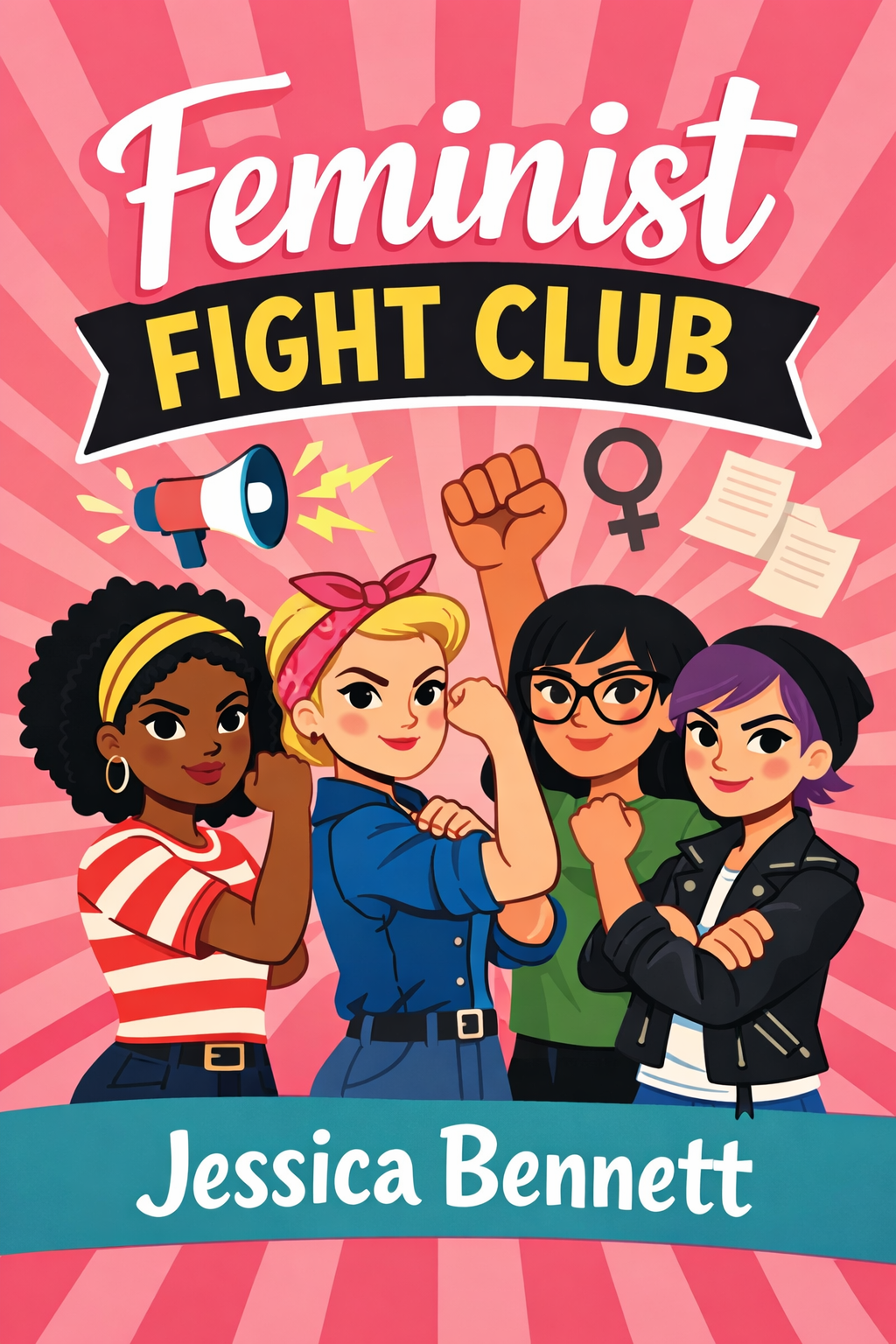
In the end, women face countless gender-based obstacles at work, from subtle sexist comments to self-sabotaging habits. But these barriers can be overcome. The solution lies in being vocal about injustices, developing strong skills in communication and negotiation, and, most importantly, supporting other women. The best way to do this is to form your own “feminist fight club.” This is not a real club, but a network of trusted women in your industry. You can meet regularly to exchange stories, share salary information, and give each other advice and support. By building this network, you can wage a united war against sexism in the workplace and beyond.