Description
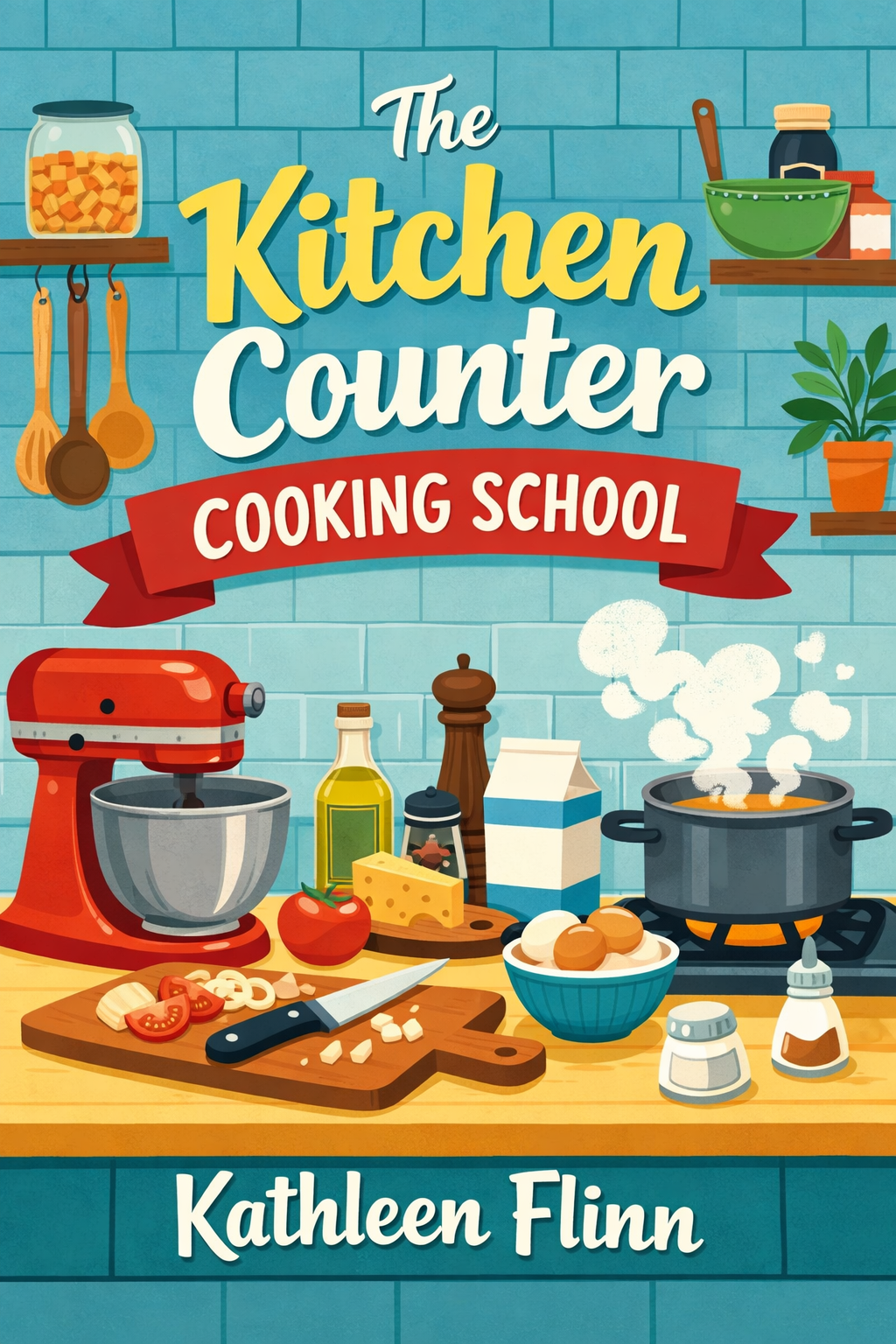
Many people today find themselves in a strange situation: they love watching cooking shows but live on takeout and heavily processed meals. We have kitchens full of gadgets but buy pre-made food that is more expensive, less healthy, and often doesn’t even taste very good. The reason, according to chef and author Kathleen Flinn, is a deep lack of confidence. We have outsourced the basic skill of cooking to large corporations, and in doing so, we have lost control over what we put into our bodies. Flinn decided to change that by starting a small school to teach the absolute basics to a group of self-described “poor cooks.”
The first lesson began with the most essential kitchen tool: the knife. Flinn observed that many of her students were using dull, wrong-sized knives or holding them in a way that made chopping food a frustrating and dangerous chore. She taught them that a good cook only needs three quality knives: a chef’s knife, a paring knife, and a bread knife. The most important qualities are hard steel and, most importantly, a grip that feels good in your hand. She showed them how to properly hold the knife with a “pinch grip” at the base of the blade and use a simple rocking motion. This one skill made them faster, safer, and immediately more confident.
The next major hurdle was flavor. The students’ homemade food often tasted bland, which is why the intense salt, sugar, and fat in processed food was so appealing. They were terrified of recipes that said “season to taste” because they didn’t trust their own palates. To rebuild this trust, Flinn held blind tasting sessions with simple items like salt, canned tomatoes, and olive oil. The students were amazed to discover the wide range of flavors. They learned how to build their own “flavor splashes” by understanding which ingredients work well together, such as lemon, butter, and herbs, or soy sauce, ginger, and lime. They learned that taste is personal and that they were allowed to trust their own instincts.
Vegetables were another challenge. For many, vegetables were a gray, mushy, and joyless obligation. This was simply because they had never been taught how to cook them properly. Flinn introduced a few key techniques that transformed these ingredients. They learned to sauté, cooking quickly in a hot pan to caramelize the vegetables and bring out their natural sweetness. They learned to steam to keep vegetables bright and crisp, and to blanch (a quick dip in boiling water followed by an ice bath) to get the perfect texture for green beans or asparagus. They also mastered roasting, which uses the high, dry heat of an oven to intensify flavors.
To help her students feel more connected to their food, Flinn dedicated an entire class to working with a whole chicken. Many people are used to buying meat only as pre-cut, plastic-wrapped parts. She showed them how a whole chicken is not only cheaper but can also provide enough food for three different meals. They learned the simple formula for a perfect roast chicken—using a fat, an acid, and seasonings—and the trick of rubbing the flavor mixture under the skin. She also taught them to use the leftover bones to make a rich, healthy homemade stock, using every part of the animal.
The group also tackled the modern problem of food waste. Many people’s refrigerators are full of wilted lettuce and forgotten leftovers. This waste is bad for the environment and very expensive. Flinn taught them to see leftovers as ingredients for new meals. They learned to make “desperation pizzas” on tortilla bases and to turn any sad-looking vegetable into a delicious, hearty soup. The most important lesson, however, was to change their shopping habits: plan meals and buy less fresh produce more often, so it gets used instead of thrown away.
Many students believed making bread was far too complicated for a home cook. Flinn showed them the labels on store-bought bread, which often contain more than twenty ingredients, including high-fructose corn syrup and chemical additives. Real bread, she explained, needs only four: flour, water, salt, and yeast. She taught them a simple, no-knead recipe that only required mixing the ingredients and letting time do the work. The feeling of pulling their own warm, crusty loaf from the oven was a massive confidence boost.
The biggest excuse for not cooking is a lack of time. Flinn busted this myth by teaching them “fast food” that could be made at home in less time than it takes to pick up takeout. They learned to make a creamy pasta Alfredo sauce in just a few minutes. They made a fresh tomato sauce in the time it took to boil the pasta. They mastered quick omelets and learned to cook fish perfectly by wrapping it in a foil parcel with herbs and lemon. They discovered that cooking, with some good music on, could actually be a relaxing way to end the day.
By the end of the course, the participants were transformed. The woman who lived on energy drinks was cooking full meals from scratch. They were all saving money, eating healthier, and feeling proud of what they could do. The most important change was in their mindset. They were no longer afraid to make mistakes and had gained the confidence to experiment. The school proved that anyone can learn to cook. It is not a secret art, but a set of simple skills that, once learned, can change your life.