Description
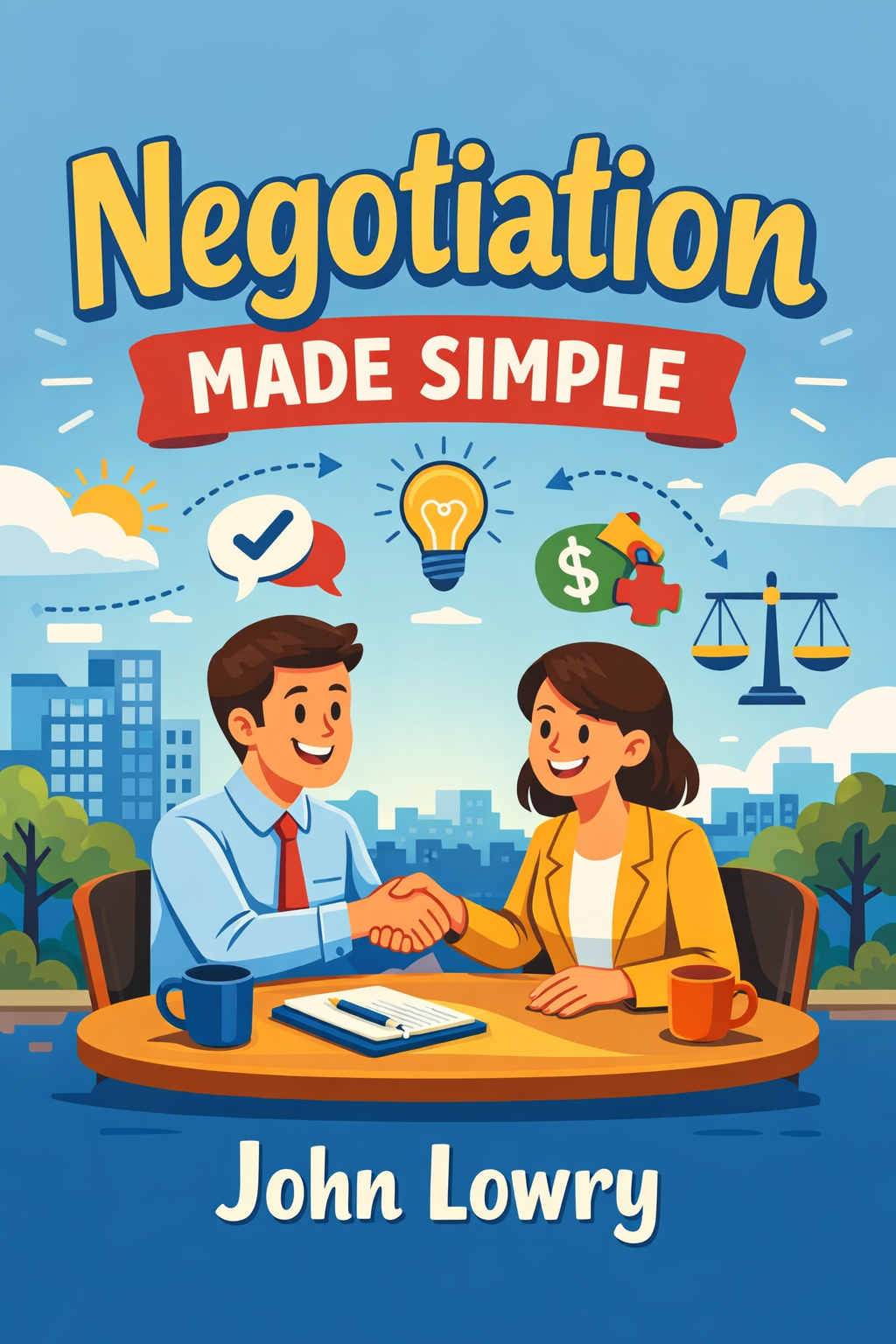
Negotiation is not just a high-stakes game for business leaders or diplomats. It is a fundamental skill that every single one of us uses every single day. We negotiate when we decide with a partner who will take out the trash, when we discuss a project deadline with a manager, and even when we choose a movie with friends. Because negotiation is so present in our lives, learning to do it well can radically improve our careers, our relationships, and our daily confidence. The best news is that negotiation is not a rare talent someone is born with. It is a set of skills that anyone can learn, practice, and master, even if you are someone who naturally dislikes conflict. This guide explores five essential skills that form the foundation of becoming a great negotiator.
The first and most important skill has nothing to do with being loud or aggressive. In fact, the most powerful tool a negotiator has is the ability to look inward. Self-awareness is the secret weapon in any discussion. It means having an honest, clear understanding of yourself. You must know your own strengths, your weaknesses, and your emotional triggers. How do you react when you feel pressured? What are you afraid of? For example, a developer named Zari always felt anxious asking for what she deserved. She would take on extra work without fair pay because she was afraid of being disliked, a fear she traced back to her childhood. Once she became aware of this pattern, she could prepare for it and manage her anxiety, allowing her to assert her needs clearly. Her team didn’t dislike her; they respected her new clarity. To build this skill, try keeping a journal after important conversations. Write down what happened, how you felt, and what you might do differently. You can also ask trusted friends or colleagues for honest feedback. Understanding yourself is the first step to understanding any negotiation.
Many people mistakenly believe that negotiation is a battle where one person must win and the other must lose. Great negotiators, however, understand that the best approach is often a flexible dance between two styles: competition and collaboration. The key is knowing which style to use and when. Think about the situation. Is this a one-time purchase, like buying a car from a stranger? A more competitive approach might make sense. But is this a discussion with a coworker you will see every day for years? A collaborative approach is essential for that long-term relationship. A small business owner named Amira faced a new competitor. Her first instinct was to compete by slashing her prices. Instead, she chose to collaborate. She reached out to the new owner, and they found ways to specialize in different products and refer customers to each other. Both businesses ended up succeeding. To shift a negotiation from competition to collaboration, stop focusing on fixed positions (what you say you want) and start focusing on underlying interests (why you want it). You will often find you share common goals.
In any negotiation, the opening moments are critical. The first move can set the tone and create an anchor for the entire rest of the conversation. Mastering this first move is a vital skill. It is important to know that the “first move” does not always mean “making the first offer.” Sometimes, the best move is to listen first, letting the other person set their position. This gives you valuable information. Other times, making the first offer is a smart strategy, as it allows you to frame the discussion. A freelance writer named Kai used to wait for clients to name their price, and he was always underpaid. He started researching fair market rates and making the first offer himself, anchoring the negotiation at a higher, more realistic value. When you do make the first move, whether it’s an offer or just the opening statement, be confident but realistic. Back up your position with clear reasons. Your opening should also invite cooperation, not create a fight. Use respectful language and open body language to show you are ready to find a solution together.
When you are stuck in a difficult negotiation, it can feel like trying to untangle a massive knot. Pulling on one side only makes it tighter. To solve the puzzle, you must look at it from all angles. This requires two powerful skills: empathy and creativity. Empathy is the ability to genuinely step into the other person’s shoes. It goes beyond just hearing their words; it means understanding their feelings, their motivations, and the pressures they might be under. Practice active listening. Pay full attention, watch their body language, and ask open-ended questions to understand their perspective. Once you use empathy to understand the true problem, you can use creativity to solve it. A business owner named Ravi was negotiating with a supplier who could not meet his price. Instead of walking away, Ravi got curious. He learned the supplier was having cash flow problems. They created a new deal: Ravi would pay part of the cost upfront in exchange for a larger discount. This creative solution solved both of their problems. Don’t get stuck on one solution. Brainstorm multiple options and look for shared interests.
Finally, the most successful negotiators know that a true victory is not about crushing the other side. The real goal is to find a “win-win” solution, where everyone involved walks away feeling satisfied. This is the art of keeping everyone happy, and it’s what builds strong, long-lasting relationships. Instead of thinking of the negotiation as a fixed pie that you must get the biggest slice of, think of it as baking a new, bigger cake together. You are trying to create more value for everyone. A property manager named Keisha faced a tenant who wanted to break their lease. Instead of just saying no, Keisha asked why. The tenant needed to move to care for a sick family member. They worked out a win-win solution: the tenant could leave early, but in exchange, they would help find a new, qualified tenant to take their place. Always look for ways to add value. Maybe you can’t meet their price, but can you offer faster delivery, better terms, or future opportunities? This turns a simple transaction into a successful partnership.
Mastering these five skills—self-awareness, balancing collaboration and competition, making a strong first move, using empathy and creativity, and always aiming for a win-win outcome—can fundamentally change your interactions. Negotiation is not about winning at all costs. It is about understanding others, solving problems, and creating mutual value. By practicing these skills, you can turn conflicts into opportunities and build stronger, more positive relationships in every part of your life.