Description
We all face moments of paralyzing indecision. An adult makes thousands of choices every single day, and while most are small, the big ones can fill us with fear and doubt. When we stand at a crossroads—like changing careers, moving to a new city, or starting a family—we tend to obsess over the future. We try to predict every possible outcome, desperate to make the “perfect” choice and avoid regret. This pressure to control the future is exhausting, and it often leaves us feeling more anxious and stuck than when we started.
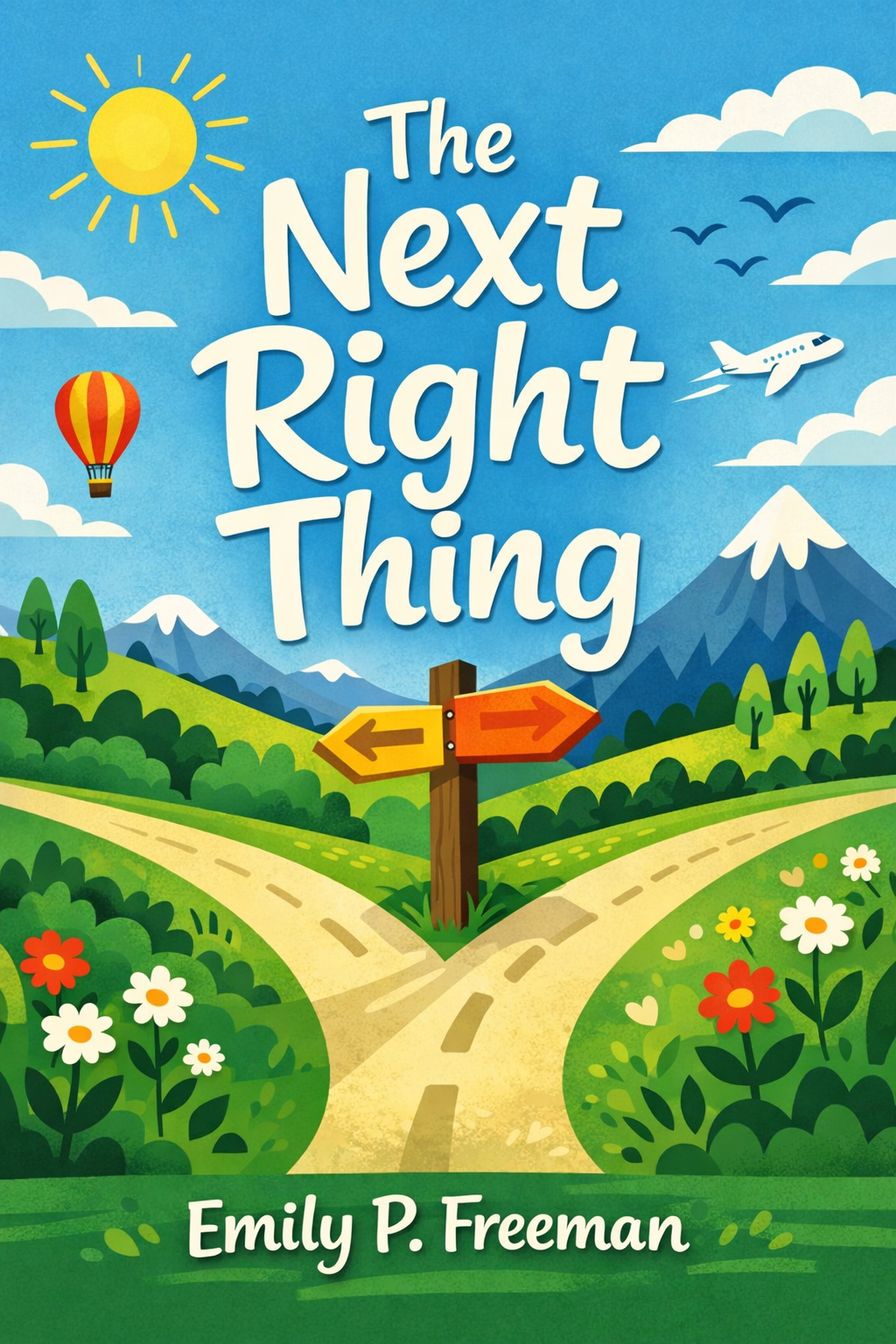
There is a simpler, more peaceful way to move forward. Instead of trying to map out the entire journey, you only need to focus on one thing: the next right thing. This approach shifts your focus from the overwhelming, unknown future to the small, manageable present. It is a practice of living life one step at a time. When the author, Emily Freeman, felt a pull to go to graduate school, she was plagued by “what ifs” about the impact on her family and career. She didn’t have a clear answer for the future, but she realized that enrolling was her next right thing for her own spiritual growth. That was all she needed to know to take the step.
Finding your next right thing requires creating space to listen. We live in a world filled with constant noise and digital distractions. Our phones buzz with notifications, and our minds are pulled in a dozen directions at once. To hear your own inner voice, you must become a “soul minimalist.” This means intentionally carving out moments of silence. It can be as simple as disabling phone alerts or taking a quiet walk. This silence allows you to be present and gives you the space to reflect on what truly matters, rather than reacting to the demands of others.
When you create that quiet space, you can begin to understand your own emotions. Often, our indecision is fueled by powerful feelings like fear, grief, or envy. A helpful practice is to “name the narrative.” When you feel overwhelmed, try to identify the specific emotion you are experiencing. The author felt this paralysis in a simple garden center, overwhelmed by choices. By recognizing her feeling as “fear”—the fear of making a wrong choice—she was able to regain perspective. She realized this small decision was not final. Naming your emotions helps to shrink them, reminding you that they are just one part of your story, not the entire plot.
This journey also requires being honest about your own desires. Sometimes, negative emotions like anger or frustration are simply signposts pointing to desires that you haven’t acknowledged. You can explore this by creating a “life energy list.” Look back at the last few months and ask yourself: What activities gave me energy? What activities left me feeling depleted? This simple exercise helps you identify what you truly value. Knowing what you want is the first step toward making choices that are aligned with your true self.
Once you are clearer on your desires, you must check your motivation. Every big decision is driven by one of two forces. Ask yourself this crucial question: Am I being led by love or pushed by fear? The author faced this test when she was invited on a trip to the Philippines. She had many valid excuses to decline, but she realized her true hesitation was based on fear—fear of flying and getting sick. She understood that making a choice based on fear would close her off. Choosing to go, however, would be an action led by love and service. This single question can cut through the confusion and reveal the heart of the choice in front of you.
You do not have to make these choices alone. However, there is a right and a wrong way to seek help. The wrong way is to “collect gurus.” We often scramble to find experts, coaches, and personality quizzes to tell us what to do. This only adds to the noise and confusion, burying our own intuition under a pile of conflicting advice. A better way is to “gather co-listeners.” These are a few trusted people—friends, family, or mentors—who will not give you answers. Instead, they will simply listen to your story, ask good questions, and support you as you find your own way. They act as a sounding board, helping you hear your own voice more clearly.
As you begin to make choices, you will also need to know how to handle criticism. It is essential to learn the difference between “critics” and “believers.” Critics are those who offer negative opinions, often from a place of indifference or their own insecurity. You must learn to let their words go. Believers, on the other hand, are people who have your best interests at heart. They may offer constructive criticism, but it comes from a place of support and a desire to see you grow. Holding on to the positive, life-giving words from your believers helps you “come home to yourself” and stay true to your path.
Finally, you must let go of the need for absolute clarity. We often wait for a 100% certain, clear vision before we are willing to move. We pray for a map, but life and faith often provide “arrows” instead—small clues and nudges that point the way forward, one step at a time. The author’s husband learned this when he was grieving and facing a career change. He had to be patient, be honest about his confusion, and wait for the arrows to appear. They eventually did, leading him to a new and fulfilling role.
If you wait for perfect clarity, you may stay stuck forever. The truth is that life is complex, and many of our biggest questions are resolved not by clarity, but by surprise. When you stop trying to control every outcome and instead stay open and hopeful, you allow life to unfold in unexpected and beautiful ways. This is the ultimate reward of this lifestyle. You find peace not just in the final decision, but in the simple, faithful journey of doing the next right thing.