Description
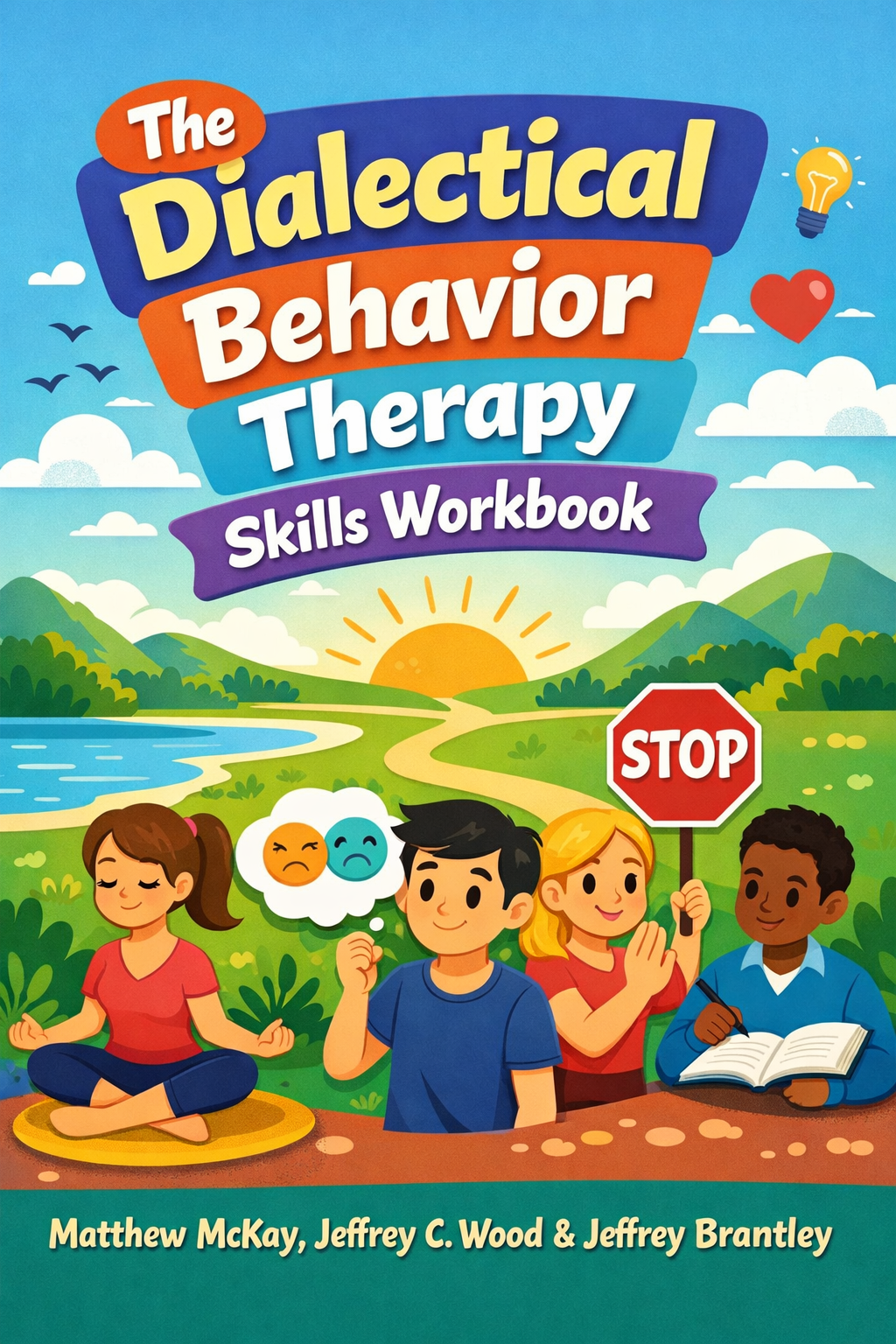
Life often presents us with powerful, overwhelming emotions. When feelings like anger, sadness, or anxiety become too intense, it can be difficult to know how to cope. We might react in ways that hurt ourselves or the people we care about. The Dialectical Behavior Therapy Skills Workbook offers a clear and practical guide to help anyone learn how to manage these emotional storms. It provides a set of tools based on four central skills: distress tolerance, mindfulness, emotion regulation, and interpersonal effectiveness. By learning how these four areas work together, you can build resilience, strengthen your relationships, and gain control over your emotional well-being.
The first step is learning how to handle immediate pain. Life will always involve stressful situations and emotional pain; this is unavoidable. Distress tolerance is the skill of getting through these moments without making the situation worse. Many people, when faced with an emotional crisis, turn to unhealthy coping mechanisms. They might lash out in anger, use drugs or alcohol, or engage in self-harm. These actions may provide temporary relief but almost always cause more long-term damage to one’s life and relationships. This workbook teaches healthy alternatives. The goal is not to make the pain disappear, but to help you tolerate it. Two key techniques are distraction and self-soothing. Distraction is a way to consciously create space between yourself and the distressing feeling. This isn’t about avoiding the problem forever. It’s a strategic pause. For example, instead of screaming during an argument, you might decide to go wash the dishes or go for a run. This productive distraction gives your intense emotions time to cool down, allowing you to return to the issue later with a clearer mind. Self-soothing is the act of comforting yourself in a gentle, grounding way. This technique involves using your five senses to relax your body and mind. You might light a favorite scented candle, listen to calming music, take a warm bath, or look through an old photo album. These simple actions can be powerful. They teach you that you can survive the emotional storm without resorting to destructive behaviors.
The second essential skill is mindfulness. This is the foundation upon which the other skills are built. Mindfulness is the practice of being aware of your feelings, thoughts, and surroundings in the present moment, all without judgment. Many of us live trapped in our own heads, caught in a cycle of negative self-talk. We might believe “everyone dislikes me” or “I’m not good enough.” These thoughts often create a self-fulfilling prophecy. We misinterpret situations, fail to see positive cues from others, and ultimately push people away, confirming our original negative belief. Mindfulness breaks this cycle. It has three parts: awareness, focusing on the present, and non-judgment. You learn to simply notice what is happening. The most important part is non-judgment, which is often called “radical acceptance.” This means seeing a feeling or situation for exactly what it is, without adding extra labels. For example, instead of thinking, “I’m such a baby for getting my feelings hurt,” you practice thinking, “My feelings are hurt right now.” This simple shift is incredibly courageous. It requires honesty and vulnerability. The book suggests exercises to practice this, such as naming an emotion you are feeling, describing it, and noticing the thoughts that come with it. The goal is to observe these thoughts and feelings, and then simply let them go without judging yourself for having them.
Once you can tolerate distress and mindfully observe your feelings, you can learn to regulate them. Emotions often spiral. A single primary emotion, like anxiety about a work presentation, can trigger a cascade of secondary emotions. You might feel depressed because you are anxious, then feel guilty for being depressed, and then get angry at yourself for feeling guilty. When emotions get this tangled, it’s easy to feel overwhelmed and turn back to those harmful behaviors. However, emotions are not the enemy. They are a vital part of our survival. They alert us to danger, motivate us, and tell us when we need to rest. Emotion regulation is the skill of managing your emotions so they can guide you instead of controlling you. The workbook teaches you to first identify your triggers and the harmful behaviors they lead to. Then, it offers techniques like visualization to help you regain control. You can practice by finding a quiet place and imagining a peaceful scene. As your thoughts and feelings rise to the surface—a feeling of guilt, a thought of unworthiness—you simply name them, acknowledge them without judgment, and then imagine them floating away. This practice helps you untangle the emotional knot and reduces the intensity of your feelings.
The final skill, interpersonal effectiveness, applies these emotional skills to your relationships. Humans are social, and our connections with others are critical to our happiness. People often struggle in relationships by falling into one of two patterns: passive or aggressive. The passive person avoids conflict at all costs. They go along with whatever others want to seem pleasant and easygoing. The problem is, they may be hiding their true feelings, leading to resentment and superficial relationships where their own needs are never met. The aggressive person is the opposite; they push, bully, and demand to get their way, often damaging their relationships in the process. The healthy alternative is to be assertive. An assertive person knows how to ask for what they need, how to say “no” respectfully, and how to navigate conflict without destroying the relationship. This requires mindfulness—paying attention to the other person’s feelings—while also honoring your own boundaries. To build this skill, the book suggests you identify your current style. It also asks you to examine your “should” statements—the hidden rules you have for relationships, like “It’s rude to say no” or “I must always avoid arguments.” A long list of these rules often means you are putting everyone else’s needs before your own. A final exercise involves practicing how to state what you want. You learn to acknowledge that you have a right to your needs and to ask for them, letting go of the guilt or shame that might come with it.
Learning to manage emotions is one of the most difficult, yet rewarding, challenges in life. The Dialectical Behavior Therapy Skills Workbook provides a clear path forward. By mastering the four skills of distress tolerance, mindfulness, emotion regulation, and interpersonal effectiveness, you can break free from self-destructive patterns. The central lesson is to practice radical acceptance and remove judgment from your inner world. When you do this, your emotions stop being your enemy and instead become a valuable source of guidance, helping you make thoughtful decisions and build a more stable, fulfilling life.