Description
In the spring of 1775, the air in Philadelphia crackled with tension and revolutionary ideas. The thirteen American colonies were on the brink of a monumental decision. Delegates from across the land gathered for the Second Continental Congress, a meeting that was in itself an act of defiance against their ruler, Great Britain. The relationship had soured over years of bitter disputes about taxes and trade. The British Crown, under King George III, had responded to colonial protests not with negotiation, but with military force. Just a month earlier, the skirmishes at Lexington and Concord had resulted in bloodshed, pushing the colonies closer to the edge. The question before the delegates was no longer if they should prepare for conflict, but how. A radical new idea, the right of a people to govern themselves, was taking hold, and the time for debate was rapidly turning into a time for action.
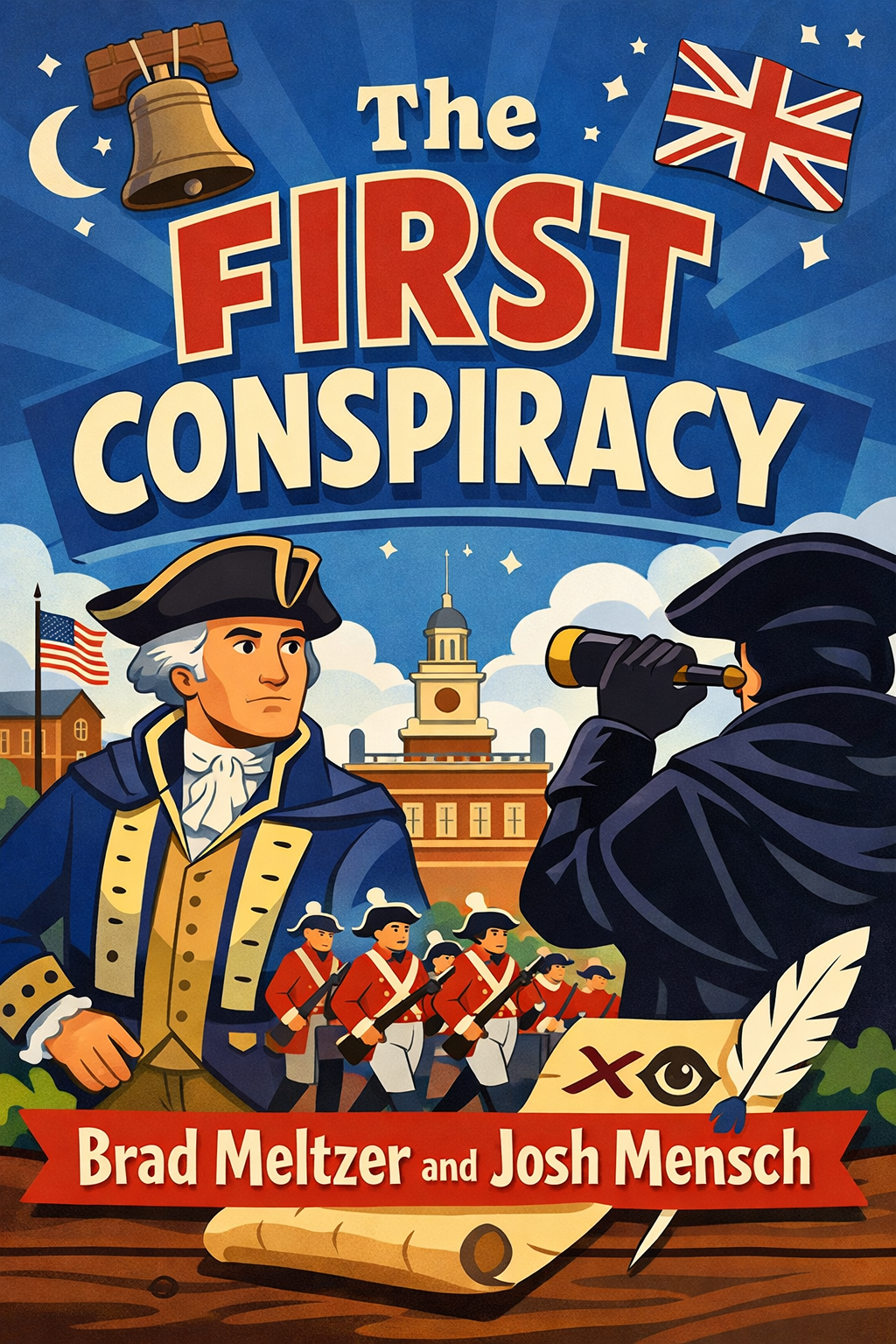
Amidst this charged atmosphere, the Congress agreed on a crucial first step: the formation of a national American army, a unified force to stand against the might of the British Empire. This Continental Army would need a commander, a leader capable of uniting disparate militias and inspiring a fledgling nation. The man they chose was a tall, imposing delegate from Virginia named George Washington. At forty-three, Washington was a veteran of the French and Indian War, possessing the vital combat experience the role required. Unlike many of his peers who favored flowery language, Washington was a man of few words, known for his directness, his ability to listen, and the powerful gravitas he projected. He was a man of action, not just words, and his quiet modesty and dignity won him the unanimous respect of the other delegates. Ten days later, General Washington set out for Boston, ready to lead his new army.
As Washington traveled north, his journey took him through New York, the second-largest city in the colonies. There, he came into the orbit of a dangerous adversary: the city’s governor, William Tryon. A fierce and ruthless loyalist to the British Crown, Tryon had a history of crushing dissent with brutal force. During his time as governor of North Carolina, he had infamously used public tax money to build himself a lavish mansion, mockingly called “Tryon’s Palace.” When local farmers, known as the Regulators, protested the crippling taxes, Tryon responded by opening fire on them, capturing their leaders, and sentencing them to a gruesome public execution. This was the man who now saw George Washington and his growing army as the ultimate threat to British authority. A collision between these two powerful figures was inevitable.
The war for independence was not a conventional conflict with clearly drawn battle lines. Allegiances were fluid and treacherous. A person’s loyalty could not be determined by their accent or birthplace; it was a matter of personal declaration, and these declarations could change with the wind. Some of Washington’s own top generals were born in Britain and had once served in the English military. Conversely, many colonists remained loyal to the Crown for business or family reasons. This created a pervasive atmosphere of suspicion and paranoia. For Washington, the enemy was not just the uniformed British soldiers across the battlefield but also the hidden traitors within his own camps, and even within his inner circle.
In March of 1776, after Washington’s army successfully drove the British from Boston, the focus of the war shifted to New York. Governor Tryon, knowing British reinforcements were weeks away, devised a dark and underhanded scheme to cripple the independence movement in one swift blow: he plotted to assassinate George Washington. His plan was twofold. First, he would eliminate the Continental Army’s leader. Second, he would use a network of spies and a large sum of money to bribe as many of Washington’s soldiers as possible. These turncoats would pretend to be patriots until the British fleet arrived, at which point they would turn their guns on their comrades. Operating from the safety of a ship in the harbor, Tryon used a local gunsmith to funnel money to his agents and successfully persuaded over a hundred soldiers to switch sides. Most disturbingly, at least five of these bribed men belonged to the Life Guards, the elite unit assigned to protect General Washington’s life.
The conspiracy was well-funded and had insiders in the perfect position to strike. It should have succeeded. Its failure came down to pure chance and loose talk in a dirty city jail. On June 15, 1776, a man imprisoned for counterfeiting, Isaac Ketcham, found himself sharing a cell with two new inmates. They were Continental soldiers, also arrested for counterfeiting, but they had a much bigger secret. To Ketcham’s astonishment, they boasted of their involvement in Governor Tryon’s plot to kill the general. They weren’t just any soldiers; they were members of Washington’s personal guard. Seeing an opportunity to save himself, Ketcham immediately wrote to the revolutionary authorities, begging to share his vital information.
The revelation sent shockwaves through the patriot leadership. The two guards were interrogated, and the conspiracy began to unravel. Though many were implicated, only one of the guards, an Irishman named Thomas Hickey, was ultimately tried and convicted. His sentence was historic. For the first time, a court declared that treason was a crime against America itself, not just against Britain. On June 28, in front of a crowd of 20,000 people, Thomas Hickey was hanged. The execution was a powerful and public warning: betrayal of the new nation and its leader would be met with the ultimate price. The first major conspiracy against the United States had failed, and George Washington was safe, but the event served as a stark reminder of the fragile nature of the revolution and the hidden dangers that threatened it at every turn.