Description
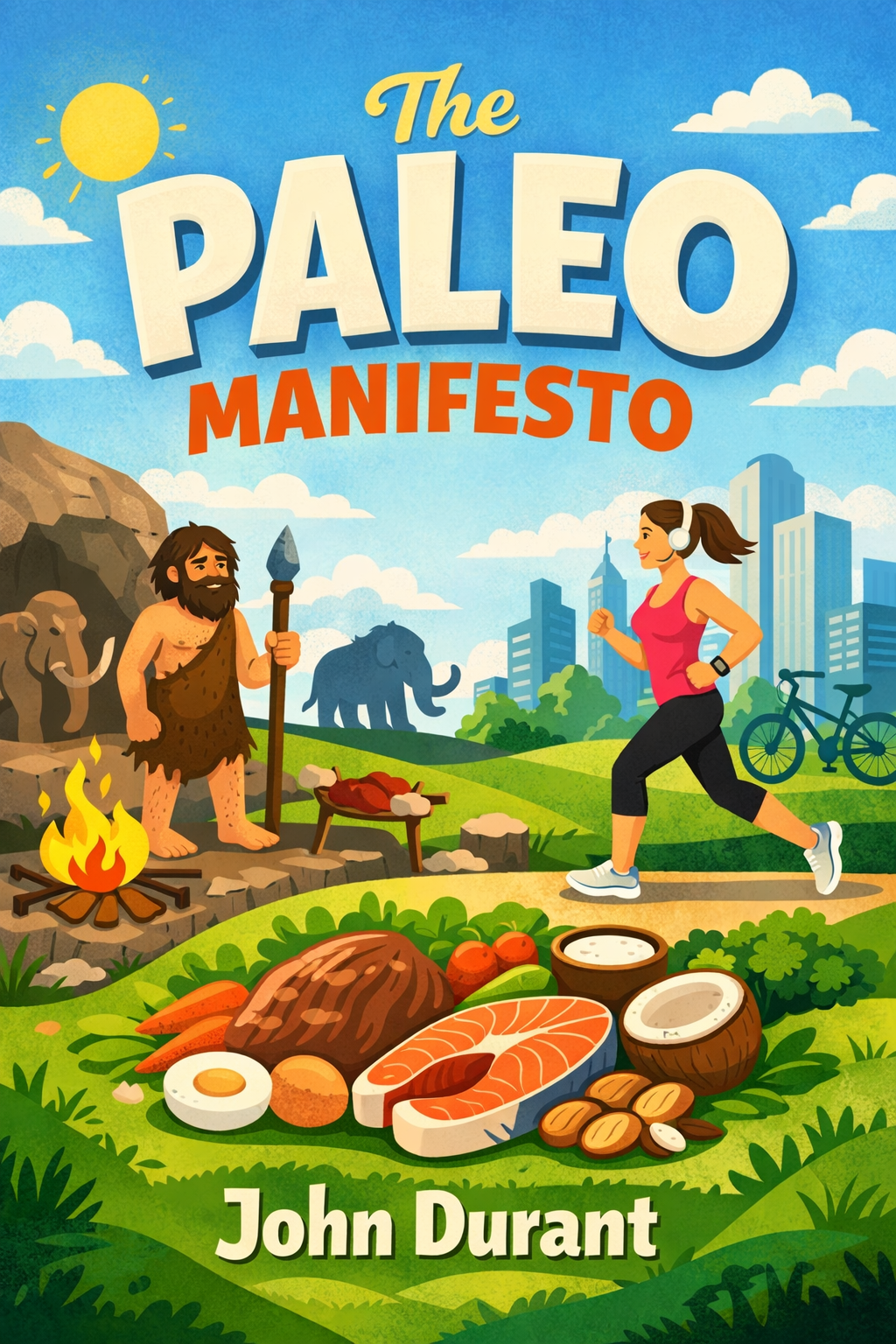
This book argues that many modern problems come from living in ways our bodies did not evolve to handle. We work long hours indoors, sit for most of the day, eat factory-made food, and sleep and move poorly. Our biology still expects a lifestyle closer to hunting and gathering. When we bring our habits closer to that pattern—through food, movement, light, and temperature—we often feel and function better.
The author shares a before-and-after contrast. In a busy city job, he ate takeout, guzzled caffeine, and skipped exercise. Energy crashed, stress spiked, and health stalled. Compare that with ancient people who spent their days walking, lifting, crouching, carrying, preparing food, and sleeping with the sun’s rhythm. Their environment shaped bodies that were lean, strong, and resilient. When captivity or modern life pulls us off that track, health markers usually slide.
A striking example comes from zoo gorillas. They were fed “healthy” biscuits designed by guidelines, yet they got sick and acted strangely. When keepers replaced biscuits with a natural plant diet, the gorillas’ weight, blood markers, and behavior improved. The lesson is simple: animals, including humans, do best on the foods they evolved to eat. When we drift far from that, problems multiply.
Archaeology tells a similar story for humans. Very old hunter-gatherer skeletons often show tall frames and straight, cavity-free teeth. After farming began, average height fell and dental decay rose. The reason is the big dietary shift toward grains and other starches. The Industrial Age pushed us even further: crowded cities, little sun, cheap sugar, refined flour, and long hours indoors. That cocktail brought rickets, dental trouble, infections, and chronic disease. The solution is not time travel; it is selective borrowing—keep modern comforts, but eat and live in ways that match our design.
What does that look like on a plate? Think simple: meat, fish, eggs, and a rainbow of plants. Make animals and fish a major source of calories; make vegetables and tubers the bulk of the volume. Include leafy greens, roots, and seasonal produce. When possible, honor the whole animal—bones, skin, and organs—because that is where many micronutrients live. Classic “grandma foods” like liver, sardines, eggs, and bone broth are nutrient powerhouses that modern eaters often ignore.
Preparation matters too. Gentle cooking keeps nutrients intact. Traditional fats like butter, olive oil, coconut oil, and animal fats beat industrial seed oils made with high heat and solvents. Fermented foods—yogurt, kefir, sauerkraut, kimchi—support the gut community that helps digest food and regulate the immune system. You do not need exotic powders or expensive bars; you need real ingredients and a bit of kitchen curiosity.
Avoiding certain foods is as important as adding the right ones. The problem is not “processing” in the simple sense—cooking and fermenting are forms of processing and can be helpful. The real issue is industrial methods and lab-made additives you could not reproduce at home: refined sugar, corn syrup, artificial flavors and colors, chemical thickeners, and many vegetable oils. Another caution is cereal grains like wheat, corn, and rice. These seeds carry proteins and plant defenses that can irritate the gut for many people. If you choose dairy, focus on full-fat, fermented, or minimally processed options instead of skimmed, sweetened, or fake “light” products.
Personal fit is key. Some people tolerate certain foods better than others. Try changes for a few weeks, track how you feel and function, and keep what helps. The goal is not purity; it is a sustainable rhythm you can live with. Special meals and holidays matter for joy and connection. Enjoy them—then return to your base pattern the next day.
The book also pushes back on common diet myths. “A calorie is a calorie” sounds tidy but hides biology. Food quality affects hormones, hunger, blood sugar, and energy use. A hundred calories from avocado does not act the same as a hundred calories from soda. Do not fear natural fats. Many cultures thrive on diets rich in butter, cheese, or coconut without soaring heart disease. Likewise, meat is not the villain many assume. Humans have eaten meat for millions of years; it provides complete protein, iron, zinc, and vitamin B12—nutrients that are hard to get in ideal amounts from plants alone.
This is not an attack on people who choose vegetarian diets for ethical or personal reasons. Many vegetarians are very health conscious and avoid junk food, which helps. The point is scientific, not ideological: meat and animal foods can be healthy in the right context, and fat is not automatically dangerous. What truly undermines health is the modern combo of refined grains, sugar, seed oils, and constant snacking.
Food is only half the story. Environment and movement matter. Our bodies evolved to handle temperature swings. Heat exposure, like a sauna or hot bath, can relax muscles, lower stress, and reduce some inflammation. Cold exposure, like a brisk outdoor walk, a cool shower, or a swim, can boost alertness and encourage the body to burn stored energy to stay warm. You do not need to live in extremes. A few short sessions each week can make a noticeable difference.
The book uses the famous swimmer Michael Phelps as an illustration. He ate a huge amount while training, and cold water likely raised his energy needs because the body had to maintain temperature. Most of us are not training like Olympians, but we can still use gentle temperature stress to nudge metabolism and resilience. Start small: end your shower with 30 seconds of cool water, or try a warm soak after a hard day. Listen to your body and progress slowly.
Movement should also match our design. Hunter-gatherers walked miles daily, squatted often, lifted awkward things, climbed, and played. Modern life traps us in chairs. Long sitting slows metabolism, weakens postural muscles, and can disturb blood sugar. A standing desk for part of the day, short walking breaks each hour, and simple bodyweight movements (push, pull, hinge, squat, carry) can undo much of the damage. You do not need a perfect gym plan. You need frequent, varied movement across your day.
Light and nature play a role too. Daylight anchors our internal clock. A short mid-day walk gives sun for vitamin D, fresh air for mood, and a reset for focus. Even ten minutes helps. In the evening, dim lights and reduce screens to support sleep. Good sleep is the quiet engine of recovery: it stabilizes appetite, sharpens memory, and repairs tissues. Food, movement, light, temperature, and sleep are one system; adjust them together for best results.
Putting this into practice can be simple. Build your meals around animal protein and vegetables. Add healthy fats to taste. Keep starches to whole-food tubers or fruit that you tolerate well. Drink water, coffee, or tea without piles of sugar. Batch-cook on weekends. Learn one new nutrient-dense recipe each month. Keep fermented foods in the fridge. Replace snacks with real meals. When you shop, stay mostly on the perimeter of the store where fresh food lives.
For lifestyle, stand up every hour. Walk outside at lunch. Do a short strength session three times per week—pushups, rows, squats, deadlifts or hinges, carries. Sprinkle in a little sprinting or hill work occasionally. Try heat once or twice a week and brief cold finishes after showers. Go to bed a bit earlier. Spend time with people you enjoy. None of this requires perfection. It requires consistency and kindness to your future self.
In the end, the message is hopeful. Our bodies are not broken; our environment is mismatched. When we realign food and daily habits with how we are built, the results often come faster than expected: steadier energy, clearer skin, calmer mood, better sleep, looser clothes, stronger teeth and gums, and a feeling that your body is on your side again. Eat real food. Move often. Get light. Use heat and cold wisely. Rest deeply. Live simply and fully. That is the manifesto.