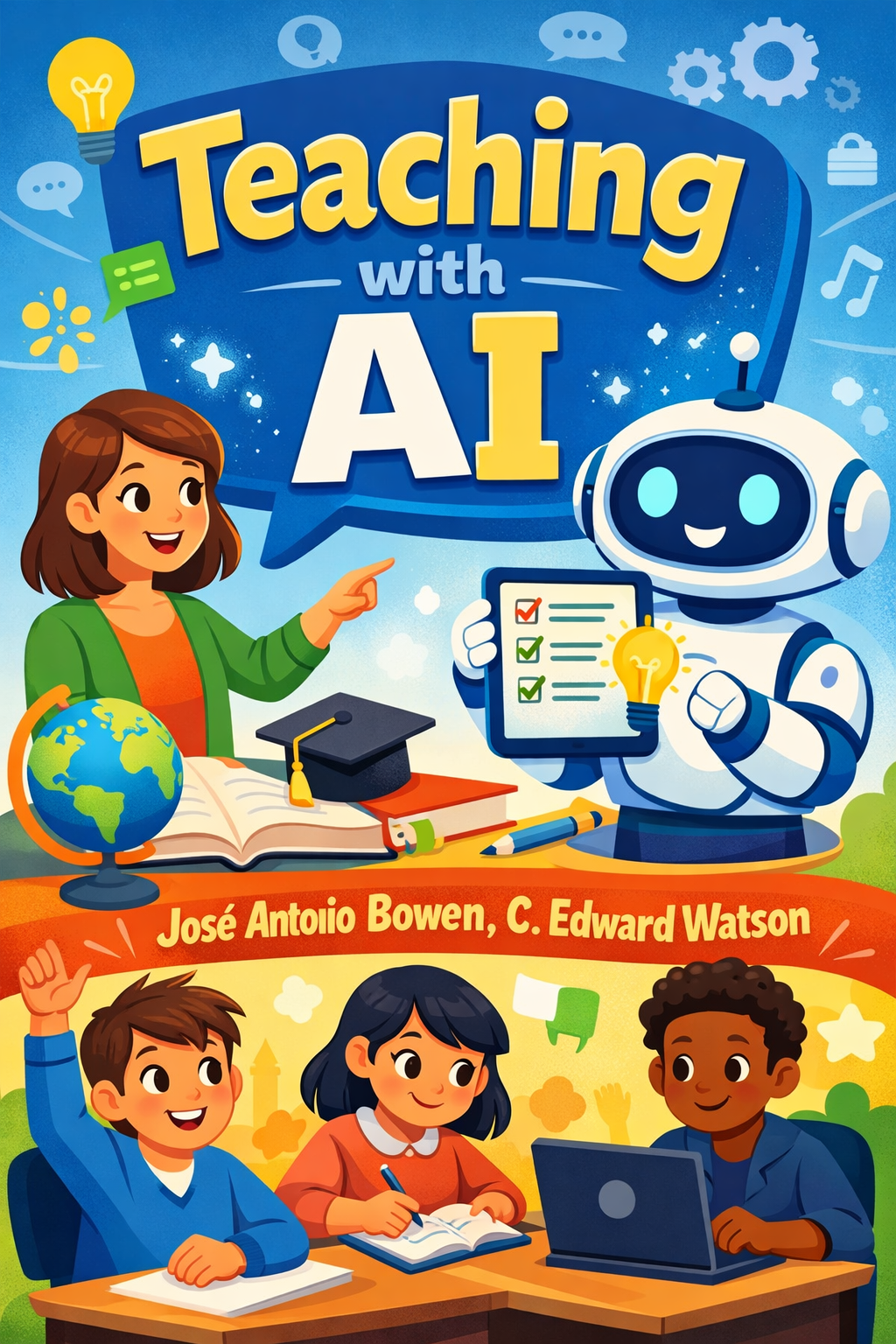
Description
Artificial intelligence is changing education at lightning speed. Many teachers feel like the ground is shifting beneath their feet. Students now have access to tools that can generate essays in seconds, solve math problems instantly, and provide answers that once required hours of study. For teachers who have refined their methods over years of experience, this can feel both intimidating and discouraging. But the truth is, AI does not have to be the enemy of learning. If guided properly, it can become one of the greatest allies education has ever seen.
AI has been part of classrooms for longer than most people realize. Spell checkers, plagiarism detectors, search engines, and translation tools all rely on artificial intelligence. Even predictive text on smartphones is powered by AI. What feels new today are the more advanced systems, like large language models, that can produce entire essays, explain complex topics, or even draft lesson plans. These capabilities are powerful, but they also raise important questions about honesty, creativity, and critical thinking.
The real issue is not whether students will use AI—they already do, and they will continue to do so. The real question is how they will use it. Will they treat it as a shortcut that weakens their learning, or as a partner that strengthens it? Teachers are the ones who can guide that choice.
AI is impressive, but it is far from perfect. It can create fluent paragraphs, but it lacks true understanding of context. It sometimes fabricates facts, misquotes sources, or delivers confident but inaccurate explanations. It cannot replace creativity, empathy, or human judgment. This is where teachers are irreplaceable. By showing students the strengths and weaknesses of AI, teachers help them learn when to trust it, when to challenge it, and how to use it responsibly.
To do this effectively, teachers themselves need to explore AI. Spending even a few minutes experimenting with AI tools provides valuable insight. Try asking a system to explain a concept you teach. Notice what it does well and where it fails. Observe how changing the wording of your request alters the response. This experience builds confidence and equips you to guide your students with clarity.
At the core of AI education are three simple pillars: understanding, evaluation, and integration. First, students need to understand what AI can and cannot do. They should know it excels at recognizing patterns and generating text, but struggles with nuance, originality, and up-to-date facts. Second, they need to evaluate AI’s outputs critically. Just because something sounds polished does not mean it is correct. Students must practice cross-checking, questioning, and comparing AI answers with trusted sources. Finally, they should learn how to integrate AI strategically. Instead of treating it as a replacement for thinking, they can use it for brainstorming, drafting, or practicing skills—while still developing their own reasoning.
Teachers can build these skills with simple classroom activities. For example, students might compare an AI-written explanation of a scientific idea with one from a textbook, noting differences in detail and accuracy. They can practice creating prompts, experimenting with how specific or vague instructions change the quality of answers. Assignments can require students to start with AI but then expand, revise, and fact-check the material on their own. In this way, AI becomes a starting point, not the final product.
Beyond these foundations, teachers can take practical steps to make classrooms more AI-aware. One useful strategy is creating policies together with students. Instead of imposing strict bans, discuss openly when AI use is helpful and when it undermines learning. Students are often more thoughtful about these rules than expected, and involving them builds trust and responsibility.
Another strategy is teaching the art of prompting. Asking AI the right question is just as important as interpreting the answer. A vague request like “write my essay” produces generic results. But a thoughtful prompt such as “suggest three counterarguments to renewable energy adoption I can research and debate” positions AI as a brainstorming partner while keeping the student in control.
Shifting assessment methods also helps. Instead of focusing only on final results, emphasize the learning process. Ask students to explain how they used AI, what they learned from it, and where they improved its answers. This makes their thinking visible and discourages blind copying. Teachers can also embrace AI for administrative support, letting it generate practice problems, sample questions, or draft feedback, which saves time for more meaningful interactions with students.
Prompting, in particular, deserves special focus. The quality of AI responses depends entirely on the quality of the prompt. Teaching students to frame questions with precision, add context, and ask for specific formats not only improves their AI use but also strengthens their overall communication skills. A prompt like “explain photosynthesis to someone with basic chemistry knowledge” will produce a clearer, more targeted answer than simply asking “what is photosynthesis.” Encouraging students to iterate and refine their prompts develops persistence and problem-solving skills.
Of course, AI in education comes with challenges. The temptation for students to submit AI-written work is real. Instead of seeing this only as cheating, teachers can use these moments to discuss originality, intellectual honesty, and the value of personal voice. Comparing an AI draft with a student’s own writing can highlight where machines fall short and where human insight shines.
Traditional testing also feels vulnerable in the AI era. But this can spark innovation. Portfolio assessments, collaborative projects, and oral defenses showcase student understanding in ways AI cannot imitate. Peer review, reflective essays, and process-based grading all focus more on thinking than on copying, making learning both deeper and harder to fake.
AI can also reduce teacher workload. It can create outlines for lessons that teachers refine with their expertise, draft parent communications, or suggest differentiated practice activities for students at different levels. By handling repetitive tasks, AI frees teachers to spend more time on what only humans can provide: mentoring, motivating, and inspiring.
Perhaps most importantly, teachers can invite students into the conversation about AI’s role in education. Students are already experimenting with these tools in ways adults might not expect. By discussing challenges together, classrooms become communities of shared learning, where everyone is developing critical awareness of how to live and work with AI.
Education is not about resisting change but guiding it. AI is here to stay, and its influence will only grow. By reimagining teaching methods, fostering critical thinking, and embracing AI as a partner rather than a rival, teachers can turn disruption into opportunity. Students who learn to use AI responsibly will not only succeed in school but also thrive in a future where these tools will be everywhere.
AI will not replace teachers. Instead, it highlights their importance. Machines can generate words, but only teachers can nurture curiosity, judgment, empathy, and creativity. By blending human wisdom with technological tools, education can enter a new era—one where learning is deeper, more personal, and better prepared for the challenges of tomorrow.